
Every January, something quietly extraordinary happens in a handful of villages in south-west France. The weekly market doesn’t change much on the surface — the same stone square, the same stalls, the same café filling with the smell of coffee and cigarettes. But on certain mornings, buyers and sellers arrive with small wicker baskets covered in cloth, and the entire village holds its breath.
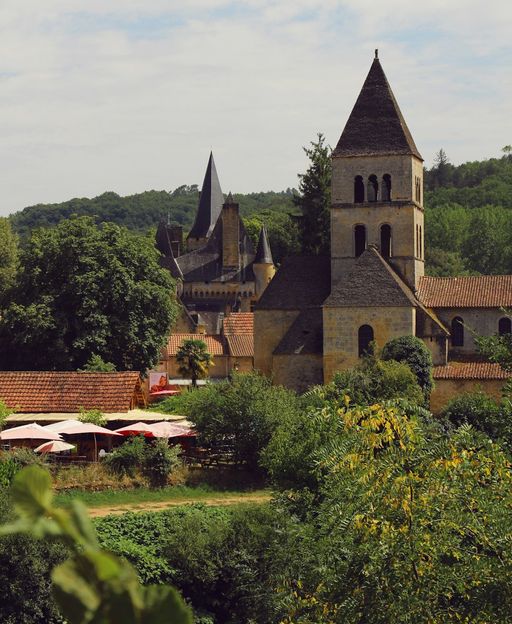
This is the Périgord truffle market. And it runs by rules that nobody has ever written down.
What Is Black Gold?
The black truffle — Tuber melanosporum — is the most prized food in France. Chefs call it the black diamond. Locals call it black gold. It grows underground near oak and hazelnut trees, and nobody can farm it predictably.
A kilogram can fetch anywhere from €600 to €1,500 depending on the season and the quality. In a bad year, prices spike higher still.
The Périgord Noir — the stretch of the Dordogne that runs from Sarlat towards Cahors — is its natural home. The limestone soil, the mild winters, the ancient oak forests: this land has produced truffles since the Romans were here.
Where the Markets Happen
The main truffle markets run from December through March, though peak season is January and February. The most famous is at Sarlat-la-Canéda — a medieval town that already feels like something from another century even without truffles.
Smaller markets run at Périgueux, Bergerac, and several villages you won’t find in most guidebooks. Sainte-Alvère holds a Saturday truffle market every week from December to March that draws buyers from Paris, Lyon, and Bordeaux.
If you’re planning a winter trip to this region, the villages along the Dordogne river are extraordinary in the off-season — quiet, golden, and almost entirely free of crowds.
The Unspoken Rules
Arrive at a truffle market and you’ll notice something immediately: people speak in low voices. Transactions happen quickly. Nobody haggles loudly or makes a show of inspecting the goods.
A seller lays out a cloth on a market table. The truffles go on top. A buyer leans in, picks one up, brings it close to their face, and breathes in. That breath — the assessment of the truffle’s depth of scent — is the entire negotiation.
Regulars know each other. Trust is everything. A seller who passes off a mediocre truffle as a first-grade specimen will not sell here next year. Reputation takes decades to build.
Enjoying this? France lovers get stories like this every week. Subscribe free →
What Happens at the Table
The French relationship with truffles is not about excess. It is about restraint.
A thin shaving over scrambled eggs. A few slices tucked under chicken skin before roasting. A single tablespoon of truffle butter on toast, eaten with a glass of Bergerac red at noon.
The Périgord approach to truffle cooking is old and specific. You don’t cover up the truffle with other strong flavours. You give it space. Butter, eggs, and good bread are the classic companions — and French market day is always the right occasion to eat them properly.
How to Make Brouillade aux Truffes at Home
If you bring home one truffle from a Périgord market, this is the dish to make with it. The secret is patience: a day or two shut in a jar with your eggs, then slow, gentle heat. All you need besides is butter, good bread and someone to share it with.
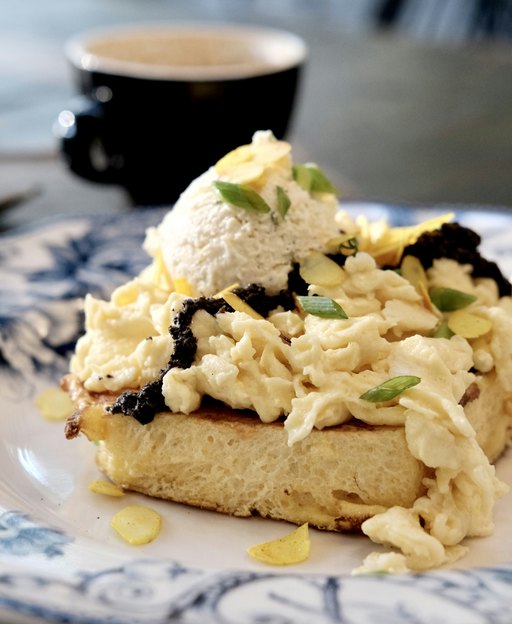
Brouillade aux Truffes (Périgord Truffle Scrambled Eggs)
Ingredients
Equipment
Method
- One or two days ahead, put the truffle and the eggs, still in their shells, in an airtight glass jar or box lined with a sheet of paper towel. Keep it in the fridge. The shells are porous, so the eggs take on the truffle’s scent.
- Brush any soil off the truffle. Chop or grate about two-thirds of it finely. Cut the rest into very thin slices with a truffle slicer, mandoline or vegetable peeler.
- Crack the eggs into a bowl, add a little salt and mix gently with a fork, without beating hard. Stir in the chopped truffle and leave in the fridge for 10 minutes.
- Melt the butter in a heavy saucepan over very low heat, or in a heatproof bowl set over a pan of barely simmering water. Pour in the eggs and stir slowly and constantly with a spatula, scraping the bottom and sides, for 8 to 15 minutes, until thick, creamy and in small soft curds.
- Take the pan off the heat while the eggs are still a little runny. Stir in the cream, if using, which stops the cooking. Season with pepper.
- Serve at once on warm plates, topped with the truffle slices, with toasted bread alongside.
Notes
How to Visit a Truffle Market
You do not need to be a buyer to attend. Most markets are open to visitors, and simply watching is an education in itself.
Arrive early — by nine in the morning at the latest. The best truffles go quickly, and much of the selling happens in the first hour. Dress warmly. January in the Périgord can be sharp and grey.
If you want to buy, bring cash. Bring patience. Don’t touch the truffles unless invited. Watch how the regulars behave and follow their lead.
For more on how to plan your time in this part of France, the France trip planning guide covers the Dordogne, best seasons, and what to do in each region.
The truffle season ends in March. By April, the markets close, the oak forests go quiet again, and the Périgord returns to its usual unhurried pace. If you go once, you’ll find yourself planning your next winter around the calendar.
Join the France Lovers
Three times a week, get France’s hidden gems, seasonal guides, local stories, and the art of la vie française — straight to your inbox.
Subscribe free — enter your email:
Free forever · Unsubscribe anytime
🇫🇷 You Might Also Love

Leave a Reply