
Americans have been choosing France as a retirement destination for generations. But the best towns to retire in France are rarely the obvious ones. Most people picture Paris or the Riviera. The reality is that the most liveable — and most affordable — retirement towns sit further south and west: in the Dordogne, Occitanie, and Languedoc.
Love France? Join 7,000+ readers on our free newsletter → lovetovisitfrance.substack.com
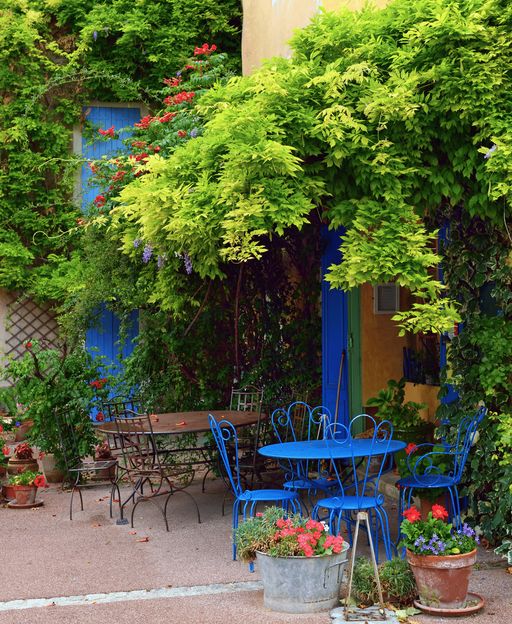
These are places with mild winters, excellent healthcare, and a genuinely slower pace of life. Where a market morning, a long lunch, and a walk through medieval streets can become your Tuesday routine. Where your pension or savings stretch considerably further than in Paris or Lyon.
This guide covers the specific towns worth your attention — with honest notes on costs, healthcare, and what life actually looks like on the ground.
Why the South and Southwest Beat Paris for Retirees
A couple living comfortably in Paris needs roughly €3,500–€4,500 per month, before major extras. In the towns below, €2,000–€2,800 covers most couples including rent — sometimes considerably less.
Property prices tell the same story. A three-bedroom stone house in the Dordogne starts at around €150,000. Something comparable in Île-de-France would cost many times that. The Languedoc and Gascony regions have some of the lowest property prices in all of Western Europe.
The climate is a major draw too. Occitanie and Languedoc enjoy more than 300 days of sunshine per year in many towns — comparable to parts of Southern California. Winters are mild. You can sit outside at a café in February on a good day without a coat.
France’s healthcare system is available to legal residents. Once enrolled in PUMA (Protection Universelle Maladie), most medical costs are reimbursed at 70–100%. Major university hospitals in Montpellier and Toulouse serve the whole southwestern region at a very high standard.
For a full overview of the visa process and what to expect in your first year, the full Retire in France guide covers every practical step.
Best Towns in the Dordogne for American Retirees
The Dordogne has drawn English-speaking expats for decades. It has an established community, which means English is spoken widely in many shops and services — useful if your French is still developing. The landscape is extraordinary: limestone cliffs, river valleys, medieval villages, and prehistoric caves.
Sarlat-la-Canéda
Sarlat is a medieval market town built in golden limestone, with one of the best-preserved old towns in France. The Saturday market fills the centre with local produce. Restaurants serve duck confit, walnut-oil salads, and foie gras. The streets take about fifteen minutes to walk from end to end — everything is close.
Property in and around Sarlat is reasonable. A two-bedroom apartment in the old town runs roughly €150,000–€250,000 to buy. A stone farmhouse in the Périgord Noir countryside can start considerably lower, depending on condition and location.
The town has its own hospital (Centre Hospitalier Jean Leclaire). Bergerac airport is 65km away and has connections to several UK cities, making transatlantic travel straightforward. Bordeaux, with its international airport, is around 90 minutes by car.
Summer is genuinely busy — Sarlat draws considerable tourism in July and August. But from September to June, it is quiet and very liveable.
Bergerac
Bergerac sits on the Dordogne river, surrounded by vineyards. It is smaller and calmer than Sarlat, with its own airport offering direct connections to several UK cities — a practical advantage for Americans who travel home via a UK hub.
The cost of living is low. A couple can rent a comfortable three-bedroom house on the outskirts for approximately €700–€900 per month. The town has a hospital and solid GP coverage. Bordeaux is around 90 minutes by car.
Bergerac also has an active English-speaking expat community, well-established over decades. For Americans who want a genuine French market town without a heavy tourist season, it is worth serious attention.
Périgueux
Périgueux is the prefecture of the Dordogne — its administrative centre, with around 30,000 people. It has a hospital, banks, specialist healthcare, and a beautiful historic core centred on the Byzantine-Romanesque cathedral of Saint-Front.
It is more French than Sarlat in daily life. Fewer tourists, fewer expats, more locals going about their day. This suits Americans who want full immersion rather than an English-speaking community. French language classes are available through the Alliance Française.
Thinking About Retiring in France?
Join 7,000+ readers getting France travel and living tips every week — completely free.
Subscribe Free →Best Towns in Occitanie and Languedoc
Occitanie is France’s sunniest major region — sweeping from the Pyrénées to the Mediterranean. Within it, Languedoc offers some of the most affordable towns in the whole of southern France, with a climate that many Americans find genuinely familiar.
Montpellier
Montpellier is the largest city in Occitanie and one of the fastest-growing in France. It has a major university, a well-connected tram network, a beautiful historic centre, and the CHU de Montpellier — one of the best teaching hospitals in the country.
For retirees, proximity to excellent healthcare matters enormously. Montpellier lets you live in a city with genuine culture, restaurants, museums, and a historic quarter, while having top-level specialist medicine within reach.
It is not cheap by Occitanie standards, but it is significantly less expensive than Paris or Lyon. A two-bedroom flat in a central neighbourhood rents for approximately €900–€1,300 per month. The Mediterranean coast is 12km away. The winters are mild and short.
Nîmes
Nîmes is often called the “French Rome.” Its two best-known monuments — the Maison Carrée temple and the Arena of Nîmes — are genuinely remarkable Roman structures that sit in the middle of the modern city. The Arena still hosts concerts and events today.
The city is sunny, affordable, and well-connected. The TGV to Paris takes approximately 2 hours 45 minutes. Montpellier is 30 minutes by train. The city has a regional hospital and good GP coverage.
Property is cheaper than Montpellier. A two-bedroom apartment in the centre rents for roughly €650–€900 per month. A house in the surrounding Gard countryside can be bought for €150,000–€250,000, depending on size and condition.
Béziers
Béziers sits on a hill above the Canal du Midi, in the heart of Languedoc wine country. It is one of the most affordable towns in the whole of southern France — and one that many Americans overlook entirely.
The old town has a magnificent medieval cathedral, a Saturday market, and excellent local wine at cooperative prices. The Mediterranean coast is just 20 minutes by car. The climate is warm and sunny for most of the year.
A two-bedroom apartment in the centre rents for approximately €550–€750 per month — among the lowest in the south. Many American retirees choose Béziers as a base and drive to Montpellier when specialist healthcare is needed.
Two More Regions Worth Your Attention
The Lot Valley: Running west from Cahors, the Lot Valley offers dramatic limestone gorges and some of the most affordable property in all of France. Towns like Figeac and Cahors are quiet, beautiful, and genuinely inexpensive. This suits retirees who want rural France rather than an established expat community.
Gascony (Gers): One of the least visited parts of France — rolling hills, Armagnac distilleries, and medieval bastide market towns. Towns like Auch and Condom are deeply affordable and genuinely beautiful. Toulouse international airport is around an hour away, which keeps the wider world accessible.
How to Choose Your French Retirement Town
Spending at least four weeks in any town you are seriously considering is strongly recommended — ideally in autumn or winter, not the summer tourist season. Renting before buying gives you time to discover whether a town suits daily life, not just a holiday.
Key questions to investigate before committing:
- Is there a GP (médecin généraliste) within easy reach? Rural areas in France can have doctor shortages.
- What is the nearest hospital with emergency care?
- Do you need a car, or is public transport sufficient for daily life?
- Is there an English-speaking expat community — and do you want one?
- Are there French language classes nearby, if your French needs work?
For visa applications, health insurance, and the first-year practicalities, see our dedicated guides: the French retirement visa for Americans, how much money you need to retire in France, and French healthcare for retired expats.
Frequently Asked Questions
What is the most affordable region to retire in France as an American?
Languedoc and Gascony (Gers) offer the lowest property prices and living costs in the south of France. Towns like Béziers, Auch, and Condom are significantly cheaper than Provence or the French Riviera, while still offering good weather and healthcare access.
Do I need to speak French before retiring to France?
You do not need to be fluent before you arrive. The Dordogne has a large, long-established English-speaking expat community. In Occitanie and Languedoc, fewer locals speak English, but French language classes are widely available. Most retirees develop functional French within 12–18 months of living there.
What healthcare is available to American retirees in France?
Once you have legal residency and are enrolled in PUMA (Protection Universelle Maladie), France’s public healthcare system reimburses most medical costs at 70–100%. Major university hospitals in Montpellier and Toulouse serve the whole southwestern region. Top-up private insurance (mutuelle) typically costs €50–€150 per month depending on your age and cover level.
Is the Dordogne or Languedoc better for American retirees?
It depends on what you want. The Dordogne is greener, cooler, and has more English-speaking expats — better if you want community and an easier language transition. Languedoc is sunnier, cheaper, and more authentically French in daily life — better if you want Mediterranean weather and full immersion. Both have good healthcare access and affordable property.
You Might Also Enjoy
- Where to Retire in France in 2026: 5 Regions Worth Considering
- The French Retirement Visa for Americans: What You Need to Know
- Aix-en-Provence Travel Guide: The Perfect Southern French Town
Plan Your France Trip
Thinking of visiting France before you commit to retiring here? Our complete France trip planning guide covers everything from when to go to how to get around — a practical starting point for your first visit.
Ready to Plan Your Move to France?
Every week, get practical guides, hidden gems, and real life in France — free in your inbox.
Join the Free Newsletter →Join 7,000+ France Lovers
Every week, get France’s hidden gems, local recipes, and travel inspiration — the kind you won’t find in any guidebook.
Subscribe free — enter your email:
Love more? Join 64,000 Ireland lovers → · Join 43,000 Scotland lovers → · Join 30,000 Italy lovers →
Free forever · One email per week · Unsubscribe anytime
Tours & experiences you might love


Powered by Viator. Some links are affiliate links — we may earn a small commission at no extra cost to you.

Leave a Reply