
Choosing the best time to visit France can make the difference between a dream holiday and a stressful one. France is a year-round destination, but every season brings its own rewards — and its own trade-offs. Whether you are dreaming of Provence lavender in bloom, skiing the Alps, or wandering through a Parisian Christmas market, timing your trip wisely means better weather, shorter queues, and often lower prices. This guide breaks down every month of the year so you can choose the perfect window for your travel style and budget.
Love France? Join 7,000+ readers on our free newsletter → lovetovisitfrance.substack.com
France at a Glance: What Season Suits You?
France stretches from the cool green pastures of Normandy in the north to the sun-drenched coastline of the French Riviera in the south. This means there is no single “best” month for every traveller — the ideal time depends on where you are going and what you want to do. That said, some general principles hold true across most of the country:
- Peak season (July–August): Longest daylight hours, warmest weather, highest prices, busiest crowds. Great for the Riviera and outdoor festivals; overwhelming in Paris.
- Shoulder season (April–June and September–October): The sweet spot for most travellers. Comfortable temperatures, manageable crowds, and better value.
- Off-season (November–March): Quiet, affordable, and atmospheric — but some coastal and mountain resort areas close down.
Spring in France (March–May): The Best Time to Visit France for Most Travellers
Spring is arguably the best time to visit France for Americans who want a balance of good weather, lower costs, and far fewer crowds than the summer rush. The countryside comes alive with blossom, the café terraces reopen, and the light turns golden in a way that has inspired painters for centuries.
March
March is early spring and still unpredictable. Paris can be chilly and grey, but it is also uncrowded and affordable. Museums are easy to explore without queuing, and the city feels genuinely Parisian rather than touristy. Average temperatures in Paris range from 5°C to 13°C. If you are heading south to Provence or the Côte d’Azur, March brings warmer days of around 15°C and a sense of calm before the season picks up.
April
April is one of the most enjoyable months to visit France. Cherry blossom fills parks and gardens, the Loire Valley châteaux are surrounded by spring flowers, and you can walk the streets of Paris in a light jacket. Average temperatures climb to around 8°C–17°C in Paris and 12°C–20°C in the south. Easter can bring short crowds to popular sites, but it is nothing like the summer. Hotel prices remain reasonable, and flights from the US are cheaper than in July or August. For more on planning a drive through the Loire, see our Loire Valley travel guide.
May
May is considered by many travel experts to be the best single month to visit France. The weather is warm and settled, the Cannes Film Festival brings glamour to the Riviera, and school holidays have not yet begun. In Paris, expect temperatures of 12°C–21°C. In Provence, lavender is still weeks away from its July peak, but the countryside is lush and green. May also brings several French public holidays, so some smaller shops and restaurants may close for a day or two — worth knowing when you plan your itinerary.
Planning Your France Trip?
Our free weekly newsletter covers the best of France — seasonal guides, hidden gems, and practical tips for American travellers.
Thinking about it for retirement? If you’ve started thinking seriously about retiring there, our complete our full Retire in France guide covers the visa, healthcare, cost-of-living, and the regions worth shortlisting.
Summer in France (June–August): Buzzing but Busy
Summer is the most popular time to visit France, and for good reason. Long, warm days, open-air markets, and a festive atmosphere make the country feel alive. The downside is that popular destinations — Paris, the Riviera, Mont Saint-Michel — can become intensely crowded and expensive.
June
June offers warm weather without the full intensity of the July–August peak. School is still in session in much of Europe until late June, which keeps the crowds lighter. The Normandy D-Day commemorations in early June draw visitors to the coast, but the sites remain accessible. In southern France, the lavender in Provence begins to bloom from mid-June, making it a wonderful time for a road trip through the Luberon or the Valensole plateau. If Normandy is on your itinerary, our Normandy France travel guide has everything you need.
July
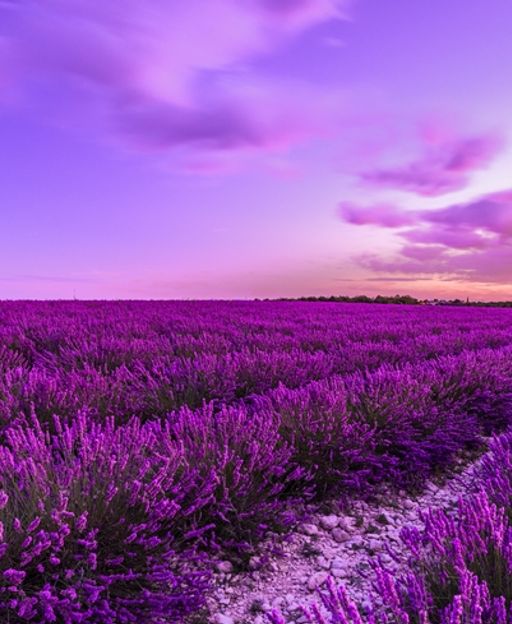
July is peak France. The lavender fields of Provence are at their most spectacular — vast violet waves under blue skies. The Tour de France crosses the country, and Bastille Day on the 14th fills every town square with fireworks and celebration. Paris, however, is not at its best in July. Many locals leave the city on holiday, and the streets fill with tourists. The Louvre can have queues of two hours or more. If you visit in July, book everything well in advance — flights, hotels, and popular sites. Expect temperatures of 24°C–28°C in Paris, and 30°C–35°C in the south.
August
August is the month that France takes its own summer holiday. Many Parisian restaurants and small shops close as owners head south. The Riviera reaches its peak, with beaches packed from Nice to Saint-Tropez. It can be very hot — temperatures above 35°C are common in southern France. If you are visiting Paris in August, the good news is that accommodation prices can actually dip as business travellers stay home. For first-time visitors, August in Paris is perfectly manageable; just book your key attractions in advance. Visit Mont Saint-Michel early in the morning to beat the crowds — our Mont Saint-Michel travel guide covers the best timing.
Autumn in France (September–November): Crowds Thin and Colours Turn
Autumn is the second-best time to visit France, and for wine lovers it may be the best time of all. The grape harvest — known as the vendange — begins in September and runs through October. Visiting Bordeaux, Burgundy, or Champagne during harvest season is a genuinely special experience.
September
September is glorious. The summer heat eases, the school holidays end (typically in late August), and the crowds thin noticeably from mid-September onwards. The weather in Paris is typically 14°C–22°C. In the south, it is still warm enough to swim in the sea. Prices for flights and hotels drop significantly after the first week of September. For many seasoned France visitors, September is their favourite month — the light is softer, the pace calmer, and the food markets overflow with late summer produce.
October
October brings autumn colours to French forests and vineyards. The Loire Valley châteaux look their best against a backdrop of golden trees. Paris is atmospheric and much more manageable — you can walk into most museums without booking weeks ahead. Average temperatures range from 9°C–17°C in Paris. Halloween is not as widely celebrated in France as in the US, but Toussaint (All Saints’ Day) on 1 November is a national holiday, so plan accordingly if you are travelling at the very end of the month.
November
November is the quietest month in France’s tourism calendar. It is not the most glamorous time to visit — rain is frequent and daylight hours are short — but the rewards are real. Prices are at their lowest, museums are uncrowded, and you can experience France as the French do, without the tourist infrastructure switched to full volume. The Christmas markets begin in Alsace and Strasbourg in late November, which is one of France’s most magical seasonal events.
Winter in France (December–February): Festive Magic and Ski Season
Winter in France divides neatly into two experiences: the festive magic of December, and the quieter months of January and February.
December
December is one of the most charming times to visit France if you enjoy Christmas atmosphere. Paris is beautifully decorated, the Galeries Lafayette windows are famous worldwide, and the Christmas markets in Alsace and Strasbourg draw visitors from across Europe. Temperatures hover around 2°C–8°C in Paris. It is cold but not bitter, and the city is far more manageable than in summer. The week between Christmas and New Year sees a spike in visitors, so book accommodation early.
January and February
January and February are the off-season in most of France. Paris is quiet — genuinely quiet — and hotels and flights offer their lowest prices of the year. The downside is short days, frequent grey skies, and some tourist sites operating on reduced hours. However, for ski enthusiasts, these months are peak season in the French Alps. Resorts such as Chamonix, Val d’Isère, and Courchevel are fully open, and the snow conditions are at their best. Flights into Geneva or Lyon are the typical gateway for a ski holiday.
When to Visit France by Region
Paris
Paris is best visited in spring (April–May) or autumn (September–October). These shoulder seasons offer comfortable temperatures, manageable crowds, and the city at its most liveable. Avoid the third and fourth weeks of July and August if you dislike queues. Winter visits are perfectly viable — Paris in December has real magic — but go in knowing it will be cold and some businesses will be closed for the festive period.
Provence and the French Riviera
For lavender fields, visit between late June and early August — the peak of bloom varies by altitude and each year’s weather. For the Riviera beaches, July and August offer guaranteed sunshine. For a quieter trip, May and September are ideal — warm enough to enjoy the coast without the July crowds. The region is mild even in winter, and exploring hilltop villages in January or February is a peaceful pleasure.
Normandy
Normandy is best in spring (April–June) and early autumn (September–October). The D-Day beaches and Memorial Museum at Caen are moving at any time of year, but the countryside looks most beautiful when it is green and in bloom. Summer brings more visitors but is still far less crowded than the south of France.
The Alps
For skiing, visit December through March. For hiking and mountain scenery, July and August are the peak season — trails are open, cable cars run full hours, and the mountain wildflowers are spectacular. June and September are excellent for walking with fewer fellow hikers.
Practical Tips for American Travellers
A few practical things to bear in mind when booking your trip to France:
- Book flights early for peak season: Direct flights from major US cities to Paris Charles de Gaulle fill up quickly for July and August. Aim to book at least three to four months in advance.
- French public holidays: France has 11 public holidays a year. On these days, banks and many small shops close, and some restaurants change their hours. The busiest are Bastille Day (14 July), Toussaint (1 November), and Christmas.
- August in Paris: Many Parisians leave town in August. Some neighbourhood restaurants and bakeries close for two to four weeks. This is not a disaster — there is always somewhere open — but it is worth knowing.
- School holiday periods: French school holidays (especially February half-term and the Easter break) push domestic tourism numbers up, particularly in ski resorts and coastal towns. Check the French school calendar if you want to avoid these peaks.
- Currency: France uses the Euro. ATMs are widely available, and credit cards are accepted almost everywhere. Notify your bank before you travel.
For a full planning walkthrough — from visas to budgeting — visit our France trip planning hub. If you are thinking about spending more time in France, our guide to the real cost of living in France is a useful starting point.
Frequently Asked Questions
What is the best time to visit France to avoid crowds?
The best time to avoid crowds is May, September, or October. These shoulder-season months offer good weather across most of France without the intense tourist numbers of July and August. Paris in particular is significantly more pleasant in these months — queues at major attractions are shorter, and it is easier to get a table at popular restaurants.
Is France expensive to visit in summer?
Summer — especially July and August — is the most expensive time to visit France. Flights from the US to Paris can cost 30–50% more than in the off-season, and hotels in popular areas charge peak-season rates. If your travel dates are flexible, travelling in April, May, September, or October will save you a meaningful amount on both flights and accommodation.
When do the lavender fields bloom in Provence?
Lavender in Provence typically blooms from late June through early August, with peak bloom usually in the second and third weeks of July. The exact timing varies depending on altitude and the year’s weather patterns. The Valensole plateau and the Luberon region are the most visited areas for lavender. Arrive early in the morning for the best photographs and cooler temperatures.
Can you visit France in winter?
Absolutely. Paris in December has a genuine festive charm — Christmas markets, spectacular window displays, and far fewer tourists than in summer. January and February are quiet but offer the lowest prices of the year. The French Alps are in full swing as a ski destination from December through March. If you are heading to the Riviera or Provence in winter, expect mild temperatures (10°C–15°C) and peaceful, unhurried conditions.
You Might Also Enjoy
Now that you have a sense of when to go, here are a few more France planning resources to help you make the most of your trip:
- Loire Valley Travel Guide: France’s Perfect Château Road Trip
- Normandy France Travel Guide
- Aix-en-Provence Travel Guide
Plan Your France Trip: Visit our France Trip Planning Hub for everything from visa guides to regional itineraries.
Join 7,000+ France Lovers
Every week, get France’s hidden gems, local recipes, and travel inspiration — the kind you won’t find in any guidebook.
Subscribe free — enter your email:
🇫🇷 Discover the France Most Tourists Never Find
Get our free guide to 25 hidden villages of France — then join 7,000+ readers for weekly stories about places most guidebooks never mention.
Get Your Free Village Guide →Love more? Join 64,000 Ireland lovers → · Join 43,000 Scotland lovers → · Join 30,000 Italy lovers →
Free forever · One email per week · Unsubscribe anytime
Tours & experiences you might love


Powered by Viator. Some links are affiliate links — we may earn a small commission at no extra cost to you.

Leave a Reply