
On the morning of 23 December 1588, Henry, Duke of Guise walked into a château he had visited dozens of times before. He had been summoned by the king for an early meeting. He was the most powerful man in France — more powerful, many believed, than the king himself. He had no reason to think anything was wrong.
He was dead within minutes.
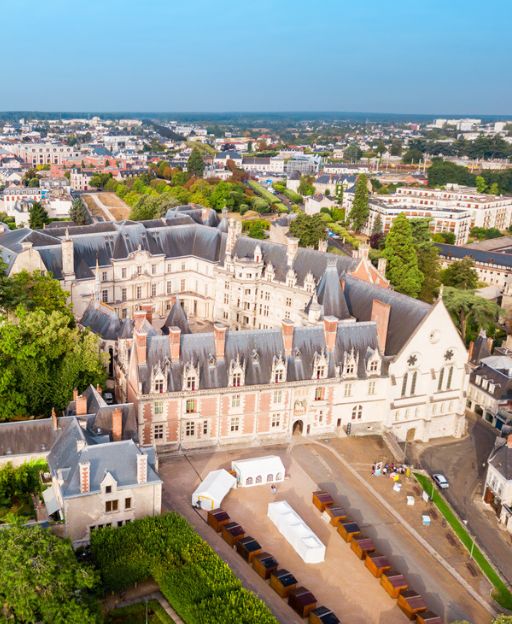
The Most Powerful Man in France
For much of the 1580s, France was tearing itself apart. The Wars of Religion had ground on for decades, and Henri III sat on a throne that barely held together.
The real power belonged to Henry, Duke of Guise — the charismatic, battle-hardened leader of the Catholic League. He was adored by ordinary Parisians. Crowds cheered him in the street as though he were already king.
In May 1588, Henri III tried to assert his authority and ban the Catholic League. Paris rose up. The streets filled with barricades. The king fled his own capital. The event became known as the Day of the Barricades — one of the most humiliating moments in French royal history.
The Invitation to Blois
By December, the Duke of Guise was at the height of his power. When Henri III summoned him to Château de Blois for a reconciliation meeting, the Duke saw little reason to worry. He had attended dozens of such meetings. The château was the royal residence — formal, safe, familiar.
What the Duke did not know was that Henri III had spent weeks preparing what would happen next. On the night of 22 December, the king gathered a group of royal guards and told them exactly what he needed done.
Eight men were chosen. They were given their positions and told to wait.
What Happened in the King’s Chamber
Just after seven o’clock on the morning of 23 December, the Duke of Guise was called to the royal bedchamber. He walked through the antechamber, reached for the door handle, and stepped inside.
The Duke was a large man. Physically imposing. Trained for war. By the accounts of those present, he fought — dragging the guards across the floor, nearly reaching the royal bed before he finally fell.
When Henri III came into the room to see the body, he reportedly stood over it and said: “He seems bigger dead than he was in life.”
The Duke’s brother, Cardinal Louis of Guise, was killed in the same château the following morning.
Enjoying this? 7,000 France lovers get stories like this every week. Subscribe free →
The Aftermath Nobody Expected
Henri III expected relief. He had removed his greatest rival. He announced it to his council the following morning as though delivering good news.
What happened next was the opposite of what he planned. The Pope excommunicated him within weeks. The Catholic League declared open war. Preachers called for the king’s death from every pulpit in France. The murder had not weakened the Duke’s movement — it had handed it a martyr.
Eight months later, on 1 August 1589, a young Dominican friar named Jacques Clément gained an audience with the king at the Château de Saint-Cloud, claiming to carry a secret message. He pulled a knife from his robes. Henri III died the following day.
The murder at Blois had cost the king his credibility, his country’s peace — and ultimately his life.
The Room Is Still There
Château de Blois still stands in the heart of the Loire Valley. Each year, thousands of visitors walk through its Renaissance galleries and royal apartments. Most of them have no idea what happened here.
The council chamber where the Duke of Guise died is still there. The fireplace, the windows looking out over the rooftops of Blois, the proportions of the room — all of it largely unchanged from that December morning in 1588. There are no dramatic signs. No markers pointing at the floor.
It just looks like a very old, very beautiful room. Which is exactly what makes it so unsettling.
If you are planning a visit to the Loire Valley, Blois is easy to reach — about ninety minutes by train from Paris, with the château a short walk from the station. And if the secrets hidden inside Loire châteaux appeal to you, another château nearby was built with 237 hidden passageways — and the reasons behind them are just as strange.
The Loire Valley châteaux are often sold as pretty backdrops for a summer holiday. That is not wrong. But when you stand in that council chamber and look out at the river, you realise they are also something else entirely: the rooms where France decided what it was going to become.
Join 7,000+ France Lovers
Three times a week, get France’s hidden gems, seasonal guides, local stories, and the art of la vie française — straight to your inbox.
Subscribe free — enter your email:
Free forever · Unsubscribe anytime
🇫🇷 You Might Also Love
Tours & experiences you might love


Powered by Viator. Some links are affiliate links — we may earn a small commission at no extra cost to you.

Leave a Reply