
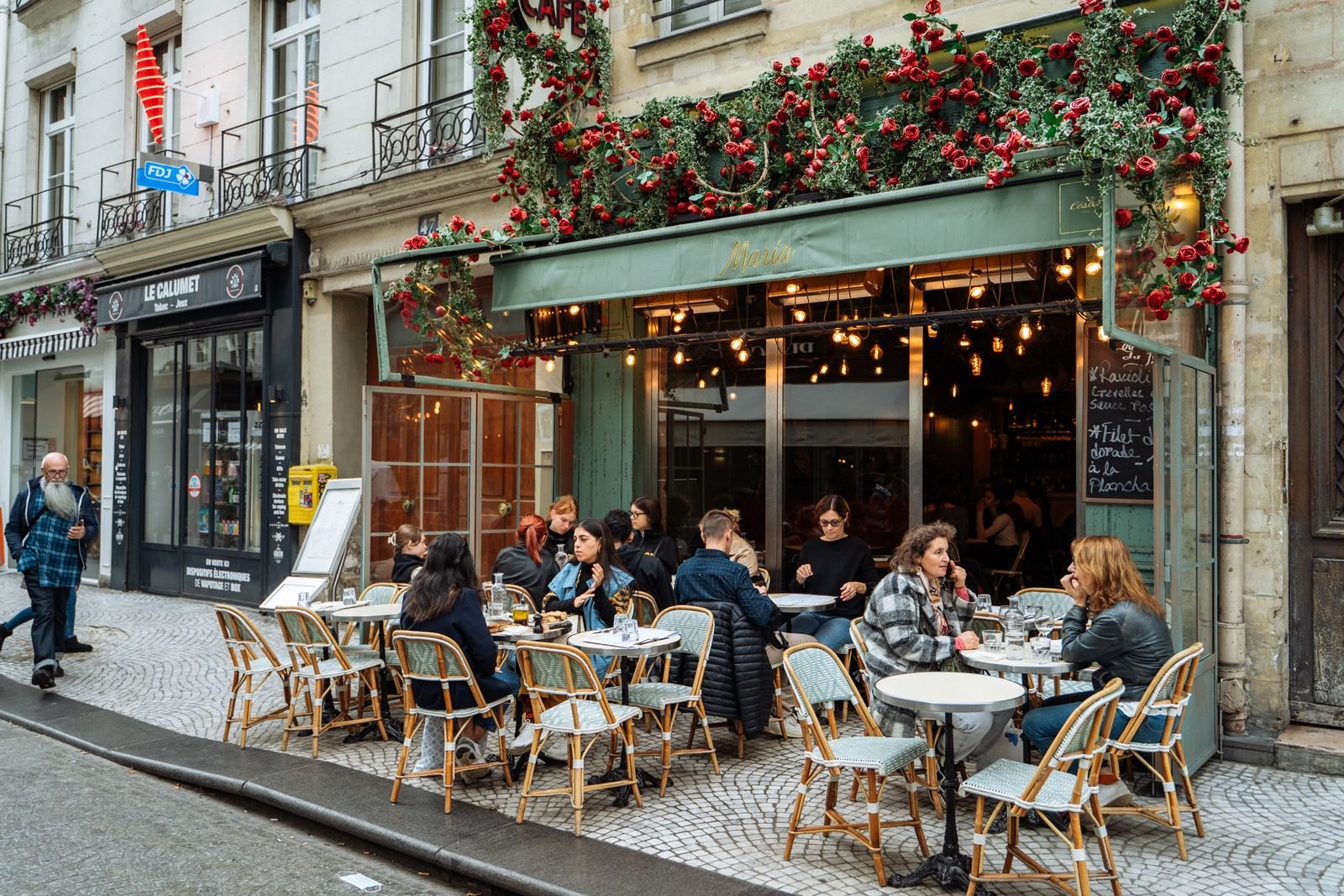
At six o’clock, something happens in France that visitors never quite believe.
The noise changes. The pace drops. Tables fill. And the entire country — from Alsace to the Basque coast — observes what the French call l’heure de l’apéro.
It is not a meal. It is not just a drink. It is something else entirely.
What the Apéritif Hour Actually Is
The word apéritif comes from the Latin aperire — to open. The idea is simple: a drink before the meal that opens the appetite.
But in France, it has grown into something far bigger than its Latin root.
L’heure de l’apéro is a social institution. A daily pause. A moment when French life puts down whatever it was doing and gathers around a table.
The Rules Nobody Wrote Down
There are no official rules for the apéritif. No law, no guide, no ceremony.
But the French follow them anyway.
You arrive at someone’s home between six and eight. You bring something to share — crisps, olives, a saucisson, a slice of tapenade on a cracker.
The host pours something cold. Pastis mixed with water. A kir — white wine with blackcurrant liqueur. A chilled rosé. Nobody has their phone out. Nobody is in a hurry.
Why It Matters More Than the Meal
The French are famously protective of their meals. The Sunday lunch can last four hours. Dinner is not to be rushed.
But the apéritif exists in a different register. It is looser, more informal. Children run around. Conversation drifts. Nobody is performing anything.
French sociologists have written about l’apéro as the most democratic of French rituals — the moment when the formal codes of French social life relax just enough for people to actually talk.
In a culture where small talk takes time to earn, the apéritif is where real conversation happens.
The Snacks Have Their Own Language
Ask a French person what they serve at l’apéro and they will list a universe.
In Provence, it might be tapenade on toast, a bowl of niçoise olives, or a slice of socca still warm from the market. In Alsace, there are pretzel sticks, slices of Münster cheese, and a glass of crémant rather than wine.
On the Atlantic coast, it might mean oysters — half a dozen, shucked right there on the kitchen table, a wedge of lemon, a sliver of buttered bread.
Every region has its own grammar. Every family has its own dialect. If you want to experience this properly on your next visit, our France travel planning guide covers everything you need to know.
Enjoying this? 7,000 France lovers get stories like this every week. Subscribe free →
When It Escapes the Home
The apéritif began in private homes. But it has long since moved outdoors.
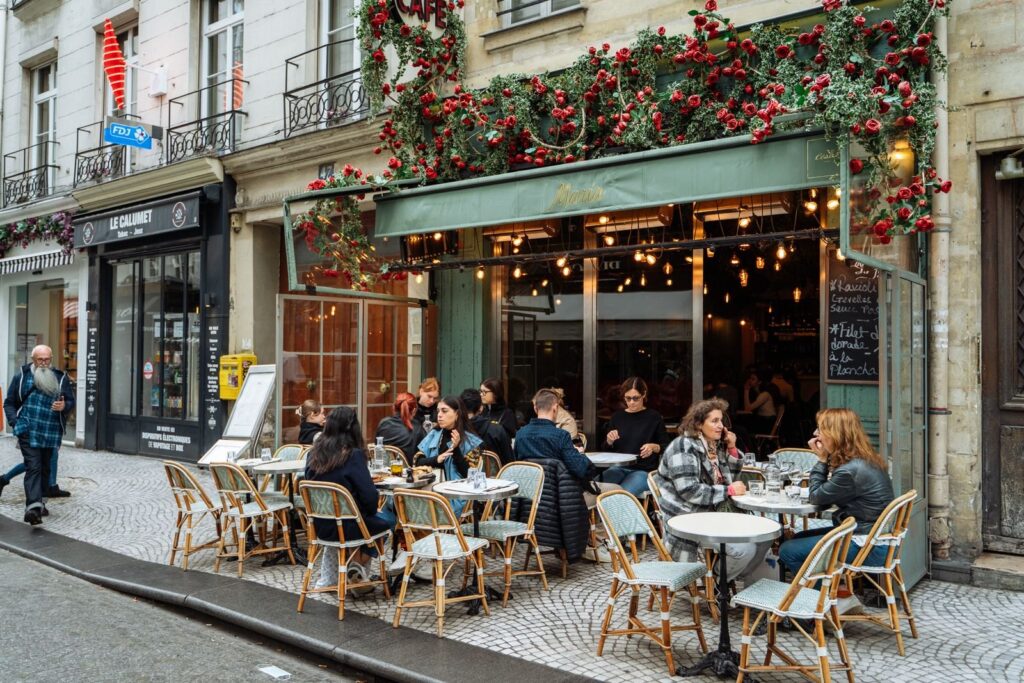
By six o’clock on a warm evening, every café terrace in France is full. Not for dinner — dinner does not start until eight. Just for l’apéro.
People claim the same table every week. They order a carafe of rosé and a plate of something salty. They watch the square. They talk about nothing important and everything that matters.
In the south, it spills into the streets. Neighbours pull chairs out of front doors. Children chase each other down cobbled lanes. A bottle appears on a wall.
It looks effortless because it has been practised for generations. For a sense of how the south of France lives this way every day, the Provence travel guide captures much of that spirit.
The History in the Glass
The apéritif as a custom is older than France’s republic.
It was a Turin physician who created vermouth in 1786, and the idea of a pre-meal drink spread quickly through France. By the 19th century, Parisian cafés were serving absinthe as an apéritif — l’heure verte, the green hour.
When absinthe was banned in 1915, pastis, Dubonnet, Lillet, and Noilly Prat took its place. Each generation found its own apéritif. Each decade added a new bottle to the ritual.
What never changed was the hour itself — that pause before the evening begins in earnest.
How to Join In
You do not need the right drink. You need the right attitude.
The apéritif is not about the glass in your hand. It is about the hour — the permission to stop, to gather, to talk without purpose.
Understanding this ritual is part of understanding how the French actually connect with each other. The apéritif is not optional. It is the prelude that makes the rest of the evening possible.
Next time you are in France at the end of the day, do not go back to your hotel. Find a terrace. Order something cold. Watch the square fill up.
You are not having a drink. You are joining a ritual that has been practised in this country for two hundred years. France will open to you a little more as the sun goes down.
Join 7,000+ France Lovers
Three times a week, get France’s hidden gems, seasonal guides, local stories, and the art of la vie française — straight to your inbox.
Subscribe free — enter your email:
Free forever · Unsubscribe anytime
🇫🇷 You Might Also Love
Tours & experiences you might love


Powered by Viator. Some links are affiliate links — we may earn a small commission at no extra cost to you.

Leave a Reply