
The French Alps are one of the most spectacular regions in Europe — and one of the most overlooked by first-time visitors to France. Most travellers head straight to Paris, then perhaps the French Riviera or Provence. But the Alps sit in the east of the country, stretching from the Swiss border down toward Nice, and they hold some of the most dramatic landscapes, cleanest lakes, and finest mountain villages you will find anywhere on the continent. This French Alps travel guide covers everything you need to plan a great trip — whether you are coming in summer for hiking or in winter for skiing.
Love France? Join 7,000+ readers on our free newsletter → lovetovisitfrance.substack.com
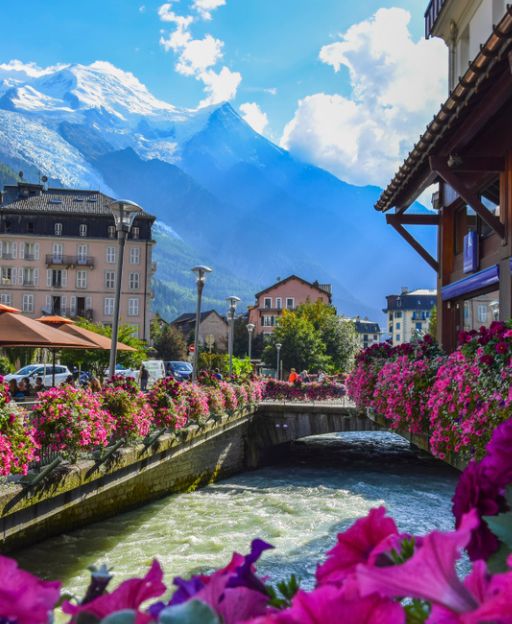
Why the French Alps Belong on Your France Itinerary
The French Alps are home to Mont Blanc — at 4,808 metres, the highest peak in Western Europe. That single fact shapes everything about the region. The valleys below are deep and dramatic. The villages that grew up around them are small, stone-built, and proud of their Savoyard identity. The food — raclette, tartiflette, fondue — has little to do with Parisian cuisine and everything to do with long winters and mountain life.
What surprises most visitors is how accessible the Alps are. Chamonix, the main hub, sits just over an hour from Geneva airport by road or rail. Annecy, the most beautiful lakeside town in France, is under two hours from Lyon by train. You do not need to be a keen skier or an ambitious hiker to enjoy the Alps. Even a few days of wandering through mountain villages, eating Savoyard cheese, and watching the sunset turn Mont Blanc pink is time well spent.
🇫🇷 Free: The Perfect Provence & South of France Road Trip
A free 10-day itinerary covering Avignon, the Luberon villages (Gordes, Roussillon, Bonnieux), Marseille, Cassis, Aix-en-Provence, and the Camargue — with practical route notes most travel guides leave out.
Get the Free Itinerary →The Alps also make a logical stop on a wider France road trip. If you are already visiting the French Riviera or planning to explore Alsace, the Alps fit naturally into an eastern circuit of the country.
Chamonix: The Adventure Capital of the Alps
Chamonix is the most famous town in the French Alps. It sits at 1,035 metres above sea level, in a narrow valley beneath the jagged Aiguilles de Chamonix and the vast white dome of Mont Blanc. The town is small, lively, and completely focused on the mountains. Every shop window shows hiking boots or climbing gear. Every restaurant has a view of the peaks.
What to Do in Chamonix
The Aiguille du Midi cable car is the most dramatic attraction in the region. It climbs from Chamonix at 1,035m to a needle-sharp summit at 3,842m in around 20 minutes. From the top, you look down over the Mer de Glace — France’s largest glacier at seven kilometres long — and across the entire Mont Blanc massif. On a clear day, the view extends into Switzerland and Italy. Book tickets in advance, particularly in summer and winter.
The Mer de Glace is reachable by the Montenvers rack railway — a historic mountain train that has climbed up from Chamonix since 1909. At the glacier, ice caves cut into the surface show how far the glacier has retreated over the past century. It is sobering and spectacular.
Hiking is the main draw in summer. The Tour du Mont Blanc — a 170km circuit around the entire massif — passes through Chamonix and ranks as one of the most famous long-distance walks in Europe. You do not need to attempt the whole route. Shorter day walks from the Grands Montets or Plan de l’Aiguille cable-car stations put you immediately into high-alpine terrain without a full day’s climb on foot.
In winter, Chamonix becomes one of Europe’s most serious ski destinations. The resort is renowned for off-piste skiing and freeride terrain. Beginners may find the runs challenging — Chamonix attracts experienced skiers for steep, technical descents rather than gentle nursery slopes.
Getting to Chamonix
The easiest route from the US is to fly into Geneva and take the Mont Blanc Express train or a shuttle directly to Chamonix. The journey takes around 90 minutes by road. Geneva is well-served by transatlantic flights from New York, Boston, and other major US cities — often with a single connection through London, Paris, or Zurich.
Alternatively, fly into Paris and take the TGV to Geneva or Lyon, then connect onward. Paris to Chamonix by train takes around four and a half hours with a connection at St Gervais-les-Bains.
Annecy: The Cleanest Lake in France
Annecy is about an hour’s drive from Chamonix — or easily reached by train from Lyon or Geneva. It appears regularly on lists of the most beautiful towns in France, and the reputation holds up. Lake Annecy is among the cleanest large lakes in Europe. The water runs a shade of turquoise-green that looks almost unreal. The mountains rise straight from the far shore. The old town has canals, stone bridges, and a lively weekly market.
What to See in Annecy
The Palais de l’Isle — a 12th-century island prison sitting in the middle of the Thiou canal — is the most photographed building in Annecy. The Château d’Annecy above the old town houses the regional museum and gives clear views down over the lake. The market runs Tuesday, Friday, and Sunday mornings and sells local cheeses, mountain honey, and seasonal produce.
The lake itself is the main attraction in summer. Paddle boarding, kayaking, and swimming are all popular. The beaches around Annecy fill quickly in July and August — arrive early or head to the quieter coves at the southern end near Talloires. The lakeside cycle path is flat and manageable for all abilities, running the full length of both shores.
Annecy pairs well with a drive around the lake. Villages like Talloires, Duingt, and Doussard sit on the shoreline and see far fewer visitors than Annecy itself. The Château de Menthon-Saint-Bernard, a medieval castle perched above the eastern shore, is open to visitors from May to September and looks exactly like a fairy-tale fortress should.
Beyond Chamonix and Annecy
Megève: Luxury Without the Crowds
Megève sits about 35 kilometres from Chamonix and presents a very different atmosphere. The village has a warm belle époque character — cobbled streets, horse-drawn carriages in winter, excellent restaurants, and a ski area that suits intermediate skiers far better than Chamonix. The Rothschild family developed Megève as a resort in the 1920s, and that history still shows in the quality of the food and accommodation. It works well as a base if you want mountain air without Chamonix’s intensity.
Grenoble: Gateway to Three Massifs
Grenoble is a large university city at the foot of three mountain ranges — the Belledonne, the Vercors, and the Chartreuse. It is not a typical tourist destination, but travellers who enjoy the outdoors find it genuinely useful. The Bastille fortress above the city is reached by cable car and gives a broad panorama over all three massifs. The Vercors plateau to the south-west offers excellent hiking and cycling with far fewer crowds than the Mont Blanc area.
Best Time to Visit the French Alps
Summer in the French Alps
June to September is the best time for hiking, cycling, and lake swimming. The cable cars in Chamonix run from around late May. July and August are the busiest months — book accommodation well in advance for these weeks. June and September are quieter, cheaper, and often just as sunny. The wildflower meadows in early summer are particularly beautiful above the treeline.
Winter in the French Alps
The ski season runs roughly from mid-December to mid-April, depending on altitude and snowfall. Chamonix and the high resorts above 1,800m hold snow reliably. Lower resorts can be variable. February is the busiest period due to French school holidays. January offers good snow conditions and slightly fewer crowds than February.
Between seasons — late October to late November, and again in April and May — many mountain village facilities close. Chamonix stays open year-round, but Megève and smaller resorts go quiet. Plan accordingly.
How to Get to the French Alps from the US
Most travellers fly into Geneva (GVA) and travel directly to Chamonix or Annecy. Geneva has direct or one-stop flights from New York (JFK, EWR), Boston, Los Angeles, and Chicago. From Geneva airport to Chamonix by shuttle or bus takes around 90 minutes.
Paris (CDG) is another option. High-speed TGV trains connect Paris Gare de Lyon to Annecy in around four hours and to the Chamonix valley in four and a half hours. Lyon (LYS) is the third gateway — it is closer to Annecy than Paris, and the train from Lyon to Annecy takes just under two hours.
Practical Tips for Your Trip
You do not need a car in Chamonix or Annecy. Both towns have good bus networks, and the cable cars and rack railways handle the mountain access. A car becomes useful if you want to explore smaller villages, drive around Lake Annecy, or move between towns without changing trains.
Savoyard food is central to the Alpine experience. Tartiflette — potatoes baked with Reblochon cheese, lardons, and cream — is the dish most tied to the region. Fondue Savoyarde uses local Beaufort and Comté cheeses. Raclette arrives as a whole cheese wheel held to a flame, then scraped over potatoes and charcuterie. These are rich, warming dishes and completely specific to this part of France.
The Alps combine naturally with other regions. From Annecy, Lyon is just under two hours by train. From Grenoble, it is a straightforward drive south toward the Dordogne or east toward the Riviera. If you are planning a road trip through multiple French regions, the Alps fit into an eastern circuit without backtracking.
Frequently Asked Questions About the French Alps
What is the best time to visit the French Alps?
Summer (June to September) is best for hiking, swimming, and sightseeing. Winter (December to March) suits skiing. June and September offer good weather with far fewer crowds than July and August.
How far are the French Alps from Paris?
Chamonix is about four and a half hours from Paris by train with a connection at St Gervais-les-Bains. Annecy is around four hours by direct TGV from Paris Gare de Lyon. Flying to Geneva and connecting onward is often faster from international departures.
Do I need a car to explore the French Alps?
You do not need a car to visit Chamonix or Annecy — both are accessible by train and have good local transport. A car becomes useful if you want to explore smaller villages, drive around Lake Annecy, or move between towns without relying on train connections.
What food is the French Alps known for?
The region is famous for Savoyard dishes: tartiflette (potatoes with Reblochon cheese and lardons), fondue Savoyarde (melted cheese with bread), and raclette (cheese scraped over potatoes and charcuterie). These dishes are rich, warming, and completely specific to the Alps.
You Might Also Enjoy
- The French Riviera Travel Guide: What to Know Before You Go
- Alsace Wine Route Guide
- Best Time to Visit France: A Month-by-Month Guide
Plan Your France Trip
Ready to start planning your visit to France? Our complete France trip planning guide covers transport, regions, budgeting, and the best time to go.
Join 7,000+ France Lovers
Every week, get France’s hidden gems, local recipes, and travel inspiration — the kind you won’t find in any guidebook.
Subscribe free — enter your email:
Love more? Join 64,000 Ireland lovers → · Join 43,000 Scotland lovers → · Join 30,000 Italy lovers →
Free forever · One email per week · Unsubscribe anytime
Tours & experiences you might love


Powered by Viator. Some links are affiliate links — we may earn a small commission at no extra cost to you.

Leave a Reply