
France has one of the best railway networks in Europe. Whether you’re heading from Paris to the Loire Valley châteaux, south to Provence, or east to Alsace, trains get you there quickly, comfortably, and without the stress of driving on unfamiliar roads. If you’re an American visitor planning a France trip, this guide covers everything you need to know — from how the network works to where to buy tickets and what to expect on board.
Love France? Join 7,000+ readers on our free newsletter → lovetovisitfrance.substack.com
Why the Train Is the Best Way to See France
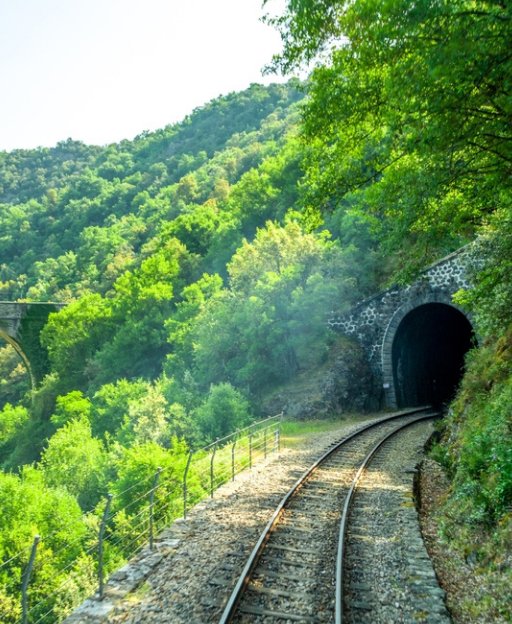
France rewards slow exploration. Cities are linked by fast TGV trains, regional towns by local services, and most major tourist destinations sit close to a station. You avoid motorway tolls, city-centre parking, and the challenge of navigating country roads in an unfamiliar hire car.
Trains also take you into the heart of towns. You arrive at Avignon station and walk to the Palais des Papes in ten minutes. You step off at Colmar and you’re already inside the old town. That convenience is hard to beat.
For American visitors, another advantage is comfort. Long-distance French trains have wide seats, air conditioning, onboard catering, and no luggage weight limits. You can bring everything you packed without paying extra.
The Three Types of French Train Service
France’s national rail operator is SNCF (Société Nationale des Chemins de Fer Français). It runs three categories of service, and knowing the difference helps you plan the right journey.
TGV — High-Speed Trains
The TGV (Train à Grande Vitesse) is France’s flagship rail service. These trains travel at up to 320 km/h on dedicated high-speed lines. They connect Paris to most major cities in a fraction of the time a car would take.
Some key journey times from Paris:
- Paris to Lyon: approximately 2 hours
- Paris to Marseille: approximately 3 hours
- Paris to Bordeaux: approximately 2 hours
- Paris to Strasbourg: approximately 1 hour 45 minutes
- Paris to Rennes: approximately 1 hour 30 minutes
- Paris to Nice: approximately 5–6 hours (sometimes with a change at Marseille)
TGV tickets require a seat reservation. If you travel with a rail pass, you still need to book a reservation for each TGV journey — this costs a small additional fee.
Intercités — Medium-Distance Services
Intercités trains connect cities and towns that the TGV network does not serve directly. They are slower than TGV trains but comfortable and reliable. You might take one from Nantes to Bordeaux, or from Paris to the Normandy coast.
TER — Regional Trains
TER (Transport Express Régional) trains serve smaller towns and villages within each region. They run frequently and reach destinations the high-speed network cannot. You take a TER from Avignon into the Luberon, from Colmar through the Alsace wine villages, or from Nice along the Côte d’Azur to smaller seaside towns.
On TER trains, you must validate your ticket before boarding using the orange machines on the platform. Failing to validate can result in a fine, even if your ticket is legitimate. This validation step is not required for TGV tickets booked online.
Planning Your France Trip?
Join 7,000+ France lovers and get weekly travel tips, hidden gems, and local inspiration — completely free.
Subscribe Free →Which Paris Station Do You Need?
Paris has several major railway stations, each serving a different part of France. Knowing which one to use saves time and confusion.
- Gare de Lyon — trains to the south and south-east: Lyon, Marseille, Nice, Provence, the Alps
- Gare Montparnasse — trains to the south-west and west: Bordeaux, Nantes, Rennes, Tours and the Loire Valley
- Gare de l’Est — trains to the north-east: Strasbourg, Alsace, Reims and the Champagne region
- Gare du Nord — Eurostar to London, Thalys to Brussels and Amsterdam, TGV to Lille
- Gare Saint-Lazare — trains to Normandy: Rouen, Caen, Cherbourg
All Paris stations connect to the Métro and RER, so getting between them is straightforward.
Rail Pass or Point-to-Point Tickets?
American visitors often ask whether to buy a Eurail France Pass or purchase individual tickets for each journey. The honest answer is: it depends on how you’re travelling.
When a Rail Pass Makes Sense
A Eurail France Pass works well if you plan to travel spontaneously, change your plans as you go, or make many journeys over a short period. You pay a set price for a fixed number of travel days within one or two months.
The catch is that seat reservations on TGV trains cost extra on top of the pass — typically around €10–20 per journey. These reservation fees add up quickly if you take several high-speed trains. Factor them in when comparing costs.
When Point-to-Point Tickets Are Better Value
If you have a fixed itinerary and book in advance, individual tickets usually cost less than a rail pass. SNCF releases discounted advance fares called Prem’s, and prices rise as the travel date approaches. Book two to three months ahead for the best deals on popular TGV routes.
Ouigo, SNCF’s low-cost service, runs on major routes at significantly reduced prices. Seats sell from around €10 on some journeys. The trade-off is that Ouigo trains sometimes depart from secondary stations outside city centres, and luggage is limited to one small bag unless you pay extra.
How to Book French Train Tickets
You have three main options:
- SNCF Connect (sncf-connect.com) — the official SNCF website. It covers all services including Ouigo and regional TER trains. The website and app work in English and accept most international credit cards.
- Rail Europe (raileurope.com) — a booking platform designed for international visitors. It offers the same SNCF fares and adds multi-country European itineraries if you plan to travel beyond France.
- Omio (omio.com) — a multi-operator platform useful for comparing trains, buses, and flights across France and Europe in one search.
Print your ticket or download it to your phone. Conductors scan tickets digitally on most services, and paper tickets are rarely required.
Practical Tips for Travelling France by Train
A few things to know before you travel:
- No luggage weight limits — unlike airlines, French trains impose no weight restrictions. You can bring full suitcases without paying extra.
- Onboard food — TGV trains have a bar carriage selling snacks, sandwiches, and drinks. Quality is basic but prices are reasonable. Bring your own food if you prefer.
- First class vs second class — first class offers wider seats and less crowding. The price difference is often modest on advance bookings. Second class is perfectly comfortable for most journeys.
- Station arrival time — arrive at least 15 minutes before departure for TGV trains. The gates close a few minutes before the train departs and they do not reopen.
- Wi-Fi — most TGV trains offer free Wi-Fi, though connectivity can be patchy in tunnels and rural sections.
- Children — children under four travel free. Children aged 4–11 qualify for reduced fares.
Getting from Paris to the Main French Regions by Train
Here’s a quick planning reference for the most popular visitor routes:
- Paris to the Loire Valley: Take a TGV from Gare Montparnasse to Tours or Blois (around 1 hour). You can then explore the châteaux by hire car, bike, or local bus. Read our Loire Valley road trip guide for more detail.
- Paris to Provence: Take a TGV from Gare de Lyon to Avignon (around 2 hours 35 minutes) or Marseille (around 3 hours). From Avignon, TER trains reach smaller Provence towns. See our Avignon travel guide for what to do on arrival.
- Paris to the French Riviera: Take a TGV from Gare de Lyon to Nice (around 5–6 hours) or fly into Nice and use regional trains along the coast. Read our French Riviera guide to plan your stops.
- Paris to Normandy: Take a train from Gare Saint-Lazare to Caen (around 2 hours) or Rouen (around 1 hour 20 minutes). Our Normandy travel guide covers the D-Day beaches and the rest of the region.
- Paris to Alsace: Take a TGV from Gare de l’Est to Strasbourg (around 1 hour 45 minutes) or Colmar (change at Strasbourg or Mulhouse). Read our Alsace wine route guide to plan your itinerary.
Frequently Asked Questions About Travelling France by Train
Do I need to book train tickets in France in advance?
For TGV high-speed trains, booking in advance is strongly recommended. Prices increase as the departure date approaches, and popular services sell out during busy periods. For regional TER trains, you can usually buy tickets at the station on the day of travel.
Is a rail pass worth buying for France?
A Eurail France Pass works best if you plan to travel spontaneously or make many journeys in a short time. If you have a fixed itinerary and book ahead, individual point-to-point tickets typically cost less than a pass, especially when you account for the TGV seat reservation fees that apply on top of the pass price.
Can I take my luggage on French trains?
Yes, and there are no weight limits on most French train services. You can bring full-sized suitcases without paying extra fees. Large luggage goes in the overhead racks or the dedicated luggage areas at the end of each carriage.
What is the cheapest way to travel by train in France?
Ouigo, SNCF’s low-cost service, offers the lowest fares on major routes, with prices starting from around €10 on some journeys. SNCF’s own Prem’s advance fares also offer significant savings over standard prices. Book as early as possible — typically two to three months ahead — for the best deals on either service.
Do French trains run on time?
TGV services have a generally good punctuality record. Regional TER trains can experience more delays, particularly in rural areas. SNCF publishes live departure information on the SNCF Connect app, which is worth downloading before your trip.
You Might Also Enjoy
- Paris vs Provence: Which Part of France Should You Visit First?
- 5 Days in Paris: A Complete Itinerary for First-Time Visitors
- Best Time to Visit France: A Month-by-Month Guide for American Travellers
Plan Your France Trip
Ready to start planning? Visit our France trip planning hub for guides on when to go, where to stay, and how to make the most of your time in France.
Join 7,000+ France Lovers
Every week, get France’s hidden gems, local recipes, and travel inspiration — the kind you won’t find in any guidebook.
Subscribe free — enter your email:
Love more? Join 64,000 Ireland lovers → · Join 43,000 Scotland lovers → · Join 30,000 Italy lovers →
Free forever · One email per week · Unsubscribe anytime
Tours & experiences you might love


Powered by Viator. Some links are affiliate links — we may earn a small commission at no extra cost to you.

Leave a Reply