
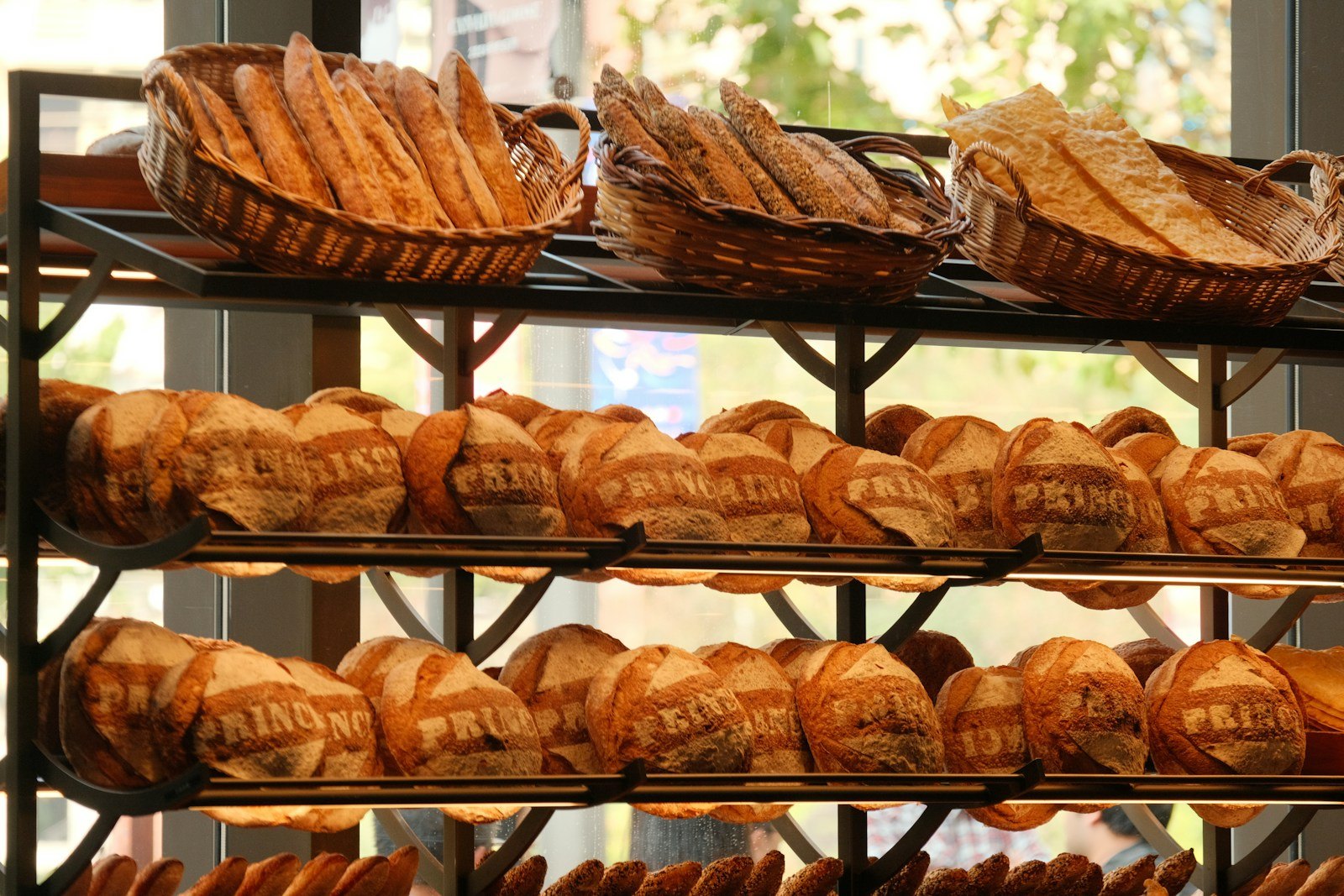
If you have ever imagined starting the day with a warm baguette tucked under your arm, a croissant still hot from the oven, and a coffee on a sun-warmed terrace, you are not alone. The daily trip to the boulangerie is one of France’s most enduring traditions — and one of the things that makes life there feel genuinely different.
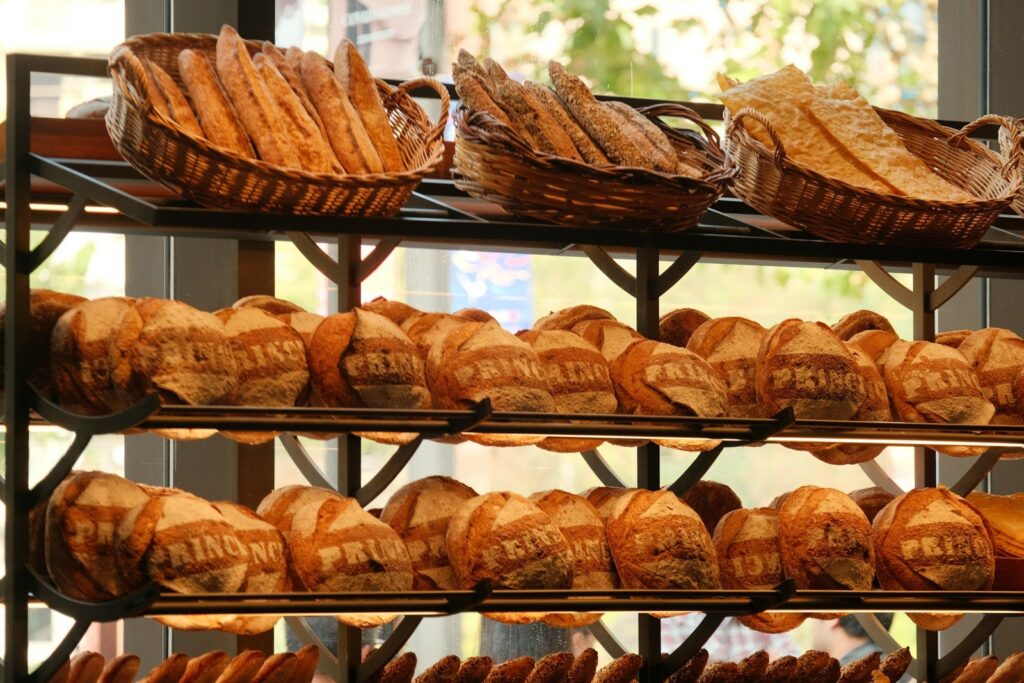
France has around 33,000 boulangeries. The law requires any establishment calling itself a boulangerie to bake its bread on the premises. That rule, brought in during the 1990s, means that almost everywhere you go in France, the bread is freshly made that morning, often twice a day. The smell of it is real, and it is hard to get used to leaving.
So the question becomes: where in France would you most want to make that your everyday life? Here are six towns and cities where the boulangerie culture runs deep — and where the rest of the town makes it worth staying.
🇫🇷 Discover the France Most Tourists Never Find
Get our free guide to 25 hidden villages of France — then join 7,000+ readers for weekly stories about places most guidebooks never mention.
Get Your Free Village Guide →Annecy, Haute-Savoie
Annecy sits at the northern end of a clear mountain lake, ringed by the Alps. The old town is a maze of pastel-painted houses and canal bridges, and on any given morning the boulangeries are busy long before most tourists have found their bearings.
The bread culture here blends standard French fare with the heartier traditions of Savoie. You will find pain de campagne alongside pain aux noix (walnut bread), both suited to the mountain climate. Croissants are taken seriously; the better boulangeries use local dairy butter, which makes a difference you can taste.
Practical note: Annecy is expensive by French standards, but not by comparison with similar towns in Switzerland across the border. A baguette tradition costs around €1.10 to €1.40. Markets run every Tuesday and Friday in the old town and complement the boulangerie well for morning shopping. The lake is swimmable from June to September, the hiking season runs from May through October, and the town functions year-round without the seasonal quiet that affects some tourist areas.
Dijon, Burgundy
Dijon is often overlooked by visitors in a hurry to reach the vineyards of the Côte de Nuits further south. That is their loss. The city has a compact, well-preserved medieval centre, a strong university population that keeps it lively, and a food culture rooted in one of France’s most serious wine-growing regions.
The boulangeries in Dijon tend toward the traditional. You will find excellent pain de seigle (rye bread), sourdough loaves, and pain viennois alongside the obligatory baguettes. Some boulangeries also stock a selection of viennoiseries — the category that includes croissants, pains aux raisins, and pains au chocolat — that would hold their own in Paris.
Dijon has direct TGV connections to Paris in around 90 minutes, which makes it practical for people who need to travel for work. Property prices are considerably lower than in major cities, and the surrounding countryside produces wine, mustard, and soft fruit that fill the local markets and shops.
Strasbourg, Alsace
Strasbourg is a city that belongs equally to two traditions. Bordering Germany and with a history that has placed it under French and German rule at different points, it has developed a food culture that draws from both sides. The result, in boulangerie terms, is genuinely interesting.
Alongside standard French breads, Strasbourg boulangeries often stock bretzel (the Alsatian pretzel — quite different from the supermarket kind), kougelhopf (a ring-shaped brioche-style bread with almonds and dried fruit), and various rye and mixed-grain loaves with Germanic roots. It is distinct from boulangeries in the south or west, and worth exploring on those terms.
The city is the seat of the European Parliament and has a strong professional population, which means it functions well as a place to live rather than merely a place to visit. The tram system is excellent. Winters are cold, but the Christmas markets, which run from late November, are among the most established in Europe.
Want more on living and travelling in France? Subscribe to our free newsletter — delivered every week, no spam.
Aix-en-Provence
Aix-en-Provence runs at a different pace from much of France. This is a university city with deep cultural roots — Paul Cézanne was born here, and the Montagne Sainte-Victoire he painted repeatedly is visible from the outskirts of town. Outdoor markets run most mornings on the Cours Mirabeau and in the Place Richelme, and the town has a justified reputation for living well.
The boulangeries in Aix are numerous and competitive. Because the town attracts both a local population and a significant number of visitors, standards are generally high. You will find excellent fougasse — a Provençal flatbread made with olive oil, sometimes studded with olives, herbs, or lardons — alongside the usual baguettes and pastries. The climate is warm from April through October, and even the winters are mild by northern European standards.
The main drawback is cost: Aix is one of the more expensive places to live in Provence, and property prices reflect its popularity. For a holiday base or a longer stay, however, it is hard to fault the quality of daily life — particularly if a morning walk to the boulangerie is part of the plan.
Bayonne, Pays Basque
Bayonne sits at the point where the Adour and Nive rivers meet, close to the Spanish border and the Atlantic coast. It is the unofficial capital of the French Basque Country and has a strong, distinct identity — the Basque language appears on street signs alongside French, and the local food culture is emphatically its own.
In the boulangeries here, you are as likely to find gâteau Basque — a dense pastry filled with cream or cherry jam — as a standard croissant. The bread itself tends toward the rustic and substantial. Bayonne is also one of the main centres for French chocolate production (it has been processing cacao since the 17th century), and chocolatiers line the streets of the Grand Bayonne quarter.
Bayonne is less visited than Biarritz, its more glamorous neighbour, which keeps prices more manageable. The town has good rail connections toward Bordeaux and into Spain. Summers bring the famous Fêtes de Bayonne, five days of festivities that the town takes seriously.
Périgueux, Dordogne
Périgueux is the capital of the Périgord, a region that takes its food culture further than almost anywhere else in France. Truffles, duck confit, foie gras, walnuts, and Bergerac wine are all local products. The boulangeries, perhaps unsurprisingly, bake to match.
Walnut bread is a staple here, as are breads incorporating duck fat in place of butter — unusual, but worth trying. Pain aux noix et figues (walnut and fig bread) appears regularly. The town itself is quiet and not particularly fashionable, but that is part of what keeps it affordable. For people who want rural France without complete isolation, Périgueux is a reasonable base: a city of around 30,000 people, with markets three times a week, a Romanesque and Gothic cathedral, and enough infrastructure to make daily life practical.
What to Know Before You Go
Opening hours: Most French boulangeries open between 6:30am and 7:30am. Many close for two hours at lunchtime. A significant number close one or two days a week — often Monday. In smaller villages, this matters; check the local closing day before you rely on a particular boulangerie.
What to order: A standard baguette (baguette tradition if you want the slightly chewier, artisan version) costs between €1.10 and €1.50. Croissants range from €1.20 to €2.00 depending on the establishment. If the croissant shatters when you bite it and leaves flakes on your shirt, it is made with proper butter. If it is soft and doughy, it is likely made with margarine.
The Meilleur Ouvrier de France: Some boulangeries carry this title or display awards from local competitions. These are worth noticing — the standards are rigorous, and the difference in quality is usually apparent.
Regional variation: French bread is not uniform. The baguette is universal, but what else appears in a boulangerie depends heavily on where you are. Paying attention to regional specialities — pain de seigle in Burgundy, kougelhopf in Alsace, fougasse in Provence — is one of the more reliable ways to understand a place through its food.
Which of these towns suits you best depends on what else you want from a longer stay in France: mountains or coast, urban energy or rural quiet, warm summers or four distinct seasons. But in all of them, the morning starts the same way — with bread worth walking to.
Enjoyed this? Subscribe to our free France newsletter — new ideas and practical guides every week.
Tours & experiences you might love


Powered by Viator. Some links are affiliate links — we may earn a small commission at no extra cost to you.

Leave a Reply