
France has over 5,500 kilometres of coastline stretching from the English Channel to the Mediterranean, and the Atlantic coast in between. That is a lot of seafood. The question of which coastal town serves it best is one that French people argue about with genuine passion — and visiting all the contenders is a very good excuse to explore the country.
This guide covers the strongest cases: Marseille, Arcachon, and several others that deserve to be in the conversation. Each has a distinct character, a local speciality, and a reason to make the trip.
🇫🇷 Discover the France Most Tourists Never Find
Get our free guide to 25 hidden villages of France — then join 7,000+ readers for weekly stories about places most guidebooks never mention.
Get Your Free Village Guide →Marseille: Bouillabaisse and the Vieux-Port
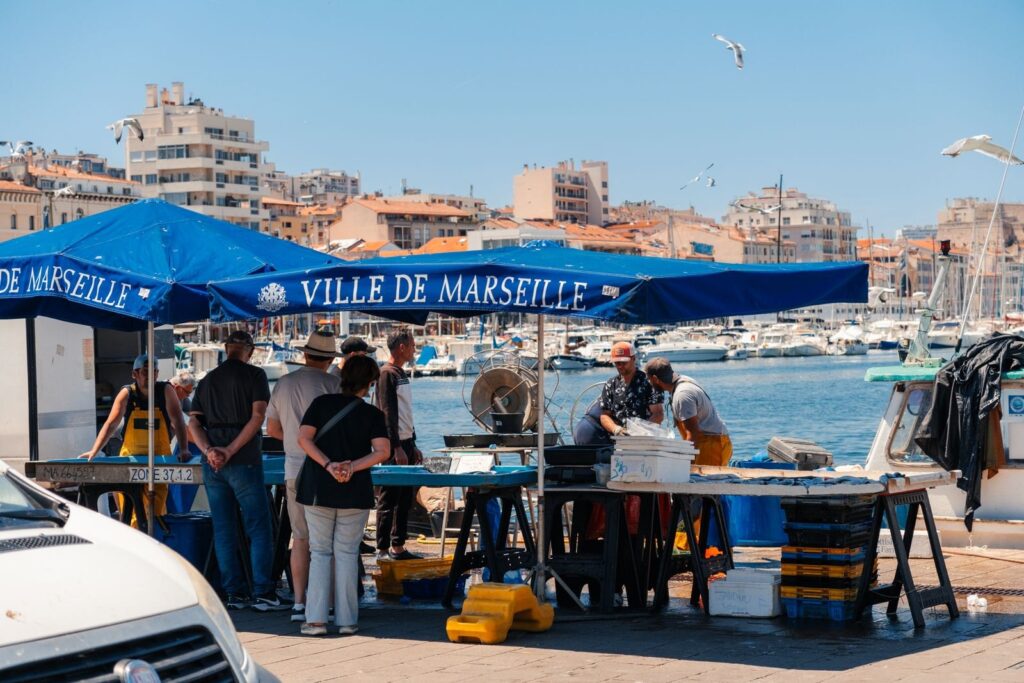
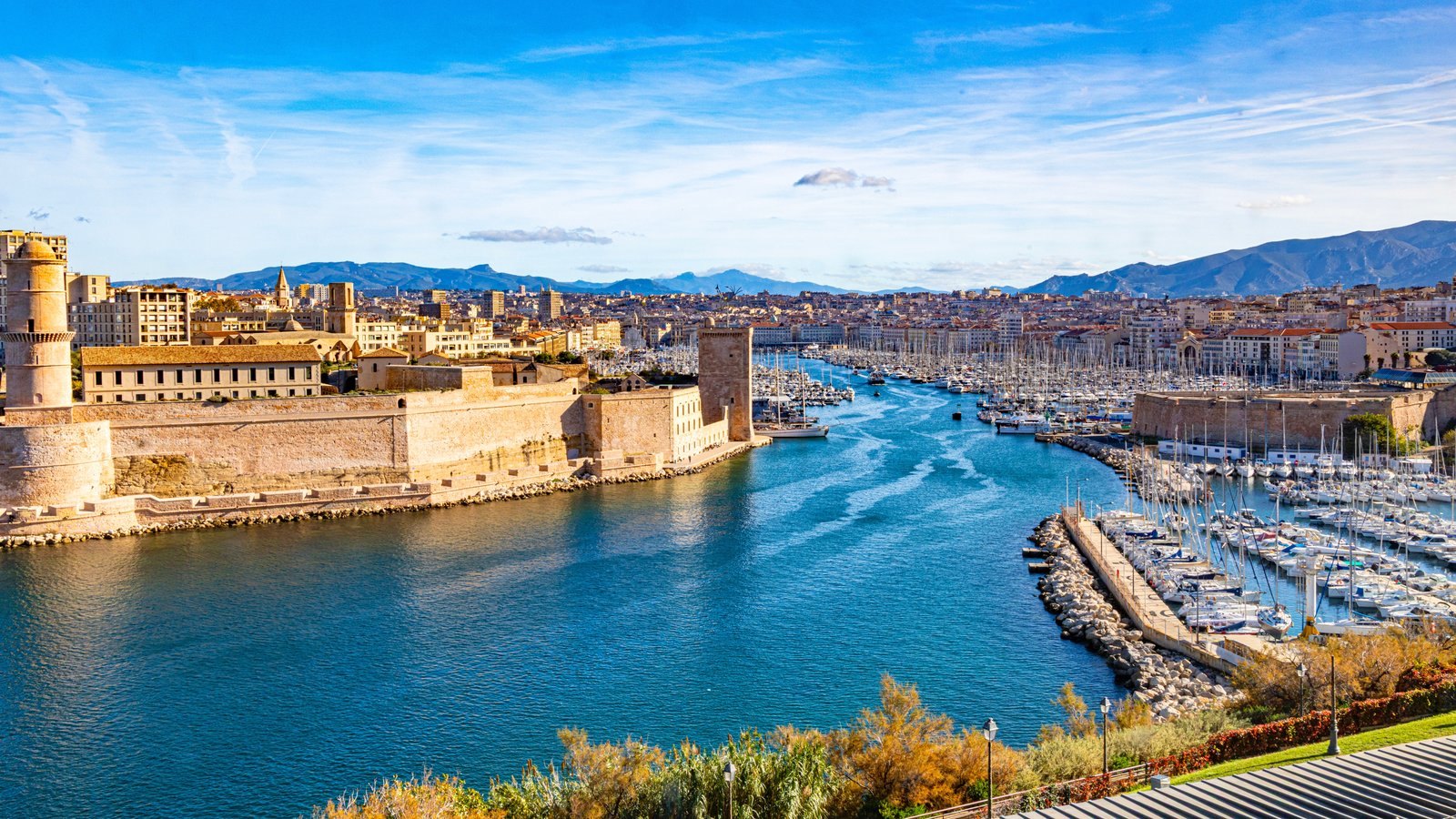
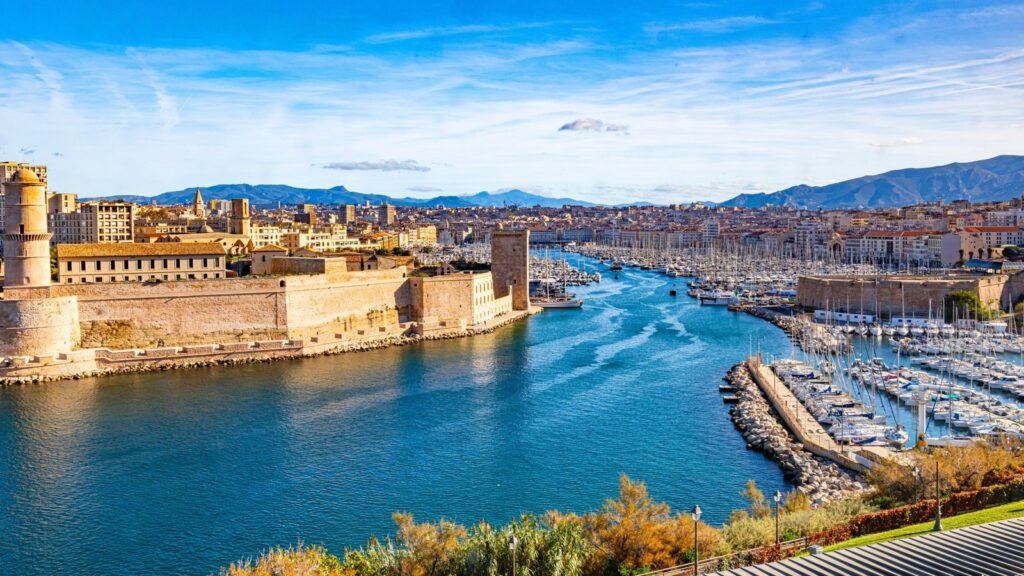
Marseille is France’s oldest city and its largest port. Seafood here is not a tourist attraction — it is part of daily life. The Vieux-Port (Old Port) still receives fishing boats each morning, and the criée (fish auction) at the nearby port of Saumaty supplies restaurants across the city.
The dish most associated with Marseille is bouillabaisse. The word comes from the Provençal bolhabaissa — to boil and then lower the heat. It started as a cheap fisherman’s meal made from whatever was left unsold, including rockfish, conger eel, and John Dory. Today it is a protected recipe. In 1980, a group of Marseille chefs signed the Bouillabaisse Charter, specifying exactly which fish must be included: rascasse (scorpionfish), grondin (gurnard), saint-pierre (John Dory), vive (weever), and monkfish at minimum.
Expect to pay €50–€80 per person for a proper bouillabaisse. That includes the broth served first with rouille (a garlicky, saffron-tinged mayonnaise) on grilled bread, then the fish served separately. Budget versions exist, but they cut corners on the fish. Places like Chez Fonfon and Le Miramar in the Vallon des Auffes district stick to the charter and are worth the price.
Beyond bouillabaisse, Marseille’s markets are excellent. The daily fish market on the Quai des Belges has been running since the 18th century. Vendors sell sea urchins, tellines (tiny clams), and whole fish directly off the boats. If you arrive early — before 9am — you will have first pick.
Arcachon: Europe’s Oyster Capital
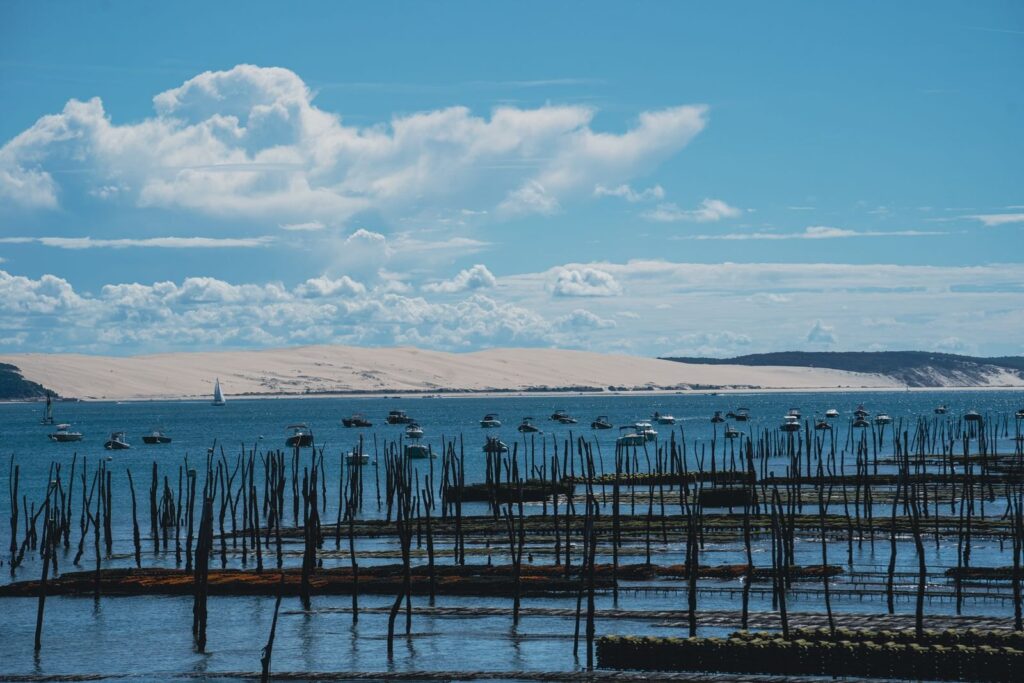
Arcachon sits on a sheltered basin on the Atlantic coast of the Gironde department, about an hour south of Bordeaux. The Bassin d’Arcachon covers around 155 square kilometres and is one of the most productive oyster-farming areas in Europe. Around 10,000 tonnes of oysters are harvested here each year, supplying restaurants and supermarkets across France and beyond.
Arcachon oysters taste clean and briny, straight from the basin. Many locals eat them with a squeeze of lemon and nothing else. Others add a mignonette of shallot and red wine vinegar. The cabanes (oyster huts) along the basin’s edge sell directly to the public, often for a fraction of what restaurants charge. The village of Gujan-Mestras has the highest concentration of cabanes and is worth visiting specifically for this.
Arcachon also benefits from proximity to the Landes pine forests, which means local menus often pair seafood with regional produce — porcini mushrooms, duck fat, and Sauternes wine. The combination of Atlantic shellfish and inland Gascon cooking makes this corner of France distinctive.
Practical note: oyster season in Arcachon runs year-round, but summer is the busiest period. If you want a quieter visit, September and October offer good weather and fewer crowds, and the oysters are excellent after spawning season.
Join thousands of France lovers — subscribe free →
Cancale: Brittany’s Oyster Shore
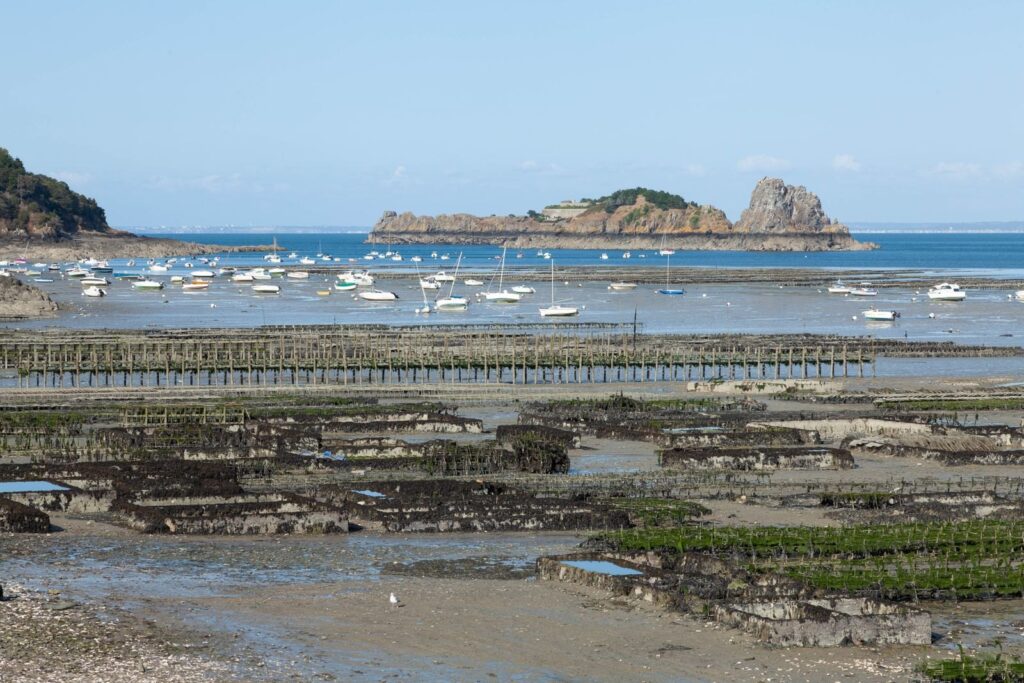
Cancale, on the northern coast of Brittany near Mont-Saint-Michel, is the other town that could legitimately claim the title of France’s oyster capital. The beds here produce flat Belon oysters and the more common cupped variety, all raised in the fast-moving tidal currents of the bay.
The Marché aux Huîtres on the Pointe de la Chaîne is one of the most straightforward seafood experiences in France. You buy oysters by the dozen directly from the stalls, open them on the spot, and eat them standing up, throwing the shells back into the sea. A dozen costs €6–€9. It is unpretentious, quick, and very good.
Cancale’s position on the Baie du Mont-Saint-Michel also means excellent langoustines, scallops (coquilles Saint-Jacques), and whelks. The town has several proper restaurants along the harbour if you want a sit-down meal, with Le Coquillage — part of chef Olivier Roellinger’s operation — holding a strong reputation for local ingredients cooked without excess.
La Rochelle: Variety on the Atlantic
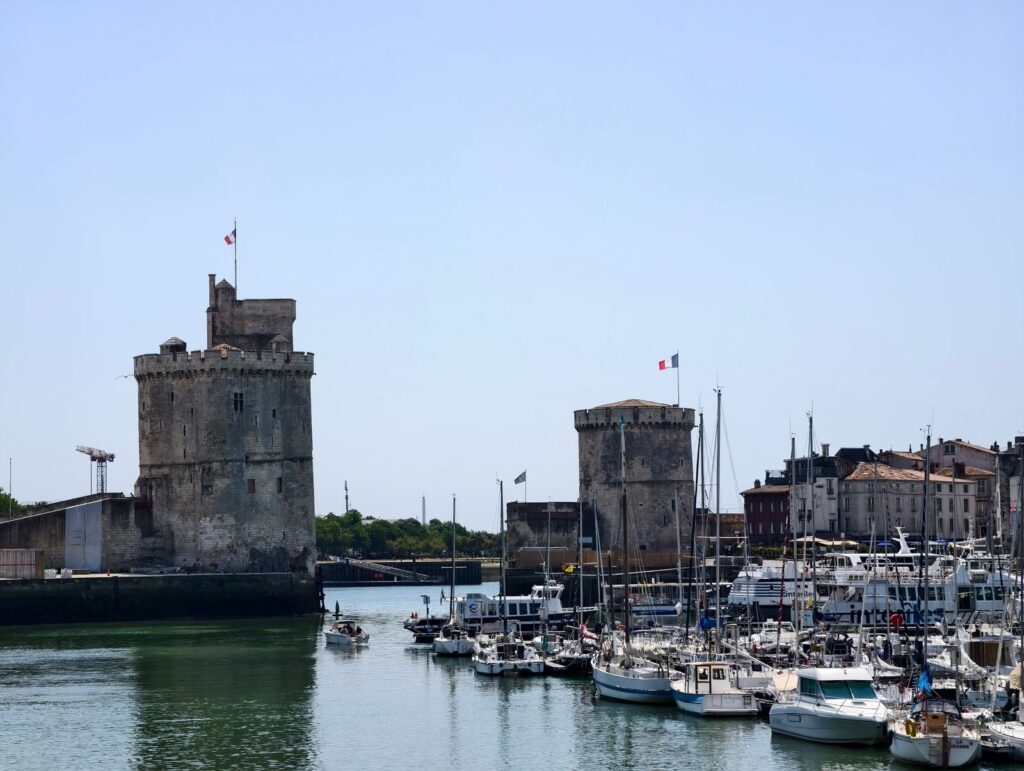
La Rochelle, on the Charente-Maritime coast, is a working port with a well-preserved old town. It does not specialise in one ingredient the way Cancale does with oysters or Arcachon does with its farmed shellfish. Instead, it offers variety: mussels from the mussel farms of the Aiguillon Bay, Marennes-Oléron oysters from nearby Oléron Island, and whatever the day boats bring in — sole, sea bass, turbot, and cuttlefish.
The covered market, Les Halles, is a practical starting point. Fish stalls open from Tuesday to Sunday, and the vendors will tell you what came in that morning. Outside the market, the restaurants along the quays near the Old Harbour range from reliable to excellent. Look for places with handwritten daily specials rather than laminated menus — that usually means fresh product.
Éclade de moules is a local speciality worth knowing about. Pine needles are packed around mussels and set alight; the brief, intense smoke gives the mussels a flavour you do not get from steaming. It is not always on restaurant menus — it is more of a home cooking and festival dish — but asking about it is a good way to start a conversation with a local.
Biarritz and the Basque Coast
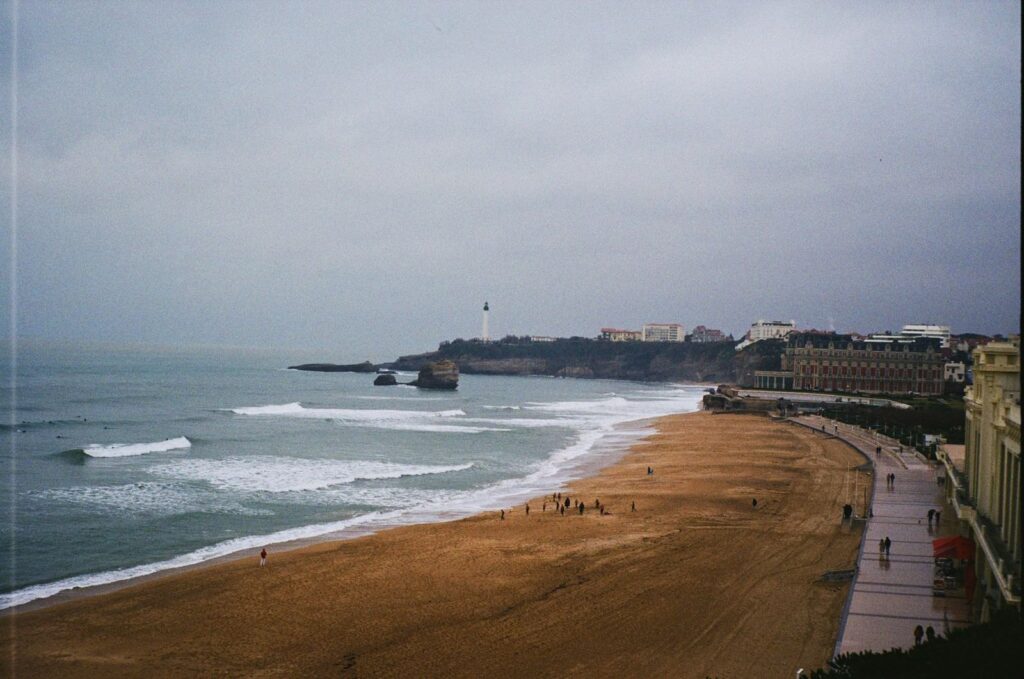
Biarritz gets attention mainly as a surf destination, but its position on the Basque coast means access to some of the best fish in France. The Basque fishing tradition is old and specific: the port of Saint-Jean-de-Luz, just south of Biarritz, was one of the first to pursue Atlantic tuna and cod in the 16th century.
Today, the fish market in Saint-Jean-de-Luz is one of the liveliest on the Atlantic coast. Albacore tuna, bonito, and anchovy are caught here. Anchovies from the Basque Coast — particularly from Hendaye — are considered among the best in Europe and are used extensively in the local cooking. The port’s restaurants are busy year-round with locals, which is usually a reliable indicator of quality.
Biarritz itself has a smaller fish market (Les Halles de Biarritz) and a handful of serious seafood restaurants. The combination of Basque ingredients — piperade, Espelette pepper — with fresh Atlantic fish produces a regional cuisine quite different from anything you will find in Marseille or Brittany.
How to Choose Where to Go
The honest answer is that the best French coastal town for seafood depends on what you want to eat. Here is a quick summary:
- For bouillabaisse and Mediterranean fish: Marseille
- For oysters and Atlantic shellfish farmed in a sheltered basin: Arcachon
- For flat oysters eaten on the shore: Cancale
- For variety and a working port atmosphere: La Rochelle
- For anchovy, tuna, and Basque-inflected cooking: Saint-Jean-de-Luz and Biarritz
Budget also matters. Marseille is not cheap once you get into proper bouillabaisse territory. Cancale’s standing oyster market is one of the best-value seafood experiences in France. Arcachon’s cabanes are similarly affordable if you buy direct rather than in a restaurant.
Timing matters too. Scallop season runs from October to May in most of France. Oysters are eaten year-round but are at their firmest and most flavourful in the cooler months. Summer brings crowds to all these towns, which pushes prices up and tables harder to book. May, June, September, and October are generally the best months for a seafood-focused visit.
A Note on Freshness
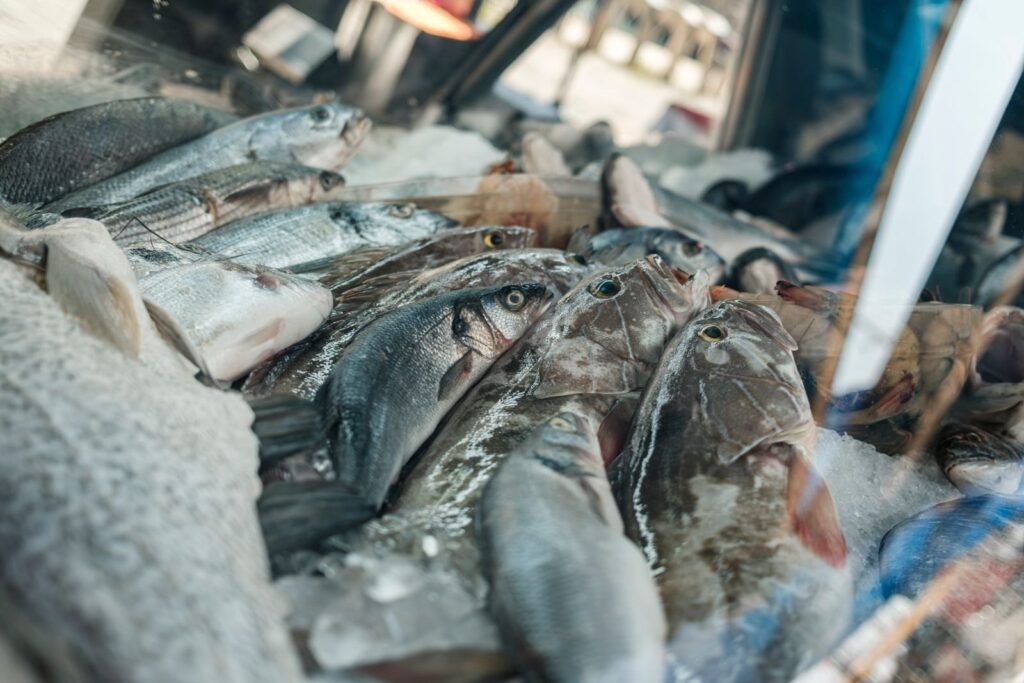
One thing France does well across all its coastal towns is proximity — between the boat, the market, and the plate. In many places, what you eat for lunch was in the sea that morning. This is not marketing copy; it is the structure of how fish is sold and distributed in France, which still relies heavily on direct relationships between fishermen, market vendors, and local restaurants.
If you are uncertain about a restaurant, look for one that changes its menu daily. A rotating menu is a sign that the kitchen is working with whatever is fresh that day rather than sourcing from a central wholesaler. This is not a guarantee of quality, but it is a useful indicator.
France’s coastal towns have been feeding people well for centuries. The argument about which one is best has no final answer — and that is probably the point. The conversation itself is an invitation to keep going back.
Subscribe to Love France newsletter — it’s free →
Tours & experiences you might love


Powered by Viator. Some links are affiliate links — we may earn a small commission at no extra cost to you.

Leave a Reply