
Cognac France Guide: Everything You Need to Know Before You Visit
The town of Cognac sits quietly along the Charente river in south-western France, and most visitors who pass through western France never think to stop. That is a mistake. This small riverside town produces one of France’s most celebrated exports, a spirit that cognac houses have aged in dark oak barrels here for centuries. Beyond the famous brandy, Cognac offers medieval streets, river boat trips, a clutch of world-class château distilleries, and easy access to one of the least-visited wine regions in France. This cognac France guide covers everything you need to plan a visit — from which distilleries to tour, where to eat and sleep, and how to combine Cognac with the surrounding Charente region.
Love France Weekly
Get insider guides to France’s most overlooked regions — delivered to your inbox each week. Join 60,000+ readers who plan better France trips with us.
Get the Free Newsletter →What Is Cognac and Why Does It Come From Here?
Cognac is a type of brandy — a spirit distilled from white wine and then aged in French oak barrels. The law protects the name geographically: only brandy that producers make in the defined Cognac region, using particular grape varieties and traditional double-distillation methods, can legally carry the Cognac label. The region’s unique combination of chalky soils, the gentle Charente river, and maritime air from the Atlantic creates ideal conditions, both for growing the Ugni Blanc grapes used in production and for the slow maturation that happens in the barrel cellars.
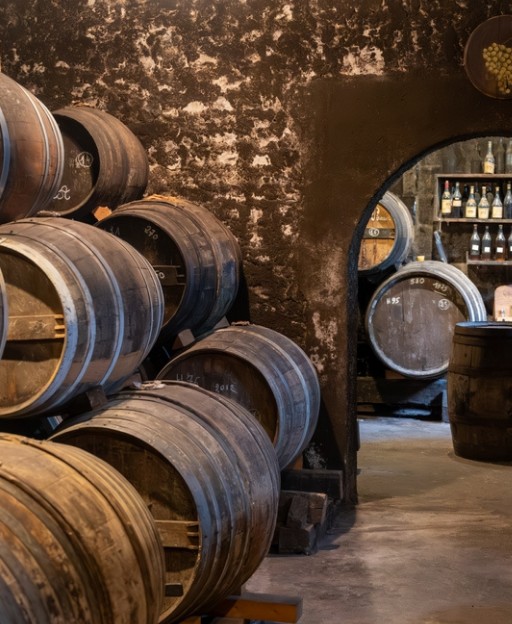
The Charente region has been producing this spirit commercially since the 17th century, when Dutch traders discovered that twice-distilling the local wine made it easier to ship and that it tasted extraordinary after resting in oak. The major houses — Hennessy, Rémy Martin, Martell, Courvoisier — still dominate the town today, their logos visible across the river front, their barrel warehouses scenting the air with what locals call the “angel’s share.”
Free Charente Road Trip Planner
Download our free road trip planner covering Cognac, Saintes, Angoulême, and the Charente river valley — with driving routes, stop suggestions, and local tips.
Get the Road Trip Guide →The Best Distilleries to Visit in Cognac
Every major house in Cognac offers guided tours, and a good tour is genuinely one of the best things you can do here. You will walk through the cellars, learn how the distillery makes the spirit, and taste the finished product. The experience differs significantly between houses, so it is worth choosing based on what you want from the visit.
Hennessy
Hennessy is the largest cognac producer in the world and offers the most theatrical tour experience. The visit includes a boat crossing of the Charente river to reach the barrel warehouses, a well-designed museum charting the history of the house, and several tasting options. It is the most tourist-ready of all the distilleries and a good choice for first-time visitors.
Rémy Martin
Rémy Martin sits slightly outside the town centre but offers arguably the most immersive tour of any of the main houses. Their visits focus heavily on the terroir — the vineyards, the chalk soils, the way the spirit changes across the six official growing zones. They offer a range of experiences from standard visits to private masterclasses.
Martell
Martell is the oldest of the major cognac houses, founded in 1715, and their cellars are the closest to the town centre. The tour is slightly more understated than Hennessy’s, which suits visitors who want a quieter, more historically focused visit. Their library of vintage cognacs is extraordinary.
Courvoisier
Courvoisier is based not in Cognac itself but in the nearby town of Jarnac, about twelve kilometres east along the river. Their tour draws strong reviews and you can easily combine it with a drive along the Charente to make a full day out of it.
For a contrast to the grand houses, consider visiting one of the smaller independent producers in the surrounding countryside. The Cognac region has hundreds of small family operations — artisan distillers who produce limited quantities and offer more personal visits, often with a direct chat with the maker over a glass in the courtyard.
What to See in Cognac Town
The town itself is worth a proper half-day of exploring. Begin at the medieval old quarter, which runs up from the riverbank in a series of cobbled streets and half-timbered buildings. The old town has a pleasantly lived-in quality — this is not a place preserved purely for tourists but a real provincial French town that happens to sit at the heart of a world-famous industry.
The Château de Cognac, a medieval castle built above the Charente, is where François I of France was born in 1494. The castle now belongs to the Otard cognac house, which opens it to visitors as part of a distillery tour. The combination of genuine medieval history and working cognac cellars makes it one of the most atmospheric visits in the entire region.
The Musée d’Art et d’Histoire de Cognac in the town centre holds a strong collection tracing the history of the cognac trade alongside exhibits on local archaeology and fine art. The curators do a good job with the layout and it gives useful context before your distillery tours. Entry costs nothing.
The riverside quays, lined with merchant houses that once handled the cask trade, make a pleasant evening walk. Across the river you can see the black staining on the old warehouse buildings — a fungus that feeds on the evaporating spirit causes that blackness, leaving a visible mark of centuries of cognac production.
Day Trips from Cognac in the Charente Region
Cognac is ideally placed for exploring the wider Charente region, which is among the least-visited départements in France despite having some of its most impressive historic sites. It pairs naturally with a train journey through south-western France or as part of a road trip from the Loire Valley heading south towards Bordeaux.
Saintes
Saintes is thirty minutes south-west of Cognac and was once one of the most important cities in Roman Gaul. The Roman amphitheatre dates from the first century AD and still hosts summer concerts today. The Arc de Germanicus — a triumphal arch spanning the ancient road — and the Abbaye aux Dames, a Romanesque abbey that a major restoration programme brought back to life, make Saintes worth a full day. The town is almost entirely absent from the standard France tourist trail, which means you can wander freely without the crowds.
Angoulême
Forty-five minutes north-east of Cognac, Angoulême is a fortified hilltop town with remarkable medieval ramparts, a striking Romanesque cathedral, and a strong creative identity built around its annual international comics festival. The views from the ramparts over the Charente valley are excellent. It is a confident, interesting French regional city that repays a half-day visit.
The Charente River Valley
Between Cognac and Angoulême, the Charente river winds through a gentle valley of limestone cliffs, watermill villages, and cognac vineyards. The D699 road follows the river closely and makes an excellent self-drive route. Stop at Bassac, where a 10th-century Benedictine abbey still functions, or at Châteauneuf-sur-Charente for a look at the imposing château above the village.
Where to Eat in Cognac
The Charente has its own culinary identity, distinct from the better-known Périgord and Bordeaux traditions. Snails prepared with local butter and herbs are a regional staple. The Charente-Maritime coastline to the west supplies excellent oysters and mussels. Local charcuterie, particularly the coarse-cut pâtés from small producers, is worth seeking out.
In Cognac town itself, the market on Place du Canton on Tuesday and Saturday mornings is the best introduction to local produce. The covered market hall in the centre of town has a handful of stalls selling cheese, charcuterie, and seasonal vegetables.
For restaurants, the old town quarter has a reasonable selection of traditional French bistros. For a more elevated meal, several of the major distilleries have opened their own dining rooms in recent years, particularly for guests on premium tasting experiences. It is worth checking in advance if you want to combine a distillery visit with lunch on site.
Where to Stay in Cognac
The town has a small but good-quality selection of hotels and chambres d’hôtes. For a comfortable central base, the Hôtel Chais Monnet — a former cognac chai (warehouse) converted into a design hotel — is the most atmospheric option in the town and doubles as a spa and restaurant. For budget-conscious visitors, a handful of traditional two-star hotels near the old town offer decent value.
The surrounding countryside offers excellent chambres d’hôtes accommodation in old farmhouses and vineyard properties. Staying at one of these gives you a very different sense of the region — quiet evenings in vine country, breakfast in a courtyard, and easy access to the rural distilleries that the town-centre tours cannot match for intimacy.
Frequently Asked Questions About Visiting Cognac France
Do I need to book distillery tours in advance?
Yes, particularly in summer. The major houses — Hennessy, Rémy Martin, Martell — all take online bookings and popular time slots fill up weeks ahead between June and September. For shoulder season visits (April–May or October), walk-in visits are more feasible but it is still advisable to book a day or two ahead. Small independent producers rarely require advance booking and welcome drop-in visitors.
How do I get to Cognac from Paris?
The fastest route from Paris is by TGV to Angoulême (approximately two hours) followed by a regional train to Cognac (around thirty minutes). Total journey time is under three hours with a good connection. Driving from Paris takes around four hours on the A10 motorway. There is no direct motorway to Cognac, so the final section from Saintes or Angoulême runs on regional roads.
What is the best time of year to visit Cognac?
Late September and October is the finest time to visit. The vendange (grape harvest) takes place across the Cognac vineyards from late September, making the landscape active and atmospheric. The weather remains warm and dry into early October, the tourist crowds have thinned, and the distilleries are in full operation. Spring — April and May — is also excellent for the countryside. Summer is busy but manageable. Winter visits are quiet and the distilleries remain open, though the landscape is dormant.
Is Cognac suitable for visitors who don’t drink alcohol?
Largely yes. The town itself, the riverside, the Château de Cognac, the Musée d’Art et d’Histoire, and the surrounding Charente region are all worthwhile independently of the spirit. Several distilleries now offer non-alcoholic alternatives during tasting sessions — flag this preference when you book.
Can I combine Cognac with a visit to Bordeaux?
Very easily. Cognac is approximately one hour from Bordeaux by car or train. The two make a natural pairing for a south-western France trip, with Bordeaux providing the big-city experience, the famous wine châteaux, and the Atlantic coastline, and Cognac offering a quieter, more intimate portrait of French rural life and craft production. See our Bordeaux travel guide for full details on combining the two.
Plan Your France Trip with Love France
Every week we send practical, honest guides to help you travel France better — from the famous regions everyone visits to the places only regulars know. Join 60,000+ readers planning their next trip.
Join the Free Newsletter →Tours & experiences you might love


Powered by Viator. Some links are affiliate links — we may earn a small commission at no extra cost to you.

Leave a Reply