
Bordeaux Wine Region Guide: Everything You Need to Know Before You Visit
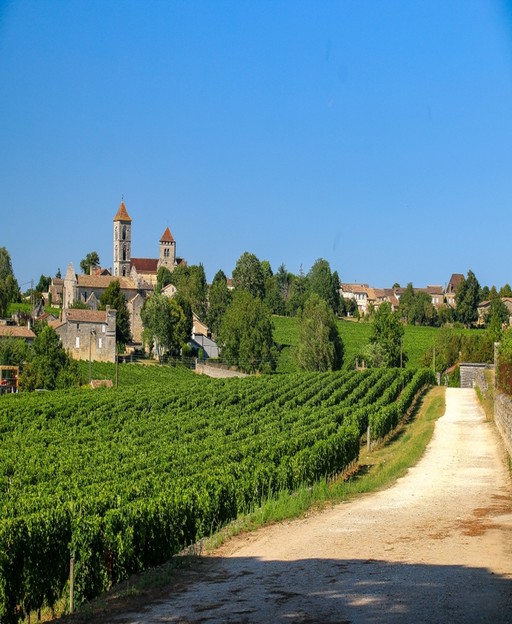
The Bordeaux wine region is one of the most rewarding places to visit in all of France. It is not just about wine, though wine is everywhere here. It is about châteaux rising above golden vines, medieval villages perched on limestone hills, and long lunches that stretch into the afternoon. Whether you are a serious wine enthusiast or simply someone who enjoys beautiful countryside, this Bordeaux wine region guide will help you plan a trip you will not forget.
Love France? Join 7,000+ readers on our free newsletter → lovetovisitfrance.substack.com
What Makes the Bordeaux Wine Region Special?
Bordeaux sits in southwestern France, about two hours south of the Loire Valley and an hour north of the Pyrenees. The region centres on the city of Bordeaux itself, which sits on the Garonne River. From there, the vineyards spread in every direction.
The region divides into two broad halves. On the Left Bank, you find the famous Médoc peninsula — home to Pauillac, Margaux, and Saint-Julien. These appellations produce the bold, Cabernet Sauvignon-led wines that built Bordeaux’s international reputation. On the Right Bank, Saint-Émilion and Pomerol dominate. Here, Merlot takes the lead, producing wines that tend to be rounder and more approachable.
Between these two banks, Sauternes produces its legendary sweet white wines from grapes affected by noble rot. Graves offers elegant dry whites alongside serious reds. Entre-Deux-Mers, the large zone between the Garonne and Dordogne rivers, makes crisp, everyday whites that pair beautifully with the local seafood.
🇫🇷 Free: The Perfect Provence & South of France Road Trip
A free 10-day itinerary covering Avignon, the Luberon villages (Gordes, Roussillon, Bonnieux), Marseille, Cassis, Aix-en-Provence, and the Camargue — with practical route notes most travel guides leave out.
Get the Free Itinerary →The City of Bordeaux
Most visitors start in the city of Bordeaux, and for good reason. The city centre is a UNESCO World Heritage Site, and its 18th-century architecture is genuinely stunning. The Place de la Bourse, reflected in the famous Miroir d’Eau water feature, is one of the most photographed spots in France.
Getting Around the City
The city is very walkable. The main shopping street, Rue Sainte-Catherine, runs for nearly a kilometre through the old town. The cathedral of Saint-André, where Eleanor of Aquitaine married the future King Louis VII of France, stands at the heart of the medieval quarter.
Developers have transformed the riverfront in recent years. The old docklands now house restaurants, wine bars, and the Cité du Vin — a spectacular wine museum shaped like a decanter. If you have any interest in wine culture, the Cité du Vin deserves at least half a day.
Where to Eat and Drink in Bordeaux City
The Marché des Capucins is the city’s main covered market. Go on a Sunday morning, when it is at its liveliest. You can eat oysters with a glass of Sauternes at a market stall — a very Bordelais combination. The Saint-Pierre neighbourhood has dozens of wine bars and bistros. Many offer by-the-glass pours of wines from across the region, which is the perfect way to explore different appellations without committing to a full bottle.
Saint-Émilion: The Region’s Most Beautiful Village
Saint-Émilion is about 40 minutes east of Bordeaux by car or train. It is one of the most beautiful villages in France, full stop. The town sits on a limestone escarpment, and beneath it runs a network of tunnels and caves used for centuries to age wine. The monolithic church — carved directly into the rock — is unlike anything else in France.
Visiting Saint-Émilion Châteaux
The vineyards here produce some of the most sought-after wines in the world. Châteaux Pétrus, Cheval Blanc, and Ausone command extraordinary prices, but you do not need a big budget to enjoy Saint-Émilion. Many smaller châteaux welcome visitors for free or low-cost tastings. The local tourist office maintains a list of estates open to visitors without an appointment.
Walk the vineyards in the morning before it gets too warm. The views across the vines to the Dordogne valley below are extraordinary. In September and October, you may even see the grape harvest in progress — vendors in the village sell fresh grape juice pressed from the same grapes that will become next year’s grands crus.
The Médoc: Prestige Châteaux and Long Straight Roads
The Médoc peninsula extends north of Bordeaux along the western bank of the Gironde estuary. The landscape here is different from Saint-Émilion. It is flat and open, with grand châteaux set back from long avenues of plane trees.
The Route des Châteaux
The D2 road through the Médoc is known as the Route des Châteaux. Drive it slowly and you will pass some of the most famous wine estates on earth: Mouton Rothschild, Lafite Rothschild, Cos d’Estournel, Ducru-Beaucaillou. Most require advance booking for visits, so plan ahead.
The village of Margaux gives its name to one of the most famous appellations in Bordeaux. Château Margaux itself offers guided tours, but you need to book months in advance. For a more relaxed experience, the village of Pauillac has a good wine information centre where you can taste wines from multiple châteaux in a single visit.
Lamarque and the Blaye Ferry
A lovely detour from the Médoc is to take the small car ferry from Lamarque across the Gironde estuary to Blaye. Blaye is a fortified citadel town built by Vauban in the 17th century. The crossing takes about 20 minutes and gives you a wonderful view back across the estuary to the Médoc vineyards. From Blaye, you can drive south through the Côtes de Bordeaux back towards the city.
Sauternes: France’s Greatest Sweet Wines
The Sauternes appellation lies about 40 kilometres southeast of Bordeaux. The wines produced here — made from grapes affected by a beneficial mould called botrytis cinerea — are unlike anything else in the wine world. They are intensely sweet but balanced by high acidity. They can age for decades.
Château d’Yquem is the undisputed king of Sauternes, and the only premier cru supérieur in the region. Visits require advance booking and a willingness to spend. But many other châteaux in the area offer excellent value and fascinating tours. The village of Sauternes is tiny and unhurried. The local fromagerie sells Roquefort, which pairs brilliantly with a glass of Sauternes — the classic local combination of sweet wine and salty cheese.
Practical Information for Visiting Bordeaux Wine Region
Best Time to Visit
Late spring (May and June) and early autumn (September and October) are the best times. Summer is busy and can be very hot. Harvest season in September and October is particularly exciting — the châteaux are active, the countryside is golden, and the energy in the region is infectious. Avoid August if you can, as many smaller châteaux close for family holidays.
How to Get There
Bordeaux has an international airport with direct flights from the US (via hub connections) and from many European cities. The high-speed TGV train from Paris takes just over two hours. If you are combining Bordeaux with other parts of France, a hire car gives you the most flexibility once you arrive.
Do You Need a Car in the Bordeaux Wine Region?
For the city itself, no. The tram system is excellent and covers all the main sights. But for exploring Saint-Émilion, the Médoc, and Sauternes, a car is almost essential. Several companies offer guided wine-tour day trips from the city if you prefer not to drive — and this is a wise choice if you plan to taste wine throughout the day.
Frequently Asked Questions About Bordeaux
How many days do you need in the Bordeaux wine region?
Three to four days gives you time to explore the city properly and visit two or three of the main wine areas. If you want to go deeper — including smaller appellations like Fronsac, Bourg, or the Côtes de Bordeaux — allow a full week. Many visitors combine Bordeaux with the Dordogne valley or the Basque Country to the south.
Do Bordeaux châteaux charge for tastings?
It varies. Many prestigious châteaux on the Left Bank charge fees for tastings and tours, often ranging from €20 to €60 per person. Right Bank estates in Saint-Émilion tend to be slightly more accessible, with some offering free or low-cost tastings. Smaller, lesser-known estates often welcome drop-in visitors and charge little or nothing. The Bordeaux tourist office website lists châteaux open to visitors.
What food is Bordeaux famous for?
The region is famous for entrecôte steak served with sauce bordelaise (a red wine reduction with bone marrow), oysters from the Arcachon Bay, and canelés — small caramelised pastries with a custard centre, originally created to use up egg yolks left over from wine clarification. The local cheese plates often feature Ossau-Iraty from the nearby Basque Country.
Is Bordeaux worth visiting if you don’t drink wine?
Absolutely. The architecture of the city is magnificent, the food scene is excellent, and the surrounding countryside — including the Dune du Pilat (the tallest sand dune in Europe) and the beaches of the Atlantic coast — offers a great deal beyond wine. Families with children often combine a few days in the city with a stint at the coast.
You Might Also Enjoy
- The Alsace Wine Route: A Complete Guide for First-Time Visitors
- Loire Valley Road Trip: The Complete Guide for US Visitors
- What September Feels Like in French Wine Country
Plan Your France Trip
Ready to start planning your visit to France? Our complete France travel planning guide covers everything from when to go and how to get around, to the best regions for first-time visitors and those coming back for more.
Join 7,000+ France Lovers
Every week, get France’s hidden gems, local recipes, and travel inspiration — the kind you won’t find in any guidebook.
Subscribe free — enter your email:
Love more? Join 64,000 Ireland lovers → · Join 43,000 Scotland lovers → · Join 30,000 Italy lovers →
Free forever · One email per week · Unsubscribe anytime
Tours & experiences you might love


Powered by Viator. Some links are affiliate links — we may earn a small commission at no extra cost to you.

Leave a Reply