
Every September, France hits reset. Schools reopen. Offices fill up again. The streets of Paris hum with new energy. The French have a word for this moment: la rentrée.
It means “the return.” But it is so much more than that. La rentrée is a national ritual. It marks the end of summer and the start of real life. For the French, it matters as much as New Year.
Understanding la rentrée means understanding France. It reveals how the French think about time, rest, work, and community. It shows you a side of French life that most visitors never see.
What Is La Rentrée?
La rentrée happens every year in early September. France spends August on holiday. Then it comes back to life, all at once.
Children return to school. Workers return to their desks. Politicians return to Paris. Journalists return to their studios. Everything restarts on the same date.
No other country has quite this experience. In the UK, the return to work is gradual. In the US, summer ends differently in every state. In France, the whole nation moves together. That shared moment is the essence of la rentrée.
The word itself is neutral. It simply means “going back in.” But the French have loaded it with meaning over decades. La rentrée is now shorthand for an entire cultural season.
Why France Shuts Down in August
To understand la rentrée, you first need to understand August. France closes in August. Almost entirely.
This goes back to 1936. The French government passed the Front Populaire laws. These gave all workers two weeks of paid leave. It was the first law of its kind in Europe.
Workers chose August. The weather was good. The beaches were warm. The mountains were green. That tradition has never changed.
Today, French law gives workers five weeks of paid holiday each year. Many take most of those weeks in August. This is not laziness. It is a legal right and a national value. You can read more about this in our guide to Les Grandes Vacances: How the French Do Summer.
The French believe deeply in rest. A person who does not rest cannot work well. August is their proof of that belief in action.
La Rentrée des Classes: Back to School
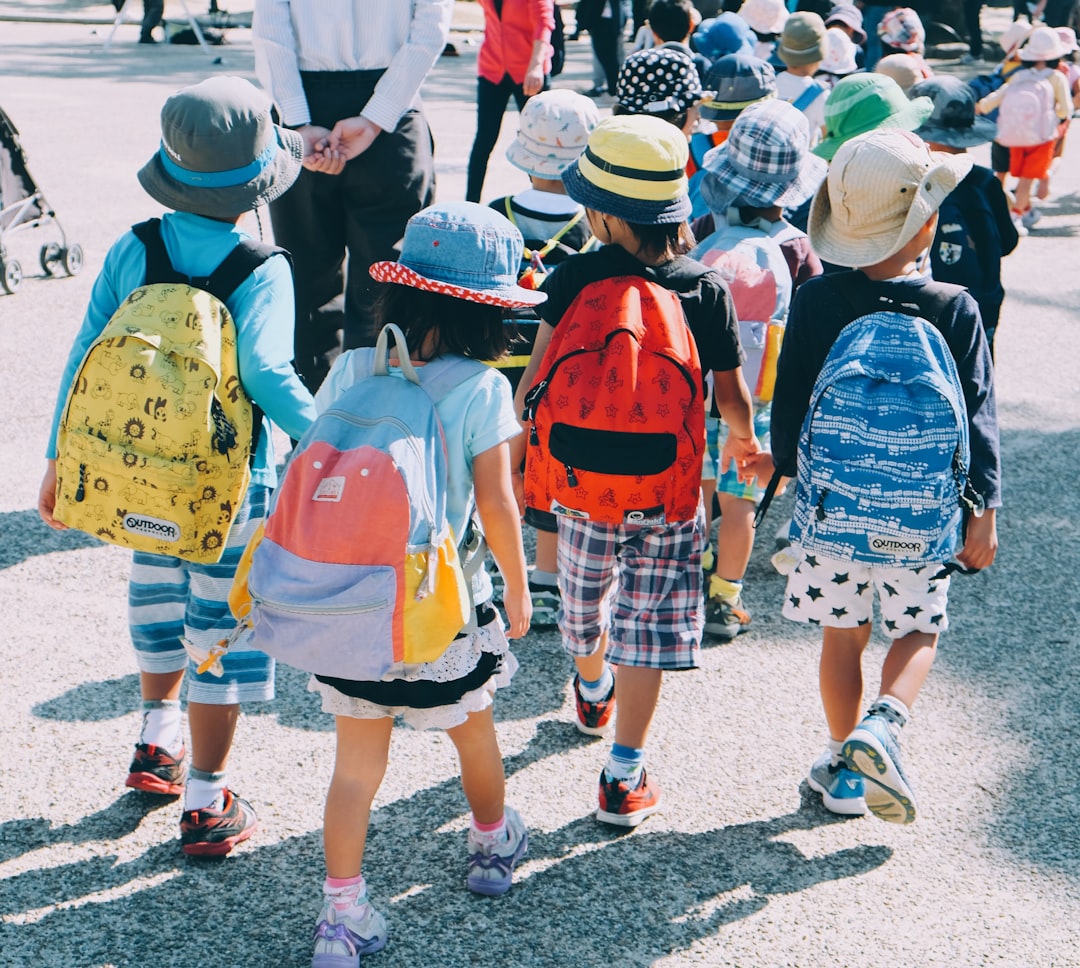
The most visible part of la rentrée is the return to school. The French call it la rentrée des classes. It is a national event, not just a family one.
Every child in France returns on the same day. The Ministry of Education sets that date. It usually falls in the first week of September.
On that morning, parents flood the streets. They carry colourful backpacks. They hold small hands. They look both relieved and a little sad. Summer is over.
French schools are demanding. The national curriculum is set in Paris. Every child in France studies the same subjects at the same time. A student in Marseille learns the same things as a student in Strasbourg.
La rentrée des classes also means shopping. New notebooks. New pencils. New clothes for the school year. French parents spend hundreds of euros preparing their children. The shops call it les fournitures scolaires. It is a significant retail season across France.
La Rentrée Politique: Politics Returns to Paris
August is also a holiday for politicians. The National Assembly goes quiet. Ministers disappear to their country homes. The Élysée Palace empties out.
Then September arrives. And the debates return.
La rentrée politique is when France’s political life restarts. Party leaders give major speeches. The President announces new priorities. Journalists interview ministers on live television.
It is a political new year. Old arguments revive. New scandals emerge. France loves political drama, and la rentrée delivers it every September without fail.
Even the media has its own la rentrée. New television programmes launch. New radio shows begin. Newspaper supplements appear. The whole country tunes back in at the same time.
La Rentrée Littéraire: France’s Literary Season
France takes books seriously. More seriously than almost any other country on earth.
Every September, hundreds of new novels appear at once. This is la rentrée littéraire. It is one of the most important cultural events in the French calendar.
Publishers rush to release their best books before October. That is when France’s most prestigious literary prizes are announced. The Prix Goncourt. The Prix Renaudot. The Prix Femina. Each one can make a book a national sensation overnight.
Bookshops fill their windows with new titles. Cafés host author readings. Newspapers publish long, serious reviews. For a few weeks, France talks of little else but books.
In recent years, around 500 new French novels have appeared during la rentrée littéraire. Publishers compete fiercely for attention. Critics are overwhelmed. Readers browse for hours.
This is uniquely French. No other country has anything quite like it.
🇫🇷 Enjoying this? 7,000 France lovers get stories like this every week. Subscribe free →
La Rentrée in Paris: The City Changes in September
Paris changes in September. The tourists thin out. The city becomes more itself again.
In August, Paris belongs to visitors. Locals have fled south or west. Cafés fill with English and American voices. The queues at the Louvre stretch around the block.
Then la rentrée comes. Parisians return. The café terraces fill with locals again. Conversations are in French. The city exhales and settles back into itself.
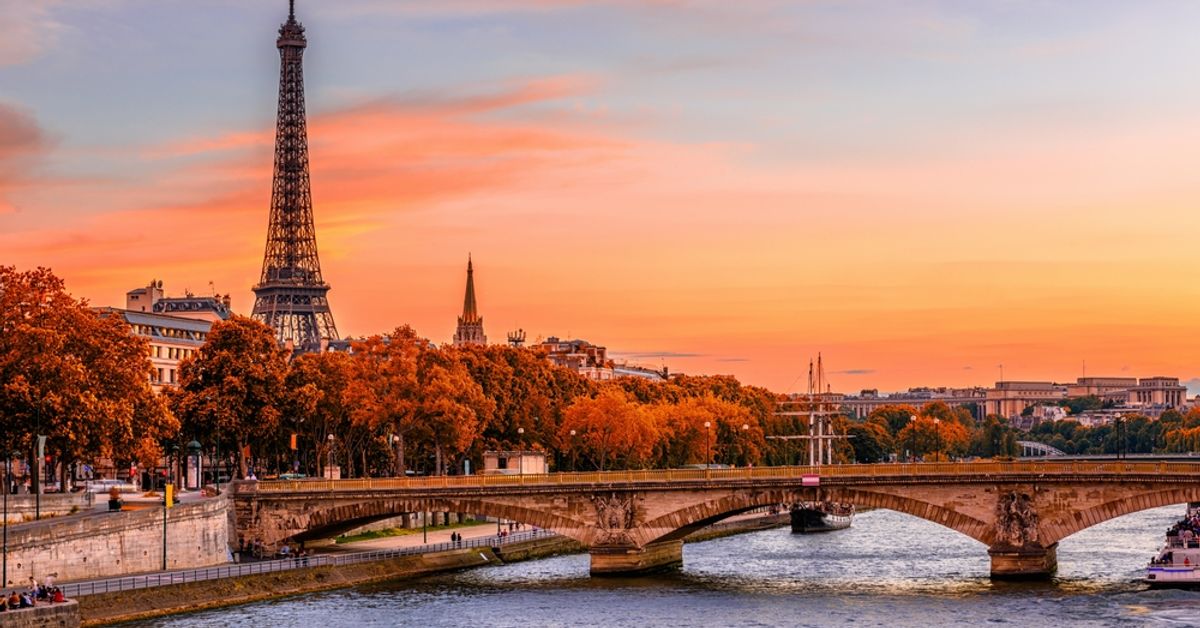
September is arguably the best time to visit Paris. The weather is still warm. The light turns golden over the Seine. Queues are shorter at every museum. Hotel prices often drop after August.
Walking the city in September, you feel you have Paris almost to yourself. The trees begin to turn amber along the boulevards. The morning air has a cool bite. It is beautiful in a way that July and August rarely are.
Parisians notice you differently in September too. You are no longer part of a summer crowd. You are a visitor who chose to come at the right time. That earns quiet respect. For tips on visiting at its best, see our guide to the best time to visit France.
How the French Really Feel About La Rentrée
Ask a French person about la rentrée, and you will get a complicated answer.
Some feel a quiet dread. Summer is over. The long, lazy days of leisure are gone. The alarm clock returns. The commute returns. The boss returns.
But many feel something closer to relief. August can be too slow, too hot, too empty. La rentrée brings energy. It brings purpose. It brings the satisfaction of things getting done again.
There is even a French phrase for the emotion: mélancolie de la rentrée. A gentle sadness. The bittersweet feeling that something lovely has ended.
This emotional complexity is very French. The French do not pretend that returning to work is joyful. But they accept it. They mark it with rituals — the new notebook, the first family dinner, the café coffee with colleagues on the first morning back.
This balance between rest and work reflects the French philosophy of savoir-vivre. The art of living well. The idea that both work and leisure deserve full attention. Read more about how this shapes French daily habits in our piece on why France still stops for lunch every day.
How to Experience La Rentrée as a Visitor
You do not have to be French to experience la rentrée. A September visit to France will show you a very different side of the country.
Visit a local market on a weekday morning. Watch parents drop children at school. Sit at a café and order your coffee slowly. Watch the city come back to life around you.
Browse a French bookshop. The tables will be piled with new novels from la rentrée littéraire. Ask the bookseller for a recommendation. They will be delighted you asked.
Visit a city outside Paris if you can. Lyon, Bordeaux, Strasbourg, Nantes. Each has its own rhythm of la rentrée. Each gives you a different window into real French life.
Eat your meals at French times. Lunch between noon and 2pm. Dinner no earlier than 7.30pm. Sit at a café terrace for an hour without guilt. These habits are not optional in France. They say you respect how life is lived here. For a full guide to French social customs, see our article on French etiquette.
La rentrée reminds you that France is not a theme park. It is a country where people live real lives. September is when you get to see those real lives up close.
Frequently Asked Questions About La Rentrée
What does la rentrée mean in English?
La rentrée means “the return” or “going back in.” It refers to France’s annual September restart after the August holiday period. It covers school, work, politics, and culture all at once, making it a uniquely French national event.
When does la rentrée happen in France?
La rentrée des classes (schools) happens in the first week of September each year. The date is set by the French Ministry of Education. La rentrée for work and politics follows in the first two weeks of September.
Why does France take all its holidays in August?
This tradition began after the Front Populaire labour laws of 1936, which gave French workers paid annual leave for the first time. Workers chose August for its warm weather. The tradition has remained ever since. Today, French workers have five weeks of paid holiday each year.
Is September a good time to visit France?
Yes, September is an excellent time to visit France. The summer crowds have gone home. The weather is still warm and sunny. Hotel prices often drop after August. You see France at its most authentic, full of locals going about their daily lives.
What is la rentrée littéraire?
La rentrée littéraire is France’s annual literary season, which begins each September. Publishers release hundreds of new novels at once. Major French literary prizes, including the Prix Goncourt, are announced in October. It is a uniquely French cultural event with no real equivalent elsewhere in the world.
You Might Also Enjoy
- Les Grandes Vacances: How the French Do Summer
- French Etiquette: The Unwritten Rules Every Visitor Must Know
- Why France Still Stops for Lunch Every Day
Plan Your France Trip
Ready to experience la rentrée for yourself? Visit our France travel planning hub for everything you need — from when to go and where to stay, to what to see in every region.
Join 7,000+ France Lovers
Every week, get France’s hidden gems, seasonal guides, local stories, and the art of la vie française — straight to your inbox.
Subscribe free — enter your email:
Love more? Join 64,000 Ireland lovers → · Join 43,000 Scotland lovers → · Join 30,000 Italy lovers →
Free forever · One email per week · Unsubscribe anytime
Tours & experiences you might love


Powered by Viator. Some links are affiliate links — we may earn a small commission at no extra cost to you.

Leave a Reply