
Lyon Travel Guide: What to See, Do, and Eat in France’s Gastronomic Capital
Lyon is France’s second city in spirit if not always in size. It sits between Paris and the Mediterranean, where the Rhône and Saône rivers meet. Most visitors overlook it on the way south, which is their loss. This Lyon travel guide gives you everything you need to plan a visit to one of the most rewarding cities in Europe.
Love France? Join 7,000+ readers on our free newsletter → lovetovisitfrance.substack.com
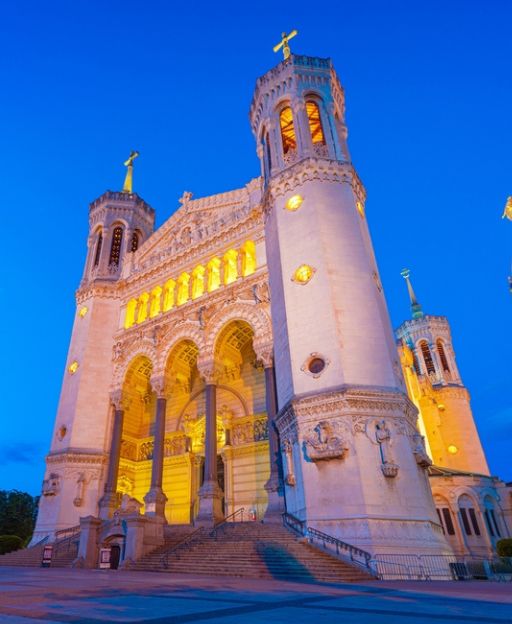
Lyon is France’s undisputed food capital. It has more Michelin-starred restaurants per capita than anywhere else in the country. It also has Roman ruins, hidden medieval passageways, and a riverside old town that earned UNESCO World Heritage status. Two days here rarely feels like enough.
Lyon Travel Guide: Why This City Belongs on Your France Trip
Lyon sits three hours from Paris by TGV and two hours from the French Riviera. That position makes it one of the best stopover cities in France. But most visitors who come for a night end up wishing they had booked three.
The city has three distinct areas that feel almost like separate towns. Vieux Lyon is one of the largest Renaissance old towns in Europe. Croix-Rousse is the former silk-weaving district on the hill above. And Fourvière is the Roman hill that overlooks everything.
Lyon rewards walking. It is a city best understood at street level, through its traboules — the hidden covered passageways that silk workers built across private courtyards to move their fabric in dry conditions.
Getting to Lyon
From the US
There are no direct flights from the US to Lyon. You fly into Paris or, occasionally, into Lyon Saint-Exupéry airport via a connection. From Paris, the TGV train takes around two hours and runs frequently throughout the day. This is the most comfortable option.
Lyon airport also connects to major European hubs including Amsterdam, London, and Frankfurt. If you are building a European trip, Lyon is easily reachable from most major cities.
Getting Around Lyon
Lyon has an excellent metro and tram system. You do not need a car. Most sights in the city centre are walkable. The funicular connects the city centre to Fourvière Hill in about four minutes. Buy a day pass — it covers metro, tram, bus, and funicular.
The Best Things to See in Lyon
Vieux Lyon
Vieux Lyon is the heart of the city. The streets run between tall sandstone buildings painted in warm ochres and terracottas. The atmosphere is Italian in feel, which makes sense — Lyon was a wealthy Italian banking city during the Renaissance.
Cathédrale Saint-Jean-Baptiste anchors the southern end of the old town. It was built between the 12th and 15th centuries and features an astronomical clock in the north transept that chimes at noon, 2pm, 3pm, and 4pm.
Walk north through the old town and the streets narrow. In summer, the cafés spill out onto every available pavement. In winter, the city’s Fête des Lumières transforms Vieux Lyon into something extraordinary.
The Traboules
The traboules are Lyon’s most distinctive feature. These covered passageways cut through private courtyards and apartment blocks, connecting one street to another. Silk workers used them to transport fragile fabric without getting it wet. The Resistance used them during the Second World War to move people and messages without being seen.
Most are still private property, but many open to the public during the day. There are traboules in both Vieux Lyon and Croix-Rousse. A free map from the tourist office marks the accessible ones. The full story of Lyon’s hidden passages →
Fourvière Hill
Fourvière Hill rises directly above Vieux Lyon. The funicular climbs it in four minutes. At the top, the Basilica of Notre-Dame de Fourvière dominates the skyline — a 19th-century white stone church visible from much of the city. The view from the esplanade in front stretches across Lyon and, on clear days, reaches the Alps.
Just below the basilica, the Gallo-Roman Theatre is one of the best-preserved Roman theatres in France. It was built in 15 BC and still hosts concerts in summer. The adjacent Lugdunum museum covers the city’s Roman history with one of the best collections of Roman artefacts in France.
Croix-Rousse
Croix-Rousse is the working-class silk district that climbs the second hill above the city. It has a different character from Vieux Lyon — more bohemian, less polished. The Saturday market on the Boulevard de la Croix-Rousse is one of the best in the city.
The silk workers who built this quarter were called canuts. They revolted three times in the 19th century over low wages. Their traboules here are narrower and steeper than those in Vieux Lyon, built for workers carrying bolts of fabric on their backs rather than merchants moving goods.
The Confluence District
At the southern tip of the Presqu’île peninsula, the Rhône and Saône rivers meet at a place called La Confluence. The district has been completely redeveloped over the last two decades. It now houses the Musée des Confluences — a striking stainless steel and glass building housing natural history and anthropological collections.
What to Eat in Lyon
Lyon’s reputation as the food capital of France is not a marketing slogan. It is an earned title going back centuries. The city’s cuisine is rooted in the bouchon tradition — simple, generous, produce-driven cooking at tables so close together you share your neighbour’s conversation along with your meal.
Bouchon Restaurants
A bouchon is a specific type of traditional Lyon restaurant. It serves hearty, unpretentious food — quenelles (pike dumplings), tablier de sapeur (fried tripe), rosette sausage, andouillette, and salade lyonnaise with lardons and a poached egg.
The best bouchons have a blue and white enamel plaque from the Association de Défense des Bouchons Lyonnais. This confirms they meet traditional standards. The label keeps the experience authentic and worth seeking out. What makes a bouchon the most honest restaurant you’ll ever eat in →
The Mères Lyonnaises
Lyon’s greatest food tradition was built by women. The mères lyonnaises were cooks — working-class women who moved from cooking in bourgeois households to opening their own restaurants in the late 19th and early 20th centuries. One of them, Eugénie Brazier, trained Paul Bocuse. Another, La Mère Fillioux, invented the classic Lyon dish of chicken cooked in a pig’s bladder.
Their legacy shaped everything that Lyon eats today. The women who built France’s greatest food culture →
Les Halles de Lyon Paul Bocuse
The covered market named after Paul Bocuse is the best food hall in France. It houses around 60 stalls selling cheese, charcuterie, fresh fish, wine, pastries, and hot food. Go hungry. It opens from Tuesday to Sunday.
Enjoying this? 7,000 France lovers get stories like this every week. Subscribe free →
Where to Stay in Lyon
Vieux Lyon
Staying in Vieux Lyon puts you in the middle of the old town. It is atmospheric and convenient. Hotels here tend to be in converted Renaissance buildings. Book early — there are fewer options than in the Presqu’île.
The Presqu’île
The Presqu’île is the narrow peninsula between the two rivers. It is the commercial heart of the city. Most mid-range and business hotels are here. It is the most central area for exploring all parts of Lyon on foot. Place Bellecour — one of the largest open squares in France — sits at its centre.
Croix-Rousse
Croix-Rousse has boutique hotels and apartments that suit longer stays. The neighbourhood feels more local than the tourist zones below. The morning market is on your doorstep. It is a short metro ride or a steep walk down to the old town.
Best Time to Visit Lyon
Spring (April–May): Excellent weather, fewer tourists than summer, and the terraces open in late April. The city looks its best with the chestnut trees in bloom along the quays.
Summer (June–August): Warm and lively. The Roman theatre festival runs in July. The city empties slightly in August when many locals leave on holiday, which makes visiting easier.
Autumn (September–October): One of the best seasons. The light softens, the restaurants are full, and the food markets peak with autumn produce — mushrooms, game, and the last of the summer tomatoes.
December — Fête des Lumières: For four nights in early December, Lyon turns into something extraordinary. The city’s monuments, bridges, and streets fill with light installations by artists from around the world. It draws over two million visitors each year. Book accommodation months in advance if you plan to attend.
How Long to Spend in Lyon
One day: You can see Vieux Lyon and Fourvière, eat at a bouchon, and walk the Presqu’île. It is a full day but achievable.
Two to three days: The ideal length. You can explore all four main areas, visit Les Halles, walk the traboules, and take the funicular to Fourvière at night.
Four days or more: Add a day trip to the Beaujolais wine villages to the north, or to the Roman aqueducts outside the city. Lyon also sits an hour from the Rhône Valley wine country.
Lyon fits naturally into a broader France itinerary. It makes an excellent stop between Paris and Provence. See the two-week France itinerary →
Frequently Asked Questions
Is Lyon worth visiting for first-time France travellers?
Yes. Lyon is one of the most underrated cities in Europe for first-time visitors. It has world-class food, a well-preserved old town, Roman history, and a culture that feels genuinely lived-in rather than staged for tourists.
How do I get from Paris to Lyon?
The TGV train connects Paris Gare de Lyon to Lyon Part-Dieu in around two hours. Trains run frequently throughout the day. Book in advance for the best fares. The city centre train station is well connected to hotels and sights by metro.
Do I need to speak French in Lyon?
English is spoken in most hotels and many restaurants, particularly those accustomed to international visitors. In traditional bouchons, the menu is often in French only. A translation app helps. Staff are generally patient with visitors who make an effort.
Is Lyon expensive compared to Paris?
Lyon is notably less expensive than Paris for accommodation and eating out. A three-course lunch with wine at a traditional bouchon costs between €20–35 per person. Hotel prices are lower than Paris equivalents, and transport within the city is cheap with a day pass.
What is the Fête des Lumières?
The Fête des Lumières is Lyon’s annual Festival of Lights, held for four nights in early December. It dates back to 1852, when the city’s residents first placed candles on their windowsills to honour the Virgin Mary. Today it draws artists from across the world and transforms the city into one of the most spectacular light shows in Europe.
You Might Also Enjoy
- What Makes a Bouchon the Most Honest Restaurant You’ll Ever Eat In
- The Hidden Passages of Lyon That Silk Workers Built and the Resistance Survived
- The Women Who Built France’s Greatest Food Culture — and Were Almost Forgotten
Plan Your France Trip
Adding Lyon to your France trip? The France trip planning hub covers everything from choosing your route to practical tips on transport, accommodation, and the best regions to combine.
Join 7,000+ France Lovers
Three times a week, get France’s hidden gems, local recipes, and travel inspiration — the kind you won’t find in any guidebook.
Subscribe free — enter your email:
🇫🇷 Discover the France Most Tourists Never Find
Get our free guide to 25 hidden villages of France — then join 7,000+ readers for weekly stories about places most guidebooks never mention.
Get Your Free Village Guide →Subscribe to the France newsletter →
Free forever · Unsubscribe anytime
🇫🇷 You Might Also Love
Tours & experiences you might love


Powered by Viator. Some links are affiliate links — we may earn a small commission at no extra cost to you.

Leave a Reply