
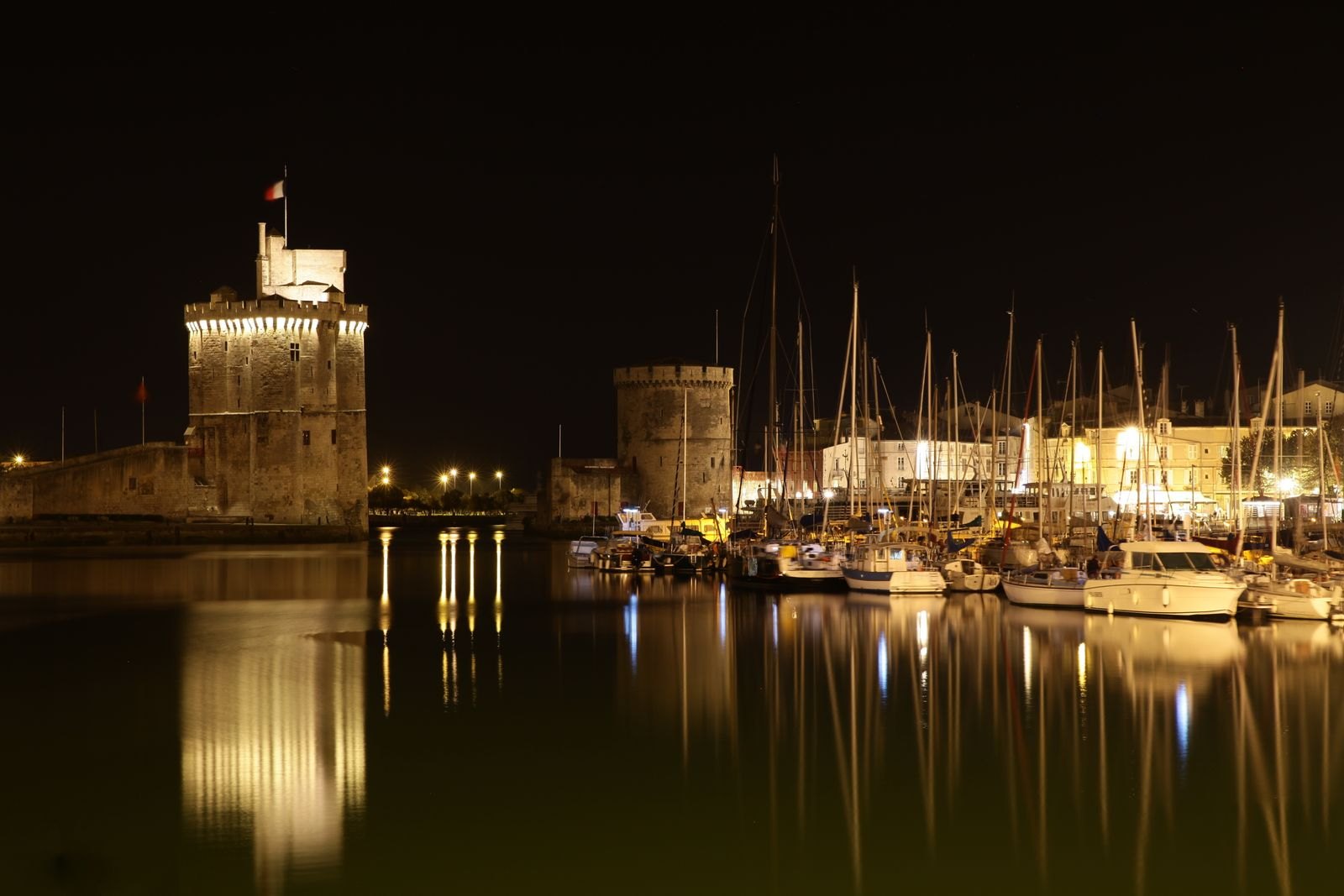
Stand on the bridge from La Rochelle and you can already smell it — salt, sea air, and the faint ring of a bicycle bell. Île de Ré stretches ahead of you, flat and golden in the late light. Within ten minutes of arriving, the mainland feels very far away.
A Place France Treats Differently
The French have a word for what Île de Ré gives you: douceur. Softness. Ease. The island sits off the Atlantic coast of Charente-Maritime, and a toll bridge connects it to the mainland — but it operates on different rules.
No towering resort hotels crowd the harbour. White-washed stone houses fill narrow lanes. Hollyhocks press against doorways in summer. The streets carry a scent of salt and sunscreen, and everywhere you look, people are on bicycles.
This is not an accident. The island enforces strict building codes. Height limits apply. Neon signs do not exist here. Residents and local government have protected the character of Île de Ré for decades, and the result shows in every alleyway.
The Island Runs on Two Wheels
Île de Ré has over 100 kilometres of dedicated cycle paths. They wind through vineyards, salt marshes, oyster beds, and pine forests. Families ride them. Grandparents ride them. Parisians who never cycle at home rent bikes at the port and glide for hours without needing to stop.
The island measures just 30 kilometres long and barely five kilometres wide at its broadest point. You can cross it in a morning, stopping wherever you choose.
That freedom — to go slowly, to stop for no reason — captures exactly what makes Île de Ré feel different from anywhere else in France. The paths take you places cars cannot reach. The best views belong to cyclists.
The Salt That Built This Island
Before tourism, salt built Île de Ré. Workers known as paludiers have harvested sea salt from the island’s marshes for over a thousand years. They still do today.
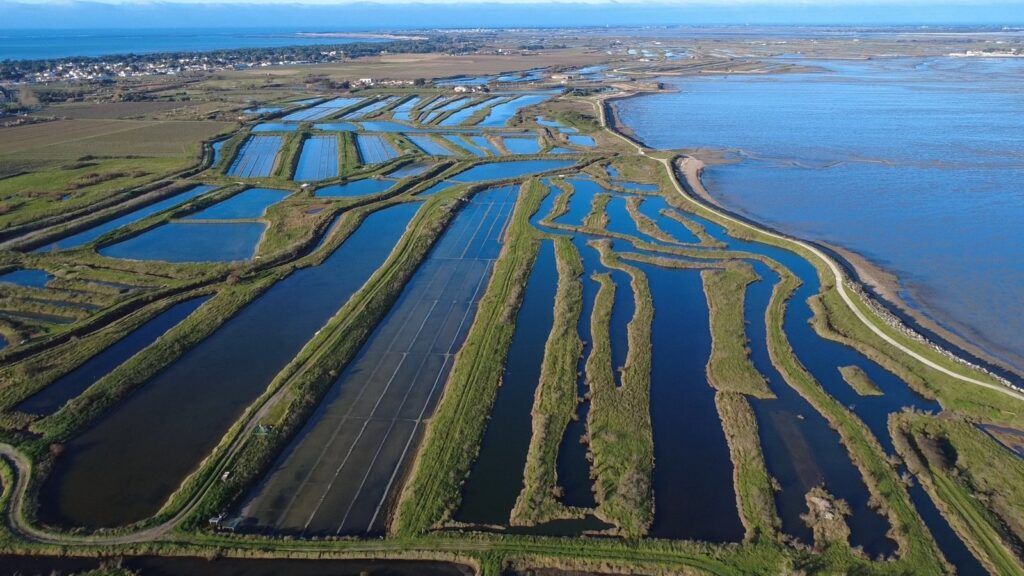
The marshes — flat pools divided by narrow clay banks — stretch across the eastern half of the island. In summer, salt workers rake the surface crust by hand to collect fleur de sel, the finest grade of sea salt. Fine-food shops across France and Europe sell it at a premium.
A visit to the marshes feels genuinely unlike anything else on the island. The light falls differently here. The water turns shades of pink and grey depending on the weather. Egrets wade at the edges, utterly unbothered.
You can visit working salt marshes near Loix and Ars-en-Ré, where local producers welcome visitors and sell their harvest directly. For more on this ancient coastal salt tradition that France still practises, the story runs deeper than most visitors expect.
Enjoying this? 7,000 France lovers get stories like this every week. Subscribe free →
Oysters Before Noon
The island produces some of France’s most prized oysters. Oyster parks line the sheltered bay on the eastern coast. Locals follow a firm tradition: eat them standing at a wooden table outside a cabane ostréicole, and eat them early.
Freshness peaks in the morning. By midday, the serious oyster-eaters have long gone. Arrive before ten, order a dozen with a glass of Pineau des Charentes, and eat them looking out over the water.
This is not a tourist performance. The French habit of eating oysters before 10 in the morning runs across the Atlantic coast — but on Île de Ré, it feels most natural, most matter-of-fact, most correct.
The Villages at the End of the Road
Île de Ré has ten communes, each slightly different in character. Saint-Martin-de-Ré, the main town, wraps around a Vauban-designed citadel — a UNESCO World Heritage site — with ramparts you can walk in twenty minutes.
Ars-en-Ré sits at the far western end. Its church bell tower, painted black and white, guides sailors home and appears in nearly every photograph of the island. The village has one bakery, one butcher, one excellent wine bar, and no reason to rush.
La Flotte holds a market every morning in July and August, and its harbour looks as though someone composed it specifically for paintings.
If you plan to explore the island as part of a broader France trip, start with the France planning hub — it covers transport, timing, and how to combine Île de Ré with the wider Atlantic coast.
Frequently Asked Questions
What is the best time to visit Île de Ré, France?
June and September offer the best balance of warm weather and manageable crowds. July and August bring more visitors but remain far less crowded than most French coastal resorts. Spring (April and May) gives you the island at its quietest, with lower prices and no queues at the oyster bars.
How do you get to Île de Ré from La Rochelle?
A toll bridge connects Île de Ré to the mainland at La Rochelle. The drive from La Rochelle to the bridge takes around ten minutes. Car parks near the bridge entrance let you leave the car, hire a bicycle, and explore the island properly without driving.
Do you need a car on Île de Ré?
You do not need a car. Over 100 kilometres of dedicated cycle paths cross the entire island, connecting every village, beach, and salt marsh. Bike hire is available at the bridge entrance and in every commune. Most visitors find cycling the best — and most enjoyable — way to explore.
Where can you see the salt marshes on Île de Ré?
The main salt marshes sit near Loix and Ars-en-Ré on the eastern side of the island. Local producers open their marshes to visitors during the summer harvest season (July to September), and you can buy fleur de sel directly at the marsh gates — a far better souvenir than anything in the shops.
The bridge back to the mainland is long and straight. Looking out across the Atlantic as you leave, the island behind you, you understand why the French keep coming back.
Some places offer noise and novelty. Île de Ré offers you time.
Join 7,000+ France Lovers
Three times a week, get France’s hidden gems, seasonal guides, local stories, and the art of la vie française — straight to your inbox.
Subscribe free — enter your email:
Free forever · Unsubscribe anytime
🇫🇷 You Might Also Love
Tours & experiences you might love


Powered by Viator. Some links are affiliate links — we may earn a small commission at no extra cost to you.

Leave a Reply