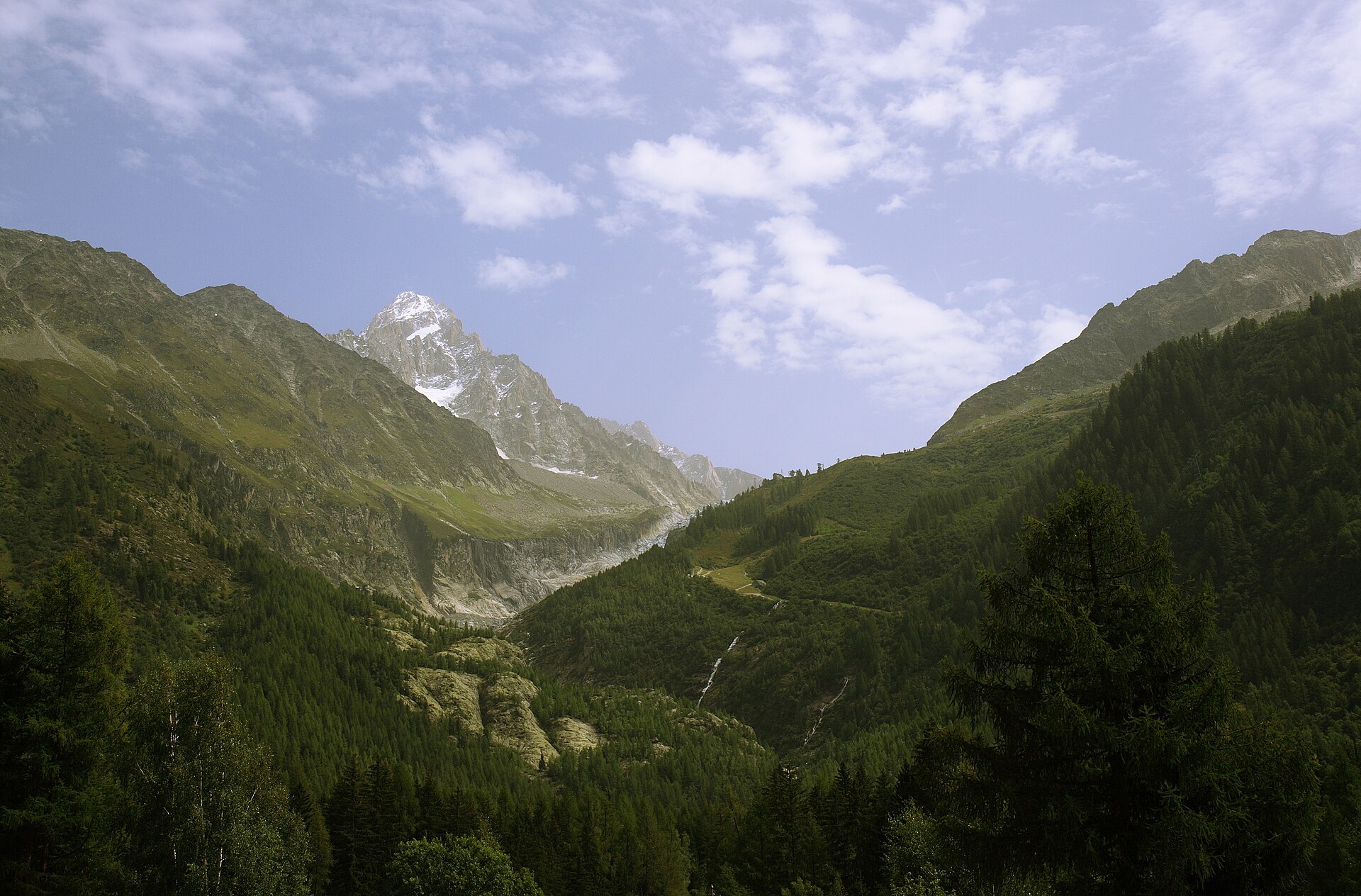
If your family tree reaches back to the French Alps, you carry one of the world’s most dramatic ancestral landscapes. Savoie and Haute-Savoie sit at the roof of France — a land of glaciers, medieval villages, and mountain passes that shaped the people who lived there for centuries.
Surnames from this region tell that story. They speak of blacksmiths and millers. Of valleys and streams. Of Germanic warriors and Roman settlers. And of a region that only became fully French in 1860 — centuries after most of France had settled its identity.
What’s your name in French? 🇫🇷
Your French Name — type any first name for the French equivalent, with meaning and regional notes.
This guide covers the most common surnames from Savoie and the broader French Alps. You will find their origins, meanings, and the migration paths that carried them across the world. If you want to go deeper, our full guide on how to trace your French ancestry is the best place to start.
Why Savoie Surnames Are Different
Savoie joined France in 1860. Before that date, it belonged to the Kingdom of Sardinia and the House of Savoy. That history runs through the surnames.
You will find Germanic names, Italian-influenced spellings, and traces of Franco-Provçal — the old Arpitan language once spoken across the Alps. Many surnames have no close equivalent in standard French. They belong entirely to this mountain world.
Savoie also had its own migration patterns. Young men from poor mountain villages walked to Paris each autumn as chimney sweeps (ramoneurs) and returned home in spring. That seasonal movement spread Savoyard names across France — and eventually, the wider world. If you have a Savoyard name in your family tree, your ancestors lived at the crossroads of French, Italian, and Germanic culture.
The 20 Most Common Savoyard Surnames: Origins and Meanings
1. Martin
One of France’s most widespread surnames, Martin has deep roots in Savoie. It comes from the Latin Martinus, connected to Mars, the Roman god of war. Saint Martin of Tours was one of medieval France’s most beloved saints. Families across the Alpine valleys chose Martin at baptism — and the name passed down through generations.
2. Blanc
Blanc means “white” in French. In the Alps, white meant snow, glaciers, and pale Alpine light. It also described a person with fair hair or pale skin. The name appears everywhere in mountain France. Mont Blanc — Europe’s highest peak — carries it in its very name.
3. Bernard
A Germanic name with ancient roots: bern (bear) and hard (strong, brave). Bear-brave. In the Alps, bears lived in these mountains until the modern era. The name spread through the medieval Church via Saint Bernard of Clairvaux and became one of Savoie’s most enduring family surnames.
4. Favre
This surname means blacksmith. It comes from the Latin faber — a craftsman who works with metal. Alpine villages needed smiths. Horses needed shoes. Tools cracked in winter cold. Sledge runners needed repair. A Favre kept the village functioning. Variant spellings include Faber, Fabry, and Lefebvre, found more widely in northern France.
5. Jacquet
A diminutive of Jacques — the French form of James. Jacquet carried warmth and informality. It often belonged to a younger son or a well-liked village figure. You will find Jacquets concentrated across Savoie, Haute-Savoie, and into neighbouring Ain.
6. Perret and Perrin
Both surnames are affectionate diminutives of Pierre — Peter. Perret and Perrin were everyday names in Alpine communities, where trust and closeness mattered above all. The informal forms stuck and became surnames, carried through generations long after the original Pierre had gone.
7. Bonnet
Bonnet has two possible origins. The first is the French word for cap or bonnet — worn by Alpine farmers and shepherds against mountain cold. The second comes from the Latin bonus — good — making Bonnet the name of “the good man.” Both interpretations fit the practical world of mountain France.
8. Mugnier
A Mugnier was a miller. The word connects to moulin — a mill. Alpine rivers ran fast and cold, and mills dotted every valley. Grinding grain fed the village through long winters. The miller held real power in every Alpine community. If your name is Mugnier, your ancestor ran the mill.
9. Mollard
Mollard is a topographic name. In Alpine dialects, it described a rounded hill or mound — the gentle landform common in Savoie’s lower valleys. Villages built near these features took the name. Families who lived on the mollard became Mollards. The surname points clearly to a specific piece of Alpine landscape.
10. Grange
Grange means barn or farm. It served as both an occupational and a topographic surname for families who lived near or worked on a grande grange — a great farm. In medieval Savoie, the Church owned vast agricultural holdings. Families connected to these estates took Grange as their name.
🇫🇷 Enjoying this? 7,000 France lovers get stories like this every week.
Thinking about it for retirement? If you’ve started thinking seriously about retiring there, our complete our full Retire in France guide covers the visa, healthcare, cost-of-living, and the regions worth shortlisting.
11. Veyrat
Veyrat comes from the Arpitan (Franco-Provençal) word for an embankment or slope — veyre. Alpine geography made this term essential. Veyrat families lived on hillsides or farmed land that sloped toward a valley floor. The name is distinctly Savoyard and immediately recognisable to anyone familiar with the region.
12. Burnier
Burnier likely derives from the Germanic personal name Brunhar — “brown army.” It may also connect to an Alpine term for a spring or small stream. Water was life in mountain villages. A family that guarded a spring or lived beside one naturally took the name of that water source.
13. Boccard
Boccard appears mainly in Haute-Savoie and across the border into historical Piedmont (now part of Italy). It has Germanic roots — likely from Burchard (fortress-strong). The name reflects Savoie’s long period under Sardinian rule, when Germanic noble names filtered down into the broader population.
14. Chenal
Chenal describes a channel, gutter, or drainage ditch. Alpine farming depended on managing water — snowmelt, spring floods, and heavy mountain rain all needed direction. The chenal moved water away from fields and into rivers. A family living near or responsible for such a channel became the Chenals.
15. Gonthier
Gonthier is Germanic: from gund (battle) and hari (army). It belonged originally to the warrior class of early medieval France. As surnames became fixed across social classes, names like Gonthier spread from nobility into ordinary families. By the 17th century, Gonthiers included farmers, artisans, and mountain shepherds who shared a name with medieval knights.
16. Léger
From the Latin Leodegarius, Saint Léger was a 7th-century bishop of Autun whom a Frankish rival martyred. His cult spread across Burgundy and into the Alps. Children born into families devoted to his memory received the name. Those children became the Légers of Savoie — carrying a quiet piece of religious history into every Alpine household.
17. Revil and Revel
These names come from the Latin rivus — a stream or river. In a landscape defined by water — snowmelt, rivers, waterfalls, and glacial streams — the person who lived beside the revil took the landscape as a name. Alpine naming was always practical above all else.
18. Mégevand
This surname comes from the village of Megève — now famous as a ski resort, but centuries old as an Alpine market town. Families who came from Megève or identified strongly with it became Mégevands. Locative surnames like this are common across Savoie and often point toward a specific ancestral commune worth visiting.
19. Tairraz
Tairraz is a rare but recognisably Savoyard name. It likely comes from a local word for terrace or stepped agricultural land. Terraces were essential in mountain farming, where flat ground was scarce. You find the name concentrated in the Chamonix Valley and the broader Mont Blanc area — one of the most spectacular ancestral landscapes in France.
20. Gonnet
Gonnet is a diminutive of the Germanic name Gunn or Gunther. Like Gonthier, it traces back to a warrior culture. But by the time Alpine families used it as a fixed surname, it had shed its martial meaning entirely. It became simply a family name — passed down through mountain generations with no further thought of the battlefield it once evoked.
Migration Patterns: How Savoyard Surnames Spread
The Chimney Sweeps of Paris
From the 16th to the 19th centuries, poor mountain boys from Savoie walked hundreds of kilometres to Paris each autumn. They cleaned chimneys for the winter season, then returned home in spring. This migration — seasonal at first, then permanent for many — spread Savoyard names through the capital. Paris directories still show clusters of Alpine surnames today.
New France and French Canada
Some Savoyard families joined the great migration to Nouvelle France in the 17th and 18th centuries. Names like Martin, Bernard, and Perrin appear in Québec parish records from as early as 1650. If your French-Canadian family line traces to a mountain region, it may well reach back to Savoie. You can explore how to find those records in our guide to French surnames of Alsace-Lorraine, which shares similar Germanic migration patterns.
The Italian Connection
Because Savoie belonged to the Kingdom of Sardinia until 1860, many families had relatives on both sides of the Alps. You will find Savoyard names in Piedmont and the Aosta Valley — sometimes with Italian spellings, sometimes unchanged. A French Favre might appear as an Italian Fabbri just across the border. Tracing these cross-Alpine connections requires checking both French and Italian archives.
Where to Visit in Savoie Today
A heritage visit to Savoie rewards you with some of the most dramatic scenery in France — and real, living connections to the past. Our full French heritage trip planning guide shows you how to visit ancestral villages and archives across France.
Annecy — The old town, with its canals and medieval buildings, is one of the best preserved in France. The Château d’Annecy houses regional history collections and sits within walking distance of the lakeside archives.
Bonneval-sur-Arc — One of France’s designated plus beaux villages (most beautiful villages). The stone architecture has barely changed in 200 years. Walking its lanes gives a vivid sense of ancestral Alpine life.
Chambéry — The former capital of the Duchy of Savoie. The Château des Ducs de Savoie dominates the city. The Archives Départementales de la Savoie sit here — an essential stop for genealogical research.
Chamonix — Famous today as a mountaineering base. But the village has medieval roots, and the surrounding valleys hold ancestral records going back centuries.
Megève — A market town long before it became fashionable. If your surname carries a connection to this village (Mégevand, for example), the local church and mairie hold records that reward a visit.
Tracing Your Savoyard Roots: Where to Search
Finding Savoyard ancestors requires a slightly different approach from other French regions. The pre-1860 Sardinian period creates an important archival split.
Civil Records — France introduced civil registration in 1792. For Savoie, records before 1860 came from the Kingdom of Sardinia — kept sometimes in French, sometimes in Italian. This bilingual archive is fascinating and occasionally complex to navigate.
Archives Départementales — Two departments cover historical Savoie: Savoie (73) based in Chambéry, and Haute-Savoie (74) based in Annecy. Both have digitised large portions of their records and offer online access.
Parish Records Pre-1792 — Catholic baptism, marriage, and burial records date back to the 16th century in many Alpine communes. These are essential for anyone researching the generations before the French Revolution.
FamilySearch — The free genealogy database holds many digitised Savoyard records. Search under “France, Savoie” and “France, Haute-Savoie” to begin.
The Sardinian Archives — For families with noble or wealthy connections, the Archivio di Stato di Torino in Turin holds records from the pre-1860 period that French archives do not carry.
Frequently Asked Questions
What are the most common French surnames from Savoie?
The most common Savoyard surnames include Martin, Blanc, Bernard, Favre, Jacquet, Perret, Bonnet, Mugnier, Mollard, and Grange. Many of these also appear widely across France, but in Savoie they have specific Alpine resonances tied to mountain life, the House of Savoy, and the Franco-Provençal language tradition.
Why do Savoie surnames look different from other French surnames?
Savoie only became part of France in 1860. Before that, it belonged to the Kingdom of Sardinia and the House of Savoy, which ruled the region for centuries. This history brought Germanic, Italian, and Franco-Provençal (Arpitan) influences into the local naming traditions. Many Savoyard surnames reflect this multi-cultural Alpine heritage rather than standard French etymology.
Where can I find genealogical records for Savoie ancestors?
Start with the Archives Départementales de la Savoie in Chambéry (department 73) and the Archives Départementales de la Haute-Savoie in Annecy (department 74). Both offer online access to digitised records. FamilySearch also holds many Savoyard records free of charge. For ancestors before 1860, you may also need to consult the Archivio di Stato di Torino in Italy, as Savoie was then under Sardinian rule.
Did Savoie families emigrate to Canada or North America?
Yes. Some Savoyard families joined the migration to Nouvelle France (French Canada) in the 17th and 18th centuries. Common names such as Martin, Bernard, and Perrin appear in Québec parish records from as early as 1650. Additionally, the tradition of seasonal migration to Paris as chimney sweeps meant that many Savoyard men settled permanently in French cities before emigrating further afield.
Is Savoie the same as Haute-Savoie?
No, they are two separate French departments today, though they share the same historical and cultural identity. Savoie (department 73) covers the inland Alpine area with its capital at Chambéry. Haute-Savoie (department 74) covers the northern part of the historic region, including Annecy, Chamonix, and the Mont Blanc massif. Historically, both formed part of the same Duchy of Savoie before joining France in 1860.
You Might Also Enjoy
- French Surnames of Alsace-Lorraine: Origins, Meanings and Family Heritage
- French Surnames of Burgundy: Origins, Meanings and Family Heritage
- How to Plan a French Heritage Trip to Your Ancestral Village
Plan Your France Trip
Ready to walk the lanes your ancestors walked? Start with our complete planning resource: Planning Your Trip to France — Start Here.
Join 7,000+ France Lovers
Three times a week, get France’s hidden gems, seasonal guides, local stories, and the art of la vie française — straight to your inbox.
Subscribe free — enter your email:
Love more? Join 64,000 Ireland lovers → · Join 43,000 Scotland lovers → · Join 30,000 Italy lovers →
Free forever · · Unsubscribe anytime
Tours & experiences you might love


Powered by Viator. Some links are affiliate links — we may earn a small commission at no extra cost to you.

Leave a Reply