
Most people come to the south of France for lavender fields and rosé. But an hour west of Marseille, there is a stretch of coast that feels nothing like the rest of France. It feels like another world entirely.
The Place That Doesn’t Fit
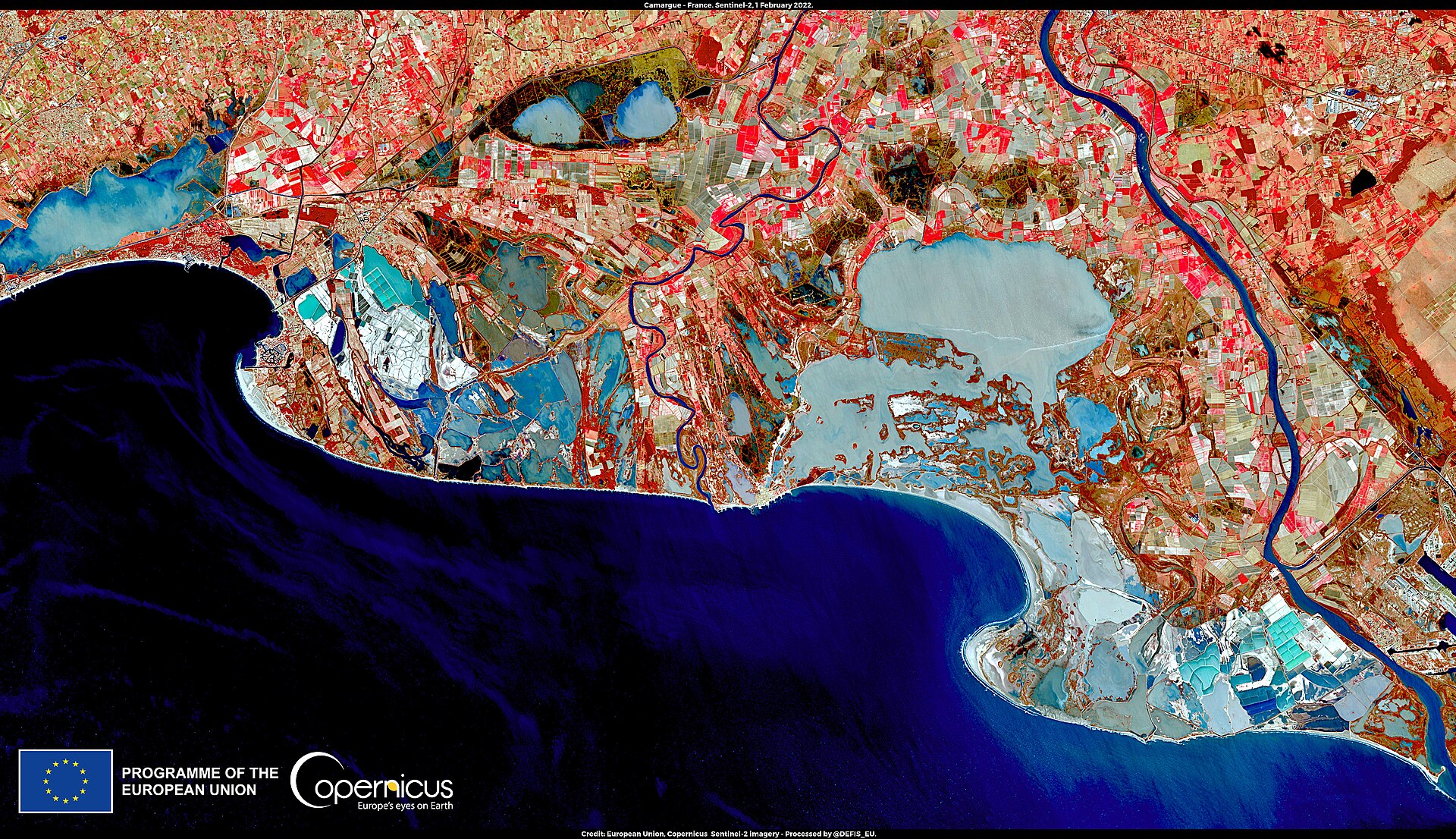
The Camargue sits at the mouth of the Rhône River, where it finally surrenders to the Mediterranean. It is not a beach resort, not a medieval village, not a vineyard.
It is a vast wetland — around 930 square kilometres of salt marshes, reed beds, and shallow lagoons. It has been doing its own thing for thousands of years.
It is one of Western Europe’s most important wildlife habitats. It is also one of France’s most overlooked landscapes.
The Flamingos France Never Mentions
Most visitors don’t realise France has flamingos. But the Camargue hosts tens of thousands of greater flamingos — pale pink against the grey water, wading in the shallow brine of the Étang de Vaccarès.
They nest here every spring and summer. By August, the lagoons turn soft pink at dawn. Find the right dyke path and you can stand within metres of a feeding flock.
There is no ticket booth. No viewing platform. No entrance fee. Just birds and flat water and the sound of wind in the reeds.
The White Horses
The Camargue horse is one of Europe’s oldest breeds. They live semi-wild across the marshes — coats white, manes loose, moving between the salt grass and the waterline.
Herds are tended by gardians, the horsemen of the Camargue. Think of them as France’s answer to the cowboy. They still work on horseback, using long tridents to guide the bulls that also roam this land.
Foals are born dark grey and lighten gradually over the years. Seeing a herd canter through the reed beds at dusk, with the sun dropping behind the lagoon, is one of those things you do not forget.
Enjoying this? 7,000 France lovers get stories like this every week.
Thinking about it for retirement? If you’ve started thinking seriously about retiring there, our complete our full Retire in France guide covers the visa, healthcare, cost-of-living, and the regions worth shortlisting.
The Salt That Tastes Different
Before the flamingos were famous and before the tourists came, there was the salt. The Camargue has been producing sea salt since Roman times. The salt flats south of Salin-de-Giraud stretch for miles, shimmering pale pink in the summer heat.
The colour comes from microscopic algae living in the brine. Salt workers — sauniers — harvest by hand each September, raking the surface crust the same way their grandparents did.
The fleur de sel — the delicate, light crust that forms overnight on the surface — is harvested in small batches and sold at local markets. It tastes different. Lighter, briny, with none of the sharpness of ordinary sea salt.
The Town at the End of the Road
Saintes-Maries-de-la-Mer is the Camargue’s main town. It sits on the southern coast, and there is nothing beyond it but water. The road simply stops.
Hire a bicycle here and follow the dyke roads that cut through the marshes. There are no wrong turns. Every path eventually leads to the edge of something vast and still.
Go between April and June. The summer heat makes the marshes breathless, and the mosquitoes from July onward are, by every local account, relentless.
Aigues-Mortes: A Walled Town Lost in the Marsh
On the northern edge of the Camargue sits Aigues-Mortes — a medieval walled town built by Louis IX as a crusader port, now marooned in the salt flats.
You can walk the full circuit of its towers and ramparts in under an hour. Inside, it functions as a real town: butcher, pharmacy, a restaurant doing Camargue bull stew in red wine.
It doesn’t perform for tourists. It just exists, quietly, surrounded by marshland on every side.
If the south of France is new to you, the French Riviera travel guide covers the coast to the east, while our France trip planning hub is the best place to begin building your whole itinerary.
The Camargue doesn’t try to charm you. It just exists — ancient, unhurried, indifferent to the season. But those who find it tend to come back. And when they do, they always wonder why they waited so long.
Join 7,000+ France Lovers
Three times a week, get France’s hidden gems, seasonal guides, local stories, and the art of la vie française — straight to your inbox.
Subscribe free — enter your email:
🇫🇷 Discover the France Most Tourists Never Find
Get our free guide to 25 hidden villages of France — then join 7,000+ readers for weekly stories about places most guidebooks never mention.
Get Your Free Village Guide →Love more? Join 65,000 Ireland lovers → · Join 43,000 Scotland lovers → · Join 30,000 Italy lovers →
Free forever · Unsubscribe anytime
🇫🇷 You Might Also Love
Tours & experiences you might love


Powered by Viator. Some links are affiliate links — we may earn a small commission at no extra cost to you.

Leave a Reply