Languedoc gave the world a language, a culture, and millions of people who carried its surnames across the globe. If your family name sounds Occitan — more musical, more Latin, more rooted in the southern land — it may trace back to this ancient region of France.
What’s your name in French? 🇫🇷
Your French Name — type any first name for the French equivalent, with meaning and regional notes.
Today, people with Languedoc roots live in Louisiana, Quebec, South Africa, and across North America. Their surnames carry the sound of a language the world nearly forgot — Occitan. If you are researching your French heritage, understanding Occitan naming patterns is the key that unlocks the south.
This guide covers 18 Languedoc surnames, their origins, and what they tell us about the people who bore them. It also explains how to trace your French ancestry through the archives of the south, and where to visit when you plan your heritage trip to France.
The Language That Named a Region
The word “Languedoc” means “language of oc.” In southern France, people said oc to mean “yes.” In the north, they said oïl — which became the modern French oui. That single word divided two cultures, two sets of laws, and two naming traditions.
Occitan was not a dialect of French. It was a full language. Troubadours sang in it. Courts ruled in it. Families named their children, their trades, and their homes in it. The medieval south of France — Languedoc — was a world of its own.
When the French crown imposed a single national language over centuries, Occitan faded from public life. But the surnames stayed. They are living records — locked into baptism registers, preserved across generations, carried across oceans.
If your surname comes from Languedoc, it likely comes from Occitan. This makes it older in form, and more distinct in character, than most names from northern France.
🇫🇷 Enjoying this? 7,000 France lovers get stories like this every week.
Thinking about it seriously? If you’ve started actually planning a move, our complete our complete Moving to France guide walks through every step, every cost, and the paperwork that catches most people out.
18 French Surnames from Languedoc and Their Meanings
These surnames are rooted in the soil, the trades, and the faith of the medieval south. Many survive today in France, Canada, Louisiana, and South Africa.
Fabre / Fabrès
From Latin faber, meaning a craftsman who works with metal — a blacksmith or smith. One of the most common surnames in Languedoc. The Fabres were essential to every village. The name spread widely to Quebec, Louisiana, and the French Caribbean.
Pujol / Puiol
From Occitan pujol, meaning a small hill or rise in the land. A place-based name — given to families who lived near a hillock. Very common across the Hérault and Aude. Related forms appear in Catalan and Spanish records as Puyol.
Bousquet / Bosquet
From Occitan boschet, meaning a small wood or grove of trees. A family who lived beside woodland. The name spread to Canada, where it appears in Quebec parish records from the 17th century.
Granier / Granié
From Occitan granier, meaning a keeper of grain or a granary. A trade-based name. The Graniers managed food stores for lords and religious communities. The name is still common across the Hérault and Gard.
Cabrol / Cabriol
From Occitan cabra, meaning goat. A herder’s name. Languedoc’s limestone hills were ideal for goats. Families who kept them took the animal’s name as their own — a direct link between a man and his work.
Mazet
A small form of mas, the Occitan word for a farm or small homestead. Languedoc was covered in scattered farmsteads — the mas was the basic unit of rural life. The Mazets were country people, tied to their land.
Rouquette / Roquette
From Occitan roca, meaning rock or cliff. A place-based name for families near stone outcrops. Common in the rocky terrain of the Hérault and Aveyron. The same root gives us the word “rocket” in its sense of a cliff plant.
Durand / Durán
From Latin durans, meaning enduring or lasting. A character name given to a man known for strength or steadiness. One of the most widespread surnames across the whole of southern France. It survives in both French and Occitan spellings.
Vidal / Viala
From Latin vitalis, meaning full of life. A popular Christian name that became a family surname over time. Widespread across Languedoc and into the border regions of Spain and Catalonia.
Salvan / Salvat
From Latin salvare, to save, or from Silvanus, the Roman god of forests. Both religious and classical roots feed this name. It appears in records across the Lozère and Ariège — mountain country where Roman and Christian traditions mixed.
Malaval
From Occitan mal (bad) and val (valley). A place-based name for a difficult or harsh valley. These names show how closely families were tied to their landscape — even the hard parts of it.
Calvet
From Occitan calvet, meaning bald or bare. Applied to a bald man, or more often to a bare hillside stripped of trees. Both gave rise to this name. Common in the Hérault and Gard.
Cabane / Cabanès
From Occitan cabana, meaning a hut or simple stone shelter. Families who lived in rough dwellings took this name. Common in the upland areas of Tarn and Aveyron, where shepherds built stone shelters on the causses.
Astre
From Occitan, meaning a hearth or a star. A name tied to the centre of home — the fire that kept a family alive through winter. Found mostly in the Hérault. It speaks to a world where the hearth was everything.
Guitard / Guittard
From Germanic wid (wide) and hard (strong). A name that arrived with the Visigoths, who ruled southern France before the Franks. Old Germanic stock, reshaped by Occitan sounds over centuries. A reminder that Languedoc absorbed many peoples.
Carbonnel
From carbo, meaning charcoal. A trade-based name for makers of charcoal — an essential job in a world built on wood fires and iron forges. The Carbonnels supplied fuel to smiths, bakers, and households across the region.
Trinquier
From Occitan roots tied to trade and the market. The Trinquiers were likely merchants or dealers along the old Roman roads that crossed Languedoc — routes still walked today as heritage trails.
Lacombe / La Combe
From Occitan comba, meaning a small valley or hollow in the hills. A very common place-based name across southern France. Families who lived in combes carried this name for generations. It appears in French Canadian records as early as the 1660s.
How Languedoc Surnames Differ from the North
Northern French surnames draw mostly on Frankish and Norse roots. Languedoc surnames draw on Occitan and Latin. This matters for family researchers.
A northern Dupont (of the bridge) has a different history to a southern Bousquet (of the wood). The root languages differ. The spelling changes differ. The archive systems differ.
Occitan surnames often end in -et, -at, -ès, or -ol. These endings mark them apart from the -eau, -ot, and -on endings common in the north. If you see these patterns in your family records, look south. The archives of the Hérault, Aude, or Gard may hold your family’s story.
Where Languedoc Families Went
Languedoc had a troubled history. The Albigensian Crusade of the 13th century destroyed towns and scattered communities. The Huguenot persecutions of the 16th and 17th centuries drove thousands more into exile.
Many Protestant families from Languedoc fled to South Africa, England, the Netherlands, and Ireland. The 1685 revocation of the Edict of Nantes ended religious tolerance overnight. Names like Durand, Vidal, and Fabre appear in Cape Colony records from the 1680s. The Huguenot exodus reshaped families across three continents.
Louisiana drew settlers from across southern France. Fabre, Pujol, and Bousquet appear in New Orleans records from the 18th century. The Cajun country of Louisiana still carries echoes of Languedoc in its place names and family surnames.
Quebec also received families from the south. Many came as soldiers, traders, and craftsmen during the French colonial period. Occitan names were sometimes altered by Quebec scribes who did not know the southern spelling conventions. A Fabrès became Fabris or Fabry. A Pujol became Puyol.
How to Research Your Languedoc Roots
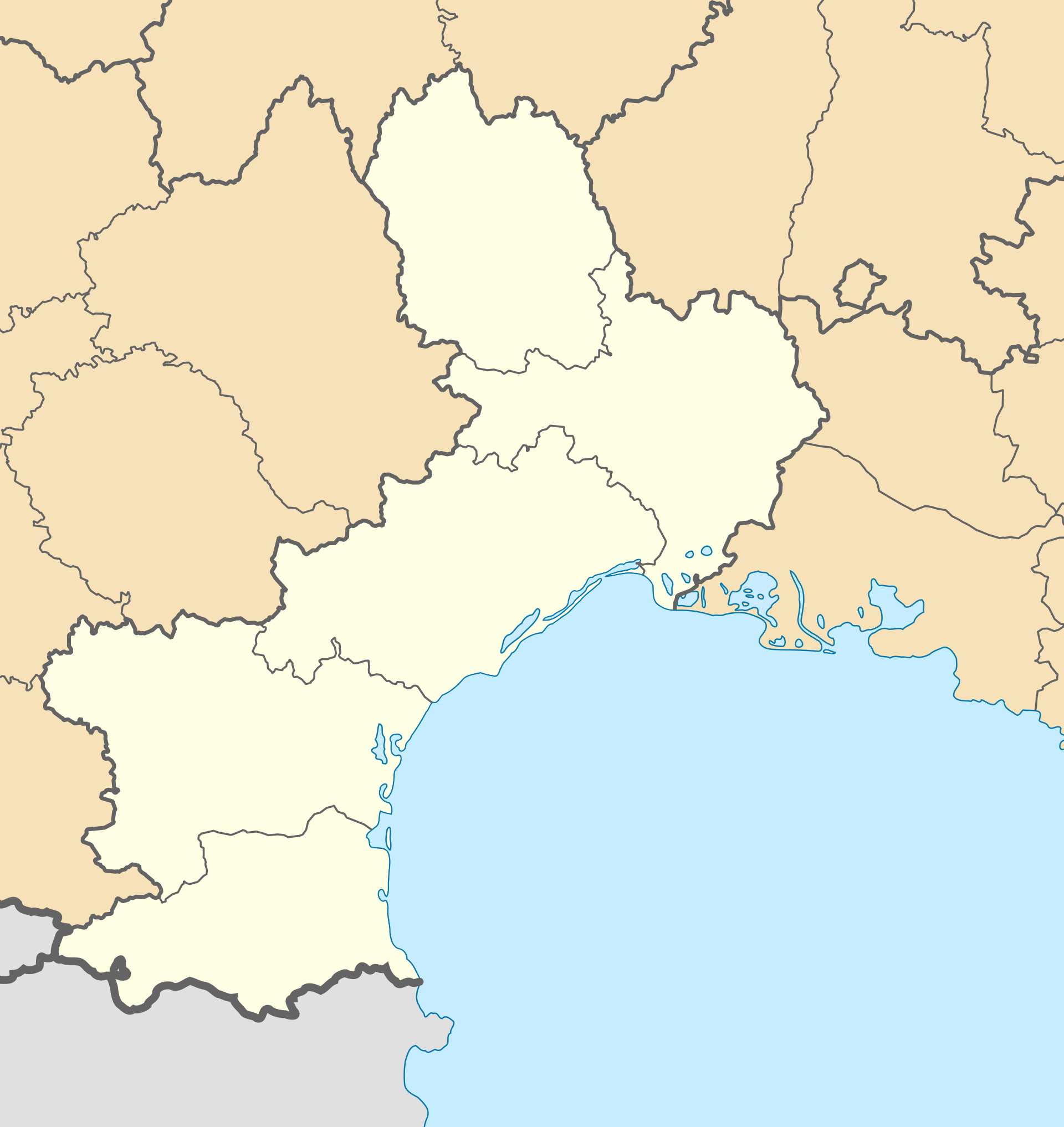
France’s archives départementales hold the main records. For Languedoc, the key departments are Aude (Carcassonne), Hérault (Montpellier), Gard (Nîmes), Lozère (Mende), and Pyrénées-Orientales (Perpignan). Each department runs its own archive. Many have free online search portals.
Civil records begin in 1792. Parish records go further back — some to the 1500s. FamilySearch holds large digitised collections of Languedoc records, free to access.
If your family was Protestant, search the Huguenot records separately. The Société de l’Histoire du Protestantisme Français holds extensive material in Paris. Protestant families in Languedoc kept their own registers, which are often more complete than the Catholic parish records for that group.
For Canadian connections, the PRDH (Programme de recherche en démographie historique) at the Université de Montréal links Quebec vital records to French origins. It is one of the best tools available for tracing a family line from Quebec back to France.
Our full guide to tracing your French ancestry covers these archives step by step.
Where to Visit in Languedoc Today
Carcassonne is the most iconic site in the region. The medieval walled city — a UNESCO World Heritage site — rises above the Aude plain. Its towers and walls date back to Roman times. The Visigoths rebuilt them. The French crown strengthened them. Walking the ramparts, you walk the streets where Languedoc’s families once lived.
Nîmes is older still. Its Roman arena still hosts events. The Maison Carrée is one of the best-preserved Roman temples in Europe. For anyone researching a surname with Latin roots, Nîmes makes the Roman layer of southern France very real.
The village of Minerve, in the Hérault, sits on a rocky spur above two rivers. The Cathars made their stand here in 1210. Today it is a small, beautiful place that carries the weight of everything Languedoc endured. It is one of the most moving villages in France.
The Canal du Midi runs from Toulouse to the Mediterranean. Built in 1681, it transformed trade along the coast. Many families built their lives beside its banks. A slow boat trip along the canal is one of the great ways to see the region at its own pace.
For genealogical visits, start with the mairie (town hall) of your ancestral commune. They hold local records and may know family names going back many generations. The archives départementales welcome heritage visitors. Our full guide to planning a French heritage trip covers every step of the process.
Frequently Asked Questions
What does the surname Fabre mean in Languedoc?
Fabre comes from the Latin word faber, meaning a craftsman who works metal — a blacksmith or smith. It was one of the most common surnames in medieval Languedoc. The name spread to Quebec, Louisiana, and the French Caribbean, where it appears in colonial records from the 17th century.
Why do Languedoc surnames look different from northern French names?
Languedoc surnames are rooted in Occitan, not northern French. Occitan was the language of the south. It has different sounds, endings, and roots. Southern surnames often end in -et, -at, -ol, or -ès, rather than the northern -eau, -ot, or -on. This makes them easy to spot once you know the pattern.
Did Languedoc families migrate to North America?
Yes. Families from Languedoc settled in Louisiana, Quebec, and the French Caribbean from the 17th century onwards. Huguenot refugees also went to South Africa and the British Isles after 1685. Names like Durand, Vidal, Fabre, and Bousquet appear in early colonial records across these destinations.
Where can I find records for my Languedoc ancestors?
Start with the archives départementales for the relevant department — Aude, Hérault, Gard, Lozère, or Pyrénées-Orientales. Civil records begin in 1792. Parish records go back to the 1500s in some cases. FamilySearch holds free digital collections. For Protestant families, search the Société de l’Histoire du Protestantisme Français.
What was the impact of the Huguenot persecution on Languedoc surnames?
The 1685 revocation of the Edict of Nantes ended religious tolerance for French Protestants. Many Huguenot families from Languedoc fled to South Africa, England, the Netherlands, and Ireland. In South Africa, surnames like Durand, Vidal, and Fabre became common in Cape Colony records. The diaspora scattered Languedoc names across three continents within a generation.
You Might Also Enjoy
- The Huguenots: France’s Great Exodus and Its Global Legacy
- French Surnames of Provence: Origins, Meanings and Family Heritage
- How to Trace Your French Ancestry: A Step-by-Step Guide
Plan Your France Trip
Ready to visit Languedoc and walk the streets your ancestors once knew? Our complete France travel planning hub covers everything from finding your ancestral commune to the best time to visit. Your heritage journey starts here.
Join 7,000+ France Lovers
Every week, get France’s hidden gems, seasonal guides, local stories, and the art of la vie française — straight to your inbox.
Subscribe free — enter your email:
Love more? Join 64,000 Ireland lovers → · Join 43,000 Scotland lovers → · Join 30,000 Italy lovers →
Free forever · One email per week · Unsubscribe anytime
Tours & experiences you might love


Powered by Viator. Some links are affiliate links — we may earn a small commission at no extra cost to you.

Leave a Reply