
On the first of May, something unusual happens across France. Strangers offer each other small bunches of white flowers. Florists set up on street corners without a licence. Neighbours who barely speak reach over garden walls with a sprig. Nobody finds this strange. They have been doing it for centuries.
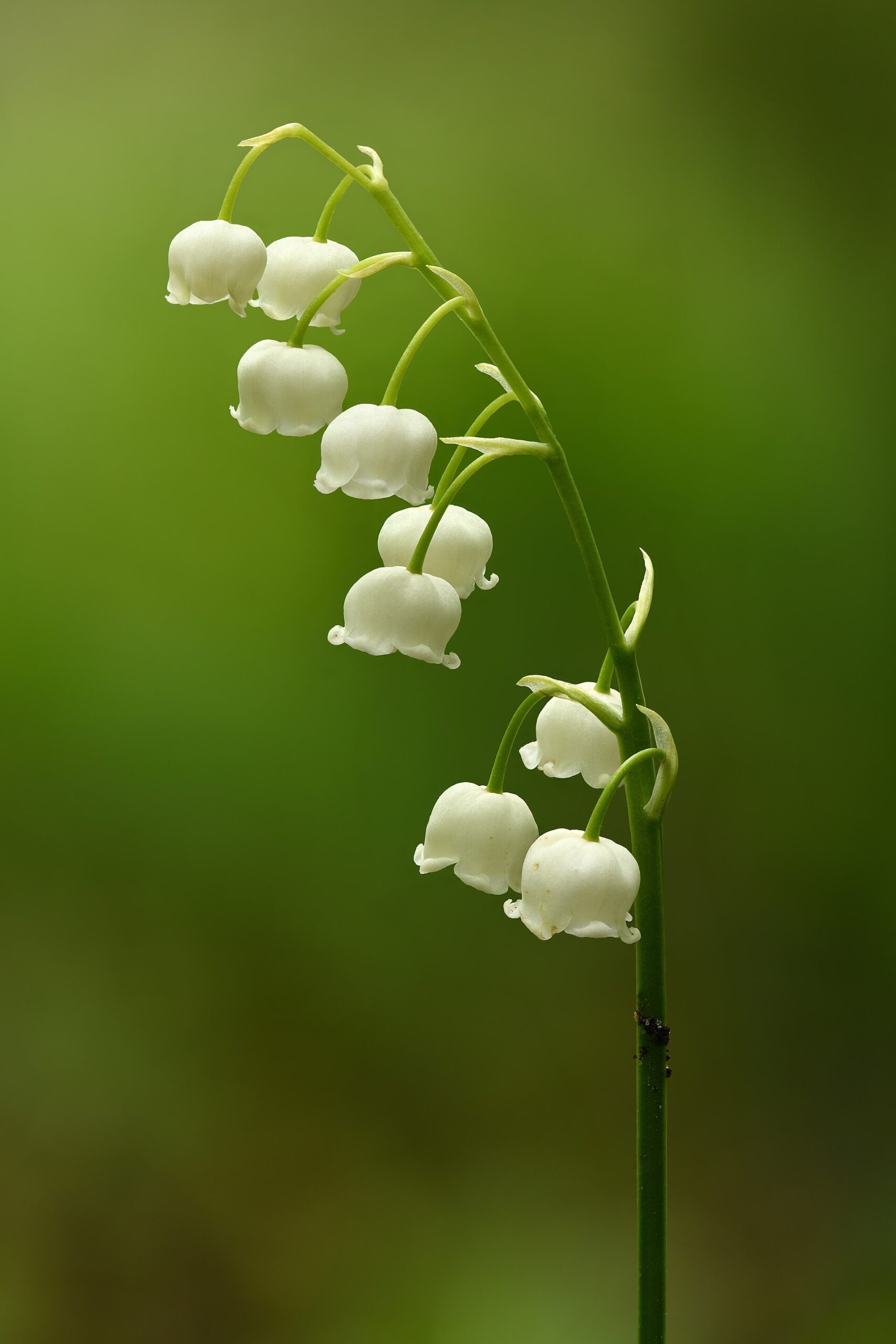
The flower is called muguet. In English, it is lily of the valley — small white bells on a slender green stem that smells of cold morning air. In France, it belongs to one day only.
A Gift That Began in a Palace
The story, as the French tell it, begins in 1561. King Charles IX was on a spring tour of the south of France when a local nobleman gave him a bunch of muguet as a token of luck. The king liked it so much that he began giving sprigs to the women of his court each May Day.
Royal customs tend to spread. Over the following centuries, the gesture passed from the palace to the bourgeoisie, then to market stalls and working households. By the nineteenth century, muguet on May 1st was simply what you did.
The date matters too. May 1st is also the Fête du Travail — Labour Day — a public holiday when France largely shuts down. The day off gave people time to seek out flowers. The two traditions grew together until they became inseparable.
The Day France Bends Its Own Rules
What makes muguet genuinely unusual is a quirk in French law. On May 1st and May 1st only, any private individual can sell lily of the valley without a vendor's licence and without paying tax on the proceeds.
The result is remarkable. On the morning of May 1st, people appear on every corner of every French town. Old women with buckets of garden cuttings. Teenagers with a folding table and a handwritten sign. Farmers who drove in from the countryside the night before.
They sell until they run out, then go home. No paperwork, no permits, no consequences. No other flower carries this exemption. No other day.
The Loire Valley's Secret Role
Over 50 million stems of muguet are sold across France on May 1st alone. Most of them come from one region.
The area around Nantes and Saint-Nazaire, in the Loire Valley, has cultivated lily of the valley commercially since the mid-nineteenth century. The soil and the Atlantic climate suit it perfectly. Entire villages in the Pays de la Loire exist, in large part, because of this flower.
By late April, the harvest begins in darkness — the blooms must be cut before daylight warms them. Stems are sorted, bundled in threes and sevens, wrapped in tissue, and loaded onto refrigerated trucks. Within 48 hours, they are on a street corner somewhere in France.
If you want to explore the region behind the flowers, the Loire Valley travel guide covers far more than châteaux.
Enjoying this? 7,000 France lovers get stories like this every week.
Thinking about it for retirement? If you’ve started thinking seriously about retiring there, our complete our full Retire in France guide covers the visa, healthcare, cost-of-living, and the regions worth shortlisting.
What the Bells Are Supposed to Mean
Lily of the valley earned its French name — muguet des bois, forest lily — because it grows wild in the shade of oak and beech trees, flowering as spring takes hold. Each stem carries tiny white bell-shaped flowers that nod in the breeze.
French tradition holds that a stem with thirteen bells brings exceptional luck. Most commercial stems carry seven or nine. If you find one with thirteen, you keep it and say nothing.
Children have long believed that muguet heard jingling faintly in the woods means your wishes will be granted that year. Adults tend to smile at this rather than disbelieve it.
How to Take Part
If you are in France on May 1st — and note it is a public holiday, so most things will be closed — buy a bunch from a street seller. It costs almost nothing: usually one or two euros.
Give it to the person you are with. Or to someone you have just met. The tradition does not require a relationship or an occasion. You hand over the flowers, you wish them luck, and that is enough.
There are no complicated rules. No particular words. No ceremony. Just a small bunch of white bells and the understanding that this is what France does in spring. Four and a half centuries on, it still holds.
Ready to plan your own spring visit? Our France travel planning guide has everything you need to make the most of May.
Join 7,000+ France Lovers
Three times a week, get France's hidden gems, seasonal guides, local stories, and the art of la vie française — straight to your inbox.
Subscribe free — enter your email:
🇫🇷 Discover the France Most Tourists Never Find
Get our free guide to 25 hidden villages of France — then join 7,000+ readers for weekly stories about places most guidebooks never mention.
Get Your Free Village Guide →Love more? Join 65,000 Ireland lovers → · Join 43,000 Scotland lovers → · Join 30,000 Italy lovers →
Free forever · Unsubscribe anytime
France does not need much to mark a moment. A flower, a day, a gesture that everyone understands. On the first of May, muguet says everything that needs to be said: the cold is over, the year is turning, and we made it through together.
🇫🇷 You Might Also Love
Tours & experiences you might love


Powered by Viator. Some links are affiliate links — we may earn a small commission at no extra cost to you.

Leave a Reply