Something strange happens on your first morning in France. You walk into a café, order a coffee, and notice nobody is in a rush. A man reads a newspaper at a corner table. Two women talk for an hour over a single espresso. The waiter does not hover. Nobody asks you to leave.
Welcome to French café culture. It is unlike anything you will find in London, New York, or Toronto. The café is not just a place to drink coffee. It is a place to think, talk, read, argue, and slow down. Once you understand this, France makes a lot more sense.
The Café as a French Institution
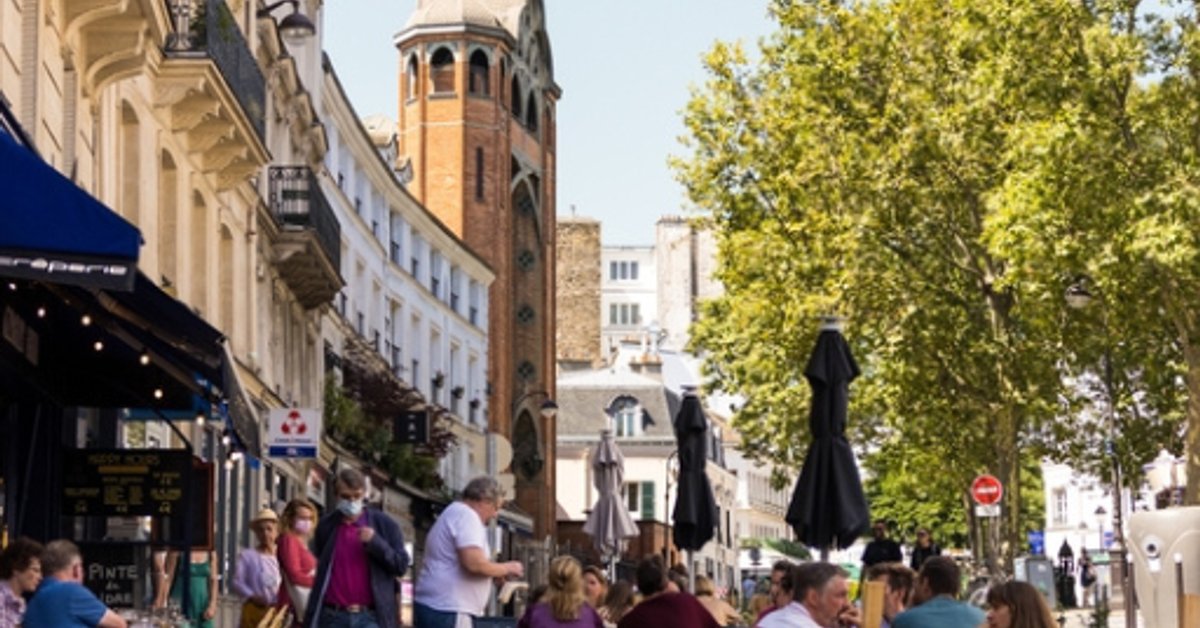
France has over 35,000 cafés today. At its peak in the 1960s, that number was close to 200,000. Even now, the French café remains one of the most important social spaces in the country.
The first café in Paris opened in 1686. It was called the Café Procope, and you can still visit it today on the Rue de l’Ancienne-Comédie. Voltaire drank chocolate there. Benjamin Franklin worked at a table by the window. Napoleon once left his hat as payment for a bill he could not cover.
In the following century, the café became the heartbeat of French public life. Writers argued over politics. Philosophers debated ideas that would reshape Europe. Parts of the French Revolution were planned in café booths. The impressionist movement was born over coffee and red wine in Parisian café corners.
The café has never been just about the drink. It is the third place — not home, not work, but the space between them where French society breathes.
🇫🇷 Enjoying this? 7,000 France lovers get stories like this every week.
Thinking about it seriously? If you’ve started actually planning a move, our complete our complete Moving to France guide walks through every step, every cost, and the paperwork that catches most people out.
The Sacred French Lunch Break
France is one of the few countries where the lunch break still means something. French labour law gives workers one hour off for lunch. Most take longer. Many take two.
During that time, sitting at your desk with a sandwich is close to unthinkable. The French see eating as a pleasure. It deserves time and attention. Work can wait.
This is where the café earns its place. At noon, every café fills up. People order a set lunch — the formule — which might include a starter, a main, a glass of wine, and a coffee. They eat slowly. They talk. They do not look at their phones.
This is not laziness. It is a philosophy. The French believe that rest makes you better at your job. A proper lunch means you think more clearly in the afternoon. Read more about this mindset in our piece on French work culture versus American work culture.
The desk lunch is not just unpleasant in France. It signals that work controls you. The French find this alarming. For them, the lunch hour belongs to the person, not the employer. You leave. You sit down. You eat well. You come back refreshed.
How to Order at a French Café Like a Local
Ordering at a French café has its own rules. Learn them and the whole experience improves.
Un café means a small, strong espresso. That is all. If you ask for “a coffee,” that is what arrives. If you want something milkier, ask for un café crème or un café au lait.
Un allongé is an espresso with added hot water — close to an Americano. Un noisette is an espresso with a splash of milk. Many French people order it at mid-morning.
At the counter (le comptoir), coffee is cheapest. At a table, you pay a little more. On the terrace, slightly more again. This is not a trick. Standing at the bar is for the quick stop. Sitting down means you have decided to stay.
Never ask for the bill before you are ready to leave. The waiter stays away on purpose. To get the bill, catch their eye and say l’addition, s’il vous plaît. Tipping is appreciated but small — rounding up to the nearest euro is enough.
The Historic Cafés That Changed France
Some French cafés are not just cafés. They are chapters of history.
Café de Flore on the Boulevard Saint-Germain opened in 1887. Jean-Paul Sartre and Simone de Beauvoir worked there every morning for years. They arrived early, ordered coffee, and wrote until noon. Sartre said it was warmer than his flat and cheaper than heating it.
Les Deux Magots, just across the square, was where Hemingway wrote. André Breton met the Surrealists there. James Joyce drank whiskey at a corner table.
Café de la Paix near the Opéra is so grand it feels like dining inside a painting. Oscar Wilde claimed that whoever sat there long enough would see the whole of Paris pass by.
These places still exist. You can sit in them today for the price of a coffee. You are not just buying a drink. You are buying a seat in French cultural history.
The French Café and the Apéritif Hour
The café does not stop at coffee. At around six in the evening, a different rhythm begins.
Glasses of wine and pastis appear. Small dishes of olives arrive at tables. Friends show up without having arranged it in advance. The French call this the apéritif hour, and the café is its natural home.
The French never drink without eating something alongside. Even a single glass of wine comes with something small. This is not about restraint. It is about pleasure. Drinking and eating together is more enjoyable than either one alone.
We wrote about this tradition in our guide to the art of the French apéritif. The café terrace is where that tradition comes alive every evening across France.
How to Experience French Café Culture on Your Visit
The best way to experience French café culture is to do nothing, slowly.
Find a terrace with a good view of the street. Sit down. Order a coffee or a glass of wine. Do not look at your phone. Watch the street instead.
In the morning, the French order coffee and a croissant. They eat quickly at the counter or sit for ten minutes at a table. The morning is brisk and purposeful.
By late morning, the pace slows. Office workers take a second coffee. Retirees settle in for longer. The café fills with quiet conversation.
At noon, the café is at its busiest. Order the formule du jour — the daily set menu. It is always fresh and always good value. This is how most French people eat lunch every weekday.
By three, the lunch crowd clears. The afternoon is quiet. A single coffee, a newspaper, the late afternoon sun on the terrace.
At six, the apéritif hour arrives. Wine glasses appear. The mood shifts. The café fills again with a different crowd — colleagues, friends, couples ending the working day.
Each time of day has its own rhythm. The real pleasure is staying long enough to feel the shift. This is something the French Sunday offers in concentrated form — an entire day lived at café pace.
If you are planning your trip around these rhythms, start here with our France trip planning guide. It covers the best regions, how to move between them, and how to slow down and enjoy the country.
And to understand the wider picture of how the French live, our piece on why French people live longer explains the diet and daily pace behind French longevity.
What is French café culture?
French café culture is the tradition of using cafés as social spaces — not just for coffee, but for work, reading, long lunches, and evening drinks. Cafés have shaped French public life since the 17th century and continue to do so today.
Why do the French sit in cafés for so long?
The French treat the café as a proper place to spend time, not just a quick stop. The waiter will not rush you. Staying for an hour over one coffee is completely normal. Sitting, watching, and thinking are all valid activities in French daily life.
How do you order coffee in a French café?
Ask for un café to get a small espresso, un café crème for espresso with milk, or un allongé for a longer version with water. To pay, ask for l’addition, s’il vous plaît. Always greet the staff when you enter — it matters in France.
What is the best time to visit a French café?
Mornings (8–10am) are lively and fast. Late morning is relaxed and ideal for a second coffee. Noon to 2pm is the busy lunch hour — order the formule. Afternoons are quiet and peaceful. From 6pm, the apéritif hour brings a completely different atmosphere.
Do French cafés expect a tip?
Tipping is not required but is always appreciated. The standard approach is to round up to the nearest euro. Leaving one or two euros for table service is generous. The price you pay already includes service, so never feel obliged to tip.
You Might Also Enjoy
- How the French Spend Sunday: A National Ritual
- Les Grandes Vacances: How the French Do Summer
- The Art of the French Apéritif: How France Drinks Before Dinner
Plan Your France Trip
Ready to sit at a real French café and feel this for yourself? Our France trip planning guide covers where to go, how long to stay, and how to build a trip around the pace and pleasures of French life.
Join 7,000+ France Lovers
Every week, get France’s hidden gems, seasonal guides, local stories, and the art of la vie française — straight to your inbox.
Subscribe free — enter your email:
Love more? Join 64,000 Ireland lovers → · Join 43,000 Scotland lovers → · Join 30,000 Italy lovers →
Free forever · One email per week · Unsubscribe anytime
Tours & experiences you might love


Powered by Viator. Some links are affiliate links — we may earn a small commission at no extra cost to you.

Leave a Reply