
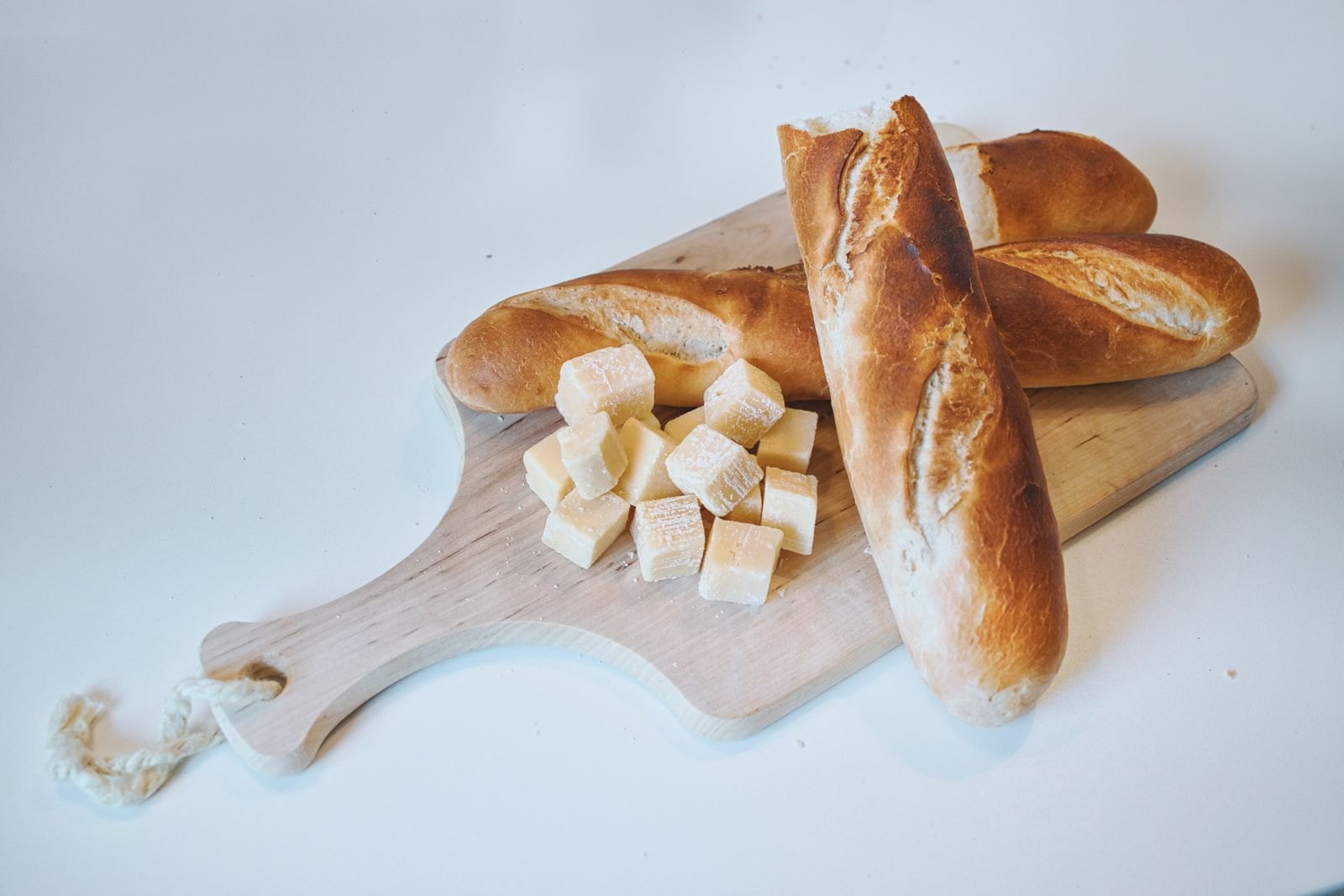
Every weekday at noon, around 6 million French children sit down to a proper four-course lunch. Not a sandwich grabbed on the go. Not a tray of beige shapes wrapped in plastic. A real meal — starter, main, cheese, and dessert. In France, this is not a privilege. It is simply Tuesday.
What Actually Happens at a French School Cantine
Walk into a French school cafeteria — a cantine — and it looks nothing like what you might expect. Children sit at proper tables with cutlery. There is no queue of reluctant faces poking at mystery food.
The meal arrives in courses. A starter might be a green salad dressed in vinaigrette, or a slice of melon, or a few spoonfuls of tabbouleh. The main course follows — fish with ratatouille, perhaps, or a beef stew with roasted carrots. Then cheese. Then dessert, usually fresh fruit or a plain yoghurt.
This happens every school day. Not as a special occasion. As a matter of routine.
France Wrote Laws to Make This Possible
None of this is accidental. France has national regulations — known as the décret cantine — that legally govern what must appear on school lunch menus every week.
The rules require protein, vegetables, a dairy product, and fruit across the weekly rotation. Fried food can appear no more than once every five days. Vending machines selling sweets are banned from school premises entirely.
The regulations were strengthened in 2019 and apply to all French public schools. The goal is not simply nutrition. It is cultural transmission. French children are expected to learn to eat well, to sit at a table, to try unfamiliar food without drama.
The Cheese Course Is Not Negotiable
What surprises foreign parents most is the cheese course. In France, no school lunch is truly complete without it. Children as young as six choose from a small selection — perhaps three or four types, maybe a brie, a comté, and a local regional cheese — as calmly as any adult in a bistro would.
This is entirely intentional. France’s food culture is something the country actively protects and passes on. If you want to understand how the French teach children to eat, the cantine cheese course says everything without needing to say a word.
A six-year-old choosing between comté and brie is not unusual here. It is expected.
Enjoying this? France lovers get stories like this every week. Subscribe free →
Time Is the Secret Ingredient
In many countries, children eat lunch in under 20 minutes. In France, the minimum legal time allocated for a school lunch is 30 minutes. Most schools give children 45 minutes to an hour.
That is not an accident either. The French believe that eating deserves time. Rushing a meal is considered almost rude — an insult to the food, to the cook, and to the people you’re eating with. Children absorb this long before they understand it consciously.
It connects directly to the broader rhythm of French life. The same instinct that fills a cantine table at noon is what keeps the long Sunday lunch alive in every French family across the country, generation after generation.
What It Teaches Beyond Food
The cantine is not only about nutrition. It is a daily lesson in patience, conversation, and tasting things you might not immediately like. In many schools, meals are served by staff who dish up portions — children must ask politely, wait their turn, and experience food as something to be received rather than seized.
Studies consistently show that children who eat structured meals with others develop broader palates and a more relaxed relationship with food. France figured this out long before food science had the data to prove it.
If you want to understand French culture — why the French care so much about food, why they linger over meals, why eating alone is considered a little sad — the cantine is where it all begins. You can read more about planning your trip to France and experiencing the food culture for yourself.
Somewhere in France right now, a six-year-old is choosing their cheese for lunch. Not because it is fashionable or healthy. Because in France, this is simply what you do.
Join the France Lovers
Three times a week, get France’s hidden gems, seasonal guides, local stories, and the art of la vie française — straight to your inbox.
Subscribe free — enter your email:
Free forever · Unsubscribe anytime
🇫🇷 You Might Also Love

Leave a Reply