
There are two things most visitors to the south of France get wrong about pastis. They drink it too fast. And they pour the water incorrectly. In Marseille and Provence, a glass of pastis is not simply a drink. It is an appointment with the afternoon — and the afternoon expects you to keep it.
Where Pastis Came From
In 1932, a 23-year-old entrepreneur named Paul Ricard began selling an anise-flavoured spirit from the back of a van in Marseille. He called it pastis, a Provençal word meaning “thorough mix.” France had banned absinthe in 1915, and the south was thirsty for something to replace it.
Ricard’s creation spread fast. By the time the Second World War began, pastis had become so popular that the Vichy government banned it too — officially because of alcohol restrictions, but also, it was said, because it was making people too content to feel any urgency. The ban lasted nearly ten years.
When it was lifted in 1951, the whole south of France exhaled. In the decades since, pastis has only deepened its roots. Ricard and Pernod are the two names most drinkers know. Pastis 51 is quieter and cheaper. Henri Bardouin is the craft version — made in the Alpes-de-Haute-Provence with 65 wild plants. The south has strong opinions about which one.
The Glass, the Water, the Ritual
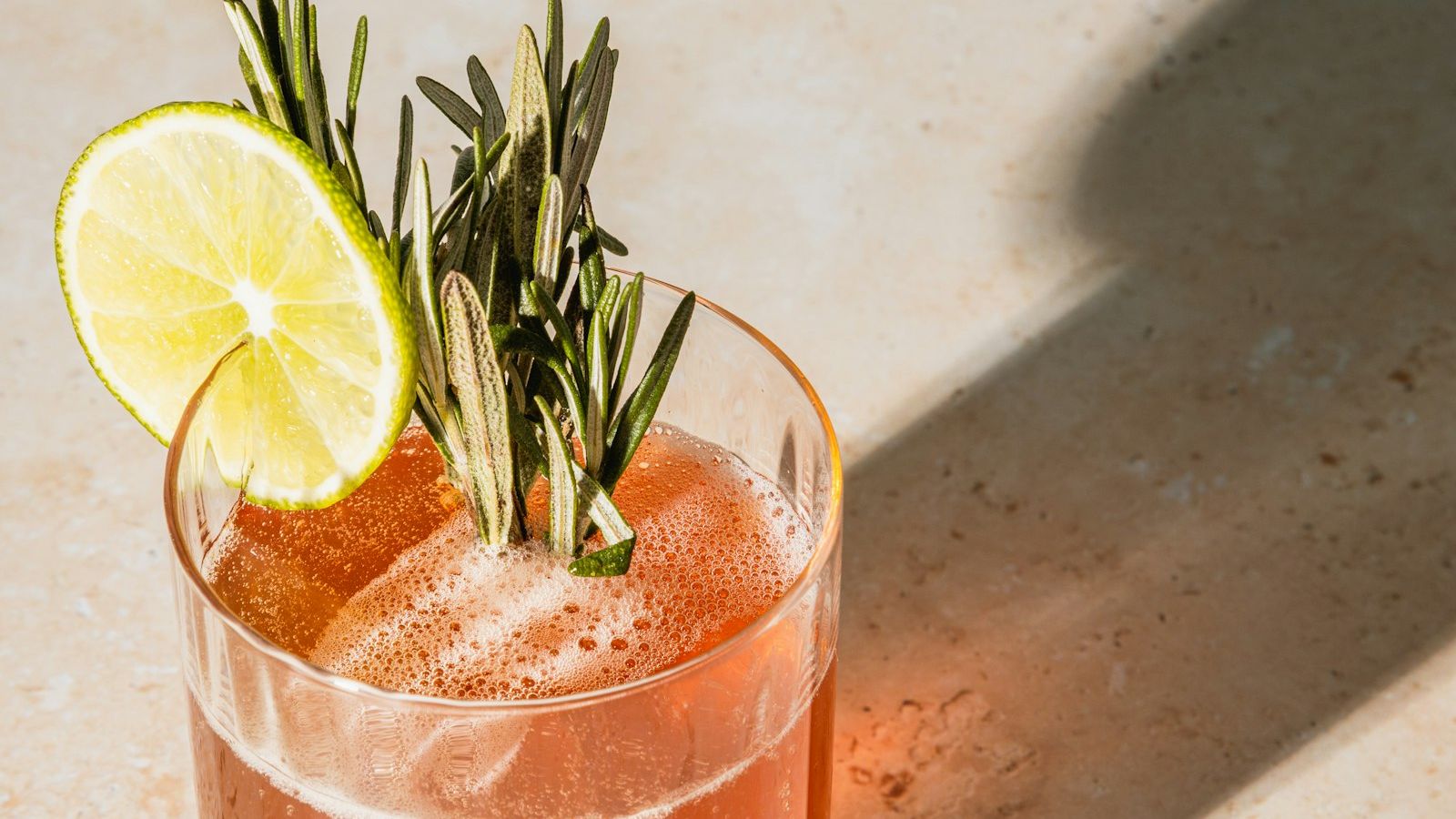
The preparation is not optional. Pastis in the bottle looks pale gold, almost clear. Pour it first — one part only. Then add five parts cold water. As the water meets the spirit, the glass turns cloudy, milky white. This is called the “louche,” and it happens when the aromatic oils in the anise lose their solubility in water.
Never add ice before the water. The order is non-negotiable: spirit first, water second, ice only after — if you want it at all. Many people in the south keep their glasses in the freezer and skip the ice entirely.
The ratio matters more than most people realise. One to five. Too much pastis and it tastes medicinal and sharp. Too much water and it becomes pale, thin, something that has forgotten what it wanted to be. Locals know their glass by instinct. Visitors learn by getting it wrong once.
The Hour That Belongs to Pastis
Pastis is not a morning drink. It belongs to a very specific window — the hour or two between the end of the working day and the beginning of the evening meal. Roughly five o’clock to seven. In Provence, they call this the apéritif hour. Pastis is what makes it distinctly southern.
Find a table outside a café in Aix-en-Provence or a bar on the Vieux-Port in Marseille. Order a pastis. Watch what happens around you. Old men settle in front of a pétanque court. The smell of dry heat rises from the stone. Ice ticks quietly against the glass. Nobody is in any hurry.
This is not accidental. The pastis hour is a protected thing. It is the moment the day stops accelerating. Whatever felt urgent an hour ago can wait. The south has always understood something the north is still working out.
Enjoying this? 7,000 France lovers get stories like this every week. Subscribe free →
What It Actually Tastes Like
The first sip catches most people off guard. It is herbal and intensely anise — liquorice-forward, warm at the back of the throat. It tastes like somewhere very specific. Like the garrigue, the wild herb-scented scrubland of the south, has been dissolved into your glass.
By the second sip, your palate has adjusted. Subtler notes come forward — star anise, aromatic herbs, dry heat folded into liquid. Regulars say you only truly understand pastis on the third glass. That is the one you order in no rush at all, with the light going golden and nowhere particular to be.
The Variations Nobody Tells Tourists About
Order a pastis and nobody bats an eye. But regulars sometimes build on the base. A mauresque adds a splash of orgeat — the almond syrup — turning the drink slightly sweet and softening the anise edge. A tomate adds grenadine, giving the glass a faint blush of red. A perroquet adds mint syrup, turning it green.
None of these are tourist inventions. They are the ordinary shortcuts of people who know this drink well enough to adapt it. The names are playful — a parrot, a tomato, a Moorish woman. The south likes its pleasures to have good nicknames.
Why the South Never Apologises For It
Pastis is a deeply regional drink. In Paris, people order wine or a kir. In Bordeaux, they open a Bordeaux. But in Marseille, Montpellier, Aix, Toulon — pastis is the default. The thing people reach for without thinking.
Northerners sometimes wrinkle their noses. The anise is strong. The cloudiness unnerves people used to clear spirits. But that is precisely the point. Pastis does not apologise for being exactly what it is: the honest, unhurried taste of the south.
If you are planning a trip to the south of France, do not skip this ritual. Order a pastis. Sit outside with it. Watch the afternoon move at its southern pace. The drink will teach you more about where you are than any guidebook ever could.
Join 7,000+ France Lovers
Three times a week, get France’s hidden gems, seasonal guides, local stories, and the art of la vie française — straight to your inbox.
Subscribe free — enter your email:
Free forever · Unsubscribe anytime
🇫🇷 You Might Also Love
Tours & experiences you might love


Powered by Viator. Some links are affiliate links — we may earn a small commission at no extra cost to you.

Leave a Reply