
Provence Travel Guide: Everything You Need to Plan Your Visit
A Provence travel guide could fill an entire shelf — because this corner of southern France rewards deep attention. From the lavender plateau of Valensole to the hilltop villages of the Luberon, Provence is one of those places that people visit once and spend years trying to return to. Whether you are planning your first trip or your fifth, this guide covers what actually matters: where to go, when to go, how to get around, and what to eat.
Love France? Join 7,000+ readers on our free newsletter → lovetovisitfrance.substack.com
What Makes Provence Different
Provence sits in the south-east of France, bordered by the Alps to the north-east, the Rhône River to the west, and the Mediterranean coast to the south. That geography shapes everything. The air is dry and fragrant with wild herbs. The light falls at a low, golden angle that made this region irresistible to Cézanne, Van Gogh, and generations of painters after them. The pace of life slows considerably once you cross south of Lyon.
Unlike Paris, which rewards a packed itinerary, Provence punishes hurry. The best moments here happen at a long lunch table, or on a slow walk between two medieval villages, or standing in a lavender field in the early morning before anyone else arrives. Plan fewer things and stay longer. That is the single most useful piece of advice for any Provence trip.
Best Time to Visit Provence
Spring (April to June)
Late spring is arguably the finest time to visit Provence. The landscapes are green and bright, the tourist crowds have not yet arrived in full force, and the temperatures sit comfortably between 15°C and 25°C. The cherry orchards around Mont Ventoux blossom in April. The markets overflow with asparagus, strawberries, and fresh herbs from early May. Accommodation prices are still reasonable, and booking a table at a good restaurant does not require weeks of advance planning.
Lavender Season (Mid-June to Mid-August)
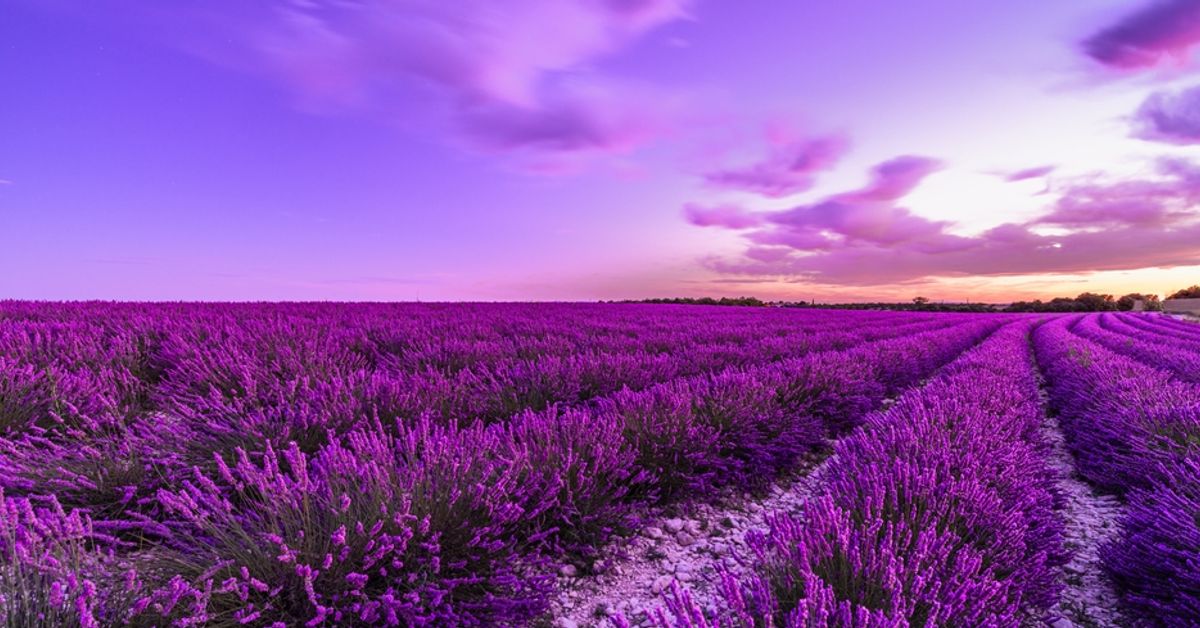
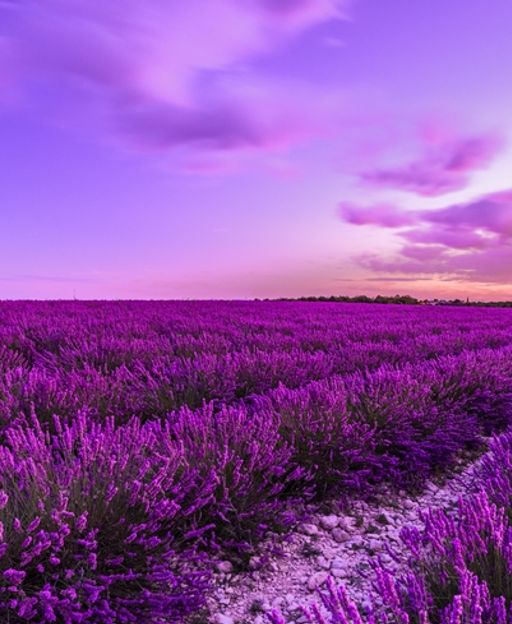
The lavender of the Valensole plateau and the Luberon is what draws many first-time visitors. Peak bloom typically falls in the second and third weeks of July, though this shifts slightly each year depending on temperatures. The fields are undeniably spectacular — rows of deep purple stretching to the horizon, the air thick with fragrance — but this is also the busiest and hottest period. Temperatures regularly exceed 35°C. Book accommodation several months ahead if you are visiting in July.
Autumn (September to October)
September brings the grape harvest across the Luberon and the Rhône Valley, which means the vineyards turn gold and the villages fill with the smell of new wine. The crowds thin noticeably after the school summer holidays end in late August. Markets remain fully stocked well into October, and the light turns amber in a way that feels almost theatrical. Many experienced travellers consider September and October to be the true sweet spot.
Winter (November to March)
Provence in winter is quiet and raw. Many restaurants and small hotels close between December and February. The Mistral — the fierce cold wind that funnels down the Rhône Valley — can blow for days at a stretch and makes the cold feel sharper than the temperature suggests. That said, cities like Avignon, Aix-en-Provence, and Marseille remain open year-round and have a completely different, more local character out of season. Read more about how the Mistral has shaped Provence’s culture and architecture — it explains a great deal about why the buildings here look the way they do.
Where to Go in Provence
Avignon
Avignon is the obvious starting point for many visitors. The Palais des Papes — the enormous medieval fortress that served as the seat of the Catholic Church in the 14th century — is the most visited monument in Provence, and it earns that status. Walk the ramparts at dusk. Cross the Rhône on the famous half-bridge. The old town is compact enough to cover on foot in a day, but interesting enough to justify two or three nights if you want to explore the surrounding countryside as a base.
Aix-en-Provence
Aix is the most handsome city in Provence, and many people who come for a day end up wishing they had booked three. The Cours Mirabeau — a wide, plane-tree-lined boulevard flanked by grand townhouses and pavement cafés — is one of the great streets of France. The city is also inseparably linked to Paul Cézanne, who was born here and painted the nearby Mont Sainte-Victoire more than 80 times. His studio on the edge of town is still intact and open to visitors.
The Luberon
The Luberon is a long ridge of hills running east to west across the Vaucluse department. The hilltop villages perched along its flanks — Gordes, Bonnieux, Lacoste, Ménerbes — are among the most photographed in France, and with good reason. Gordes in particular, with its stone houses stacked in tiers above a valley, is genuinely jaw-dropping from a distance. Nearby, the Abbey of Sénanque sits in a natural hollow surrounded by lavender fields, forming one of Provence’s most recognisable images.
The Camargue
The Camargue lies west of Marseille, where the Rhône divides before meeting the Mediterranean. It is a flat, marshy world entirely unlike the rest of Provence — wild white horses, pink flamingos, vast salt flats, and the dark-skinned local bulls. The town of Saintes-Maries-de-la-Mer at its southern tip draws Roma pilgrims every May in one of France’s most extraordinary and little-known festivals. The Camargue rewards slow travel and early mornings, when the wildlife is most active and the light most extraordinary.
The Alpilles
The Alpilles are a small, dramatic range of white limestone hills rising from the plain between Avignon and Arles. Les Baux-de-Provence, clinging to the ridge at the top, was one of the most powerful fortresses in medieval Provence and has views that stretch to the sea on clear days. Below the hills, the olive groves produce some of France’s finest oil, and the small town of Saint-Rémy-de-Provence — where Van Gogh was hospitalised and painted The Starry Night — is one of the most pleasant bases in the region.
Getting Around Provence
The honest truth about getting around Provence is that a car makes an enormous difference. Public transport connects the main cities reasonably well — there are regular TGV and TER trains between Marseille, Avignon, Aix-en-Provence, and Arles — but the smaller villages, the lavender fields, the Luberon backroads, and the Camargue wetlands are virtually inaccessible without your own wheels. Hiring a car at Marseille Provence Airport or Avignon station for the rural portion of your trip is the standard approach for most visitors.
If you are basing yourself in one of the larger cities and doing day trips, there are good options. The approach used for day trips from Paris — getting out early, going to one place properly rather than several superficially — works just as well from Avignon or Aix.
What to Eat and Drink
The Food
Provençal cooking is Mediterranean in spirit and Mediterranean in ingredients. Olive oil replaces butter. Tomatoes, garlic, aubergine, courgette, and fresh herbs go into almost everything. The quintessential summer dish is ratatouille — a slow-cooked vegetable stew that tastes nothing like the restaurant versions you may have tried elsewhere. Soupe au pistou, the region’s equivalent of Italian minestrone, is a late-summer bowl of vegetables finished with a basil and garlic paste that fills the whole kitchen when it hits the pan.
Bouillabaisse, the famous fish stew of Marseille, has been both celebrated and corrupted beyond recognition. The real version uses at least four types of whole Mediterranean fish — rascasse is essential — and arrives in two courses: the broth first, then the fish. It takes all day to make and costs accordingly. If you are paying less than €50 per person for bouillabaisse in Marseille, it is probably not the real thing.
The Wine
Provence produces more rosé than any other region in France — around 140 million bottles a year — and most of it is very good. The pale, dry, salmon-pink style that has conquered restaurant wine lists across Europe and North America originates here. The appellations to look for are Côtes de Provence, Coteaux d’Aix-en-Provence, and the smaller, more prestigious Bandol. Bandol also produces outstanding red wines based on the Mourvèdre grape, which can age for 15 or 20 years. The wines of the southern Rhône Valley — Châteauneuf-du-Pape, Gigondas, Vacqueyras — are technically just across the border but feel part of the same world.
How Many Days Do You Need?
A week is the minimum for Provence to start to feel real. Less than that and you spend most of your time moving rather than experiencing. Ten to fourteen days allows you to cover Avignon, the Luberon, the Alpilles, Arles, and the Camargue without feeling rushed. If you are combining Provence with other parts of France, Normandy makes a logical pairing — entirely different in landscape and character, but equally rewarding for travellers who want to understand the full range of France.
Practical Information
Getting There
Marseille Provence Airport (MRS) receives direct flights from the United States, Canada, the UK, and most major European cities. Avignon and Nîmes have smaller airports with limited connections. Many visitors arrive by TGV — the Paris to Marseille journey takes around three hours, and Paris to Avignon takes just under two and a half hours.
Language
English is spoken in hotels, larger restaurants, and tourist areas throughout Provence. In smaller villages and local markets, a few words of French are both useful and genuinely appreciated. The local greeting is simply Bonjour (good morning/day) or Bonsoir (good evening), and using it when entering a shop or sitting down in a café is considered basic good manners.
Money
France uses the euro. Card payments are widely accepted in cities and tourist areas, but smaller markets and village restaurants often prefer or require cash. Carry a small amount of euros when exploring rural areas. ATMs are available in all major towns.
You Might Also Enjoy
- The Wind That Has Shaped Provence and Its People for Centuries
- The Normandy Harbour Towns That Tourism Still Hasn’t Ruined
- First-Time Paris Itinerary: How to Spend 5 Days in the City of Light
Plan Your France Trip
Ready to start planning? Our complete France planning resource covers visas, itineraries, budgets, and the questions most travellers forget to ask until they are already there. Visit our France trip planning hub to get started.
Join 7,000+ France Lovers
Three times a week, get France’s hidden gems, local recipes, and travel inspiration — the kind you won’t find in any guidebook.
Subscribe free — enter your email:
🇫🇷 Discover the France Most Tourists Never Find
Get our free guide to 25 hidden villages of France — then join 7,000+ readers for weekly stories about places most guidebooks never mention.
Get Your Free Village Guide →Free forever · Unsubscribe anytime
🇫🇷 You Might Also Love
Tours & experiences you might love


Powered by Viator. Some links are affiliate links — we may earn a small commission at no extra cost to you.

Leave a Reply