
There is a village on a high plateau in the Massif Central that most people have never heard of. It sits quietly between pine forests and open meadows, about three hours south of Paris. During the Second World War, its residents did something extraordinary — and then, for decades, barely spoke about it.
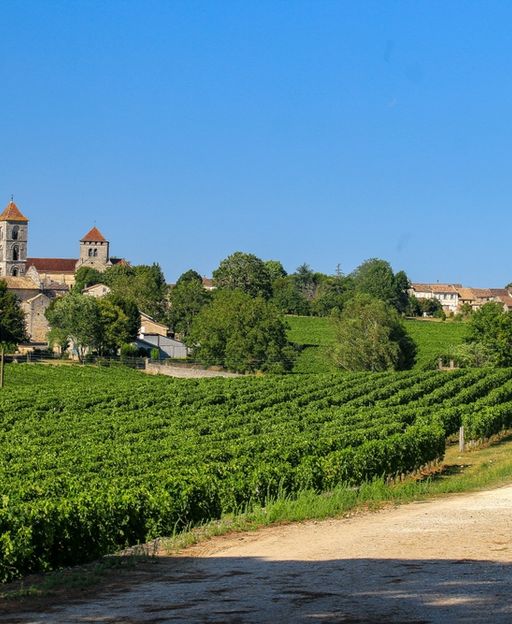
The Village on the Plateau
Le Chambon-sur-Lignon sits at around 960 metres above sea level in the Haute-Loire department of the Auvergne. It is a small Protestant community — a faith that made it an outsider in Catholic France for centuries. That history of quiet defiance would matter enormously when the Nazis arrived.
When France fell in 1940, the village came under the Vichy regime. Jews, political refugees, and those fleeing persecution began arriving in the surrounding villages. The local community — led by two Protestant pastors, André Trocmé and Édouard Theis — made a decision. They would shelter anyone who came to them.
What the Residents Did
Between 1940 and 1944, the villagers of Le Chambon and the surrounding plateau — a community of around 5,000 people — sheltered an estimated 3,000 to 3,500 refugees. Most were Jewish. Many were children. They hid in farmhouses, barns, and the homes of ordinary families.
When the Gestapo came asking questions, villagers gave unhelpful answers. When refugees needed to be moved, networks of farmers guided them through the forests. The operation ran for four years, openly known within the community, carried out with remarkable calm.
The pastors were arrested and briefly held. Trocmé’s cousin Daniel was taken and died in a concentration camp. The community continued regardless.
A Protestant Community with a Long Memory
The Huguenots — French Protestants — were persecuted for much of French history. They knew what it meant to be hunted for a belief. In the Cévennes and the Auvergne plateau, communities like Le Chambon had survived centuries of state repression. That shared memory may explain why, when the moment came, they acted with such collective resolve.
It was not heroism in the dramatic sense. It was something quieter — a shared sense of who they were and what they would not do. “We do not know what a Jew is,” Trocmé reportedly said to officials demanding names. “We know only men.”
Enjoying this? 7,000 France lovers get stories like this every week. Subscribe free →
Recognition, Delayed
For decades, the village said little about what it had done. It was not modesty, exactly — more a sense that they had simply done what was right. Why draw attention to it?
Recognition came slowly. In 1990, Yad Vashem — Israel’s Holocaust remembrance authority — recognised Le Chambon-sur-Lignon as a whole community of “Righteous Among the Nations.” It is extraordinarily rare for an entire village to receive this designation. Individual citizens have since been honoured separately.
A memorial museum, the Lieu de Mémoire au Chambon-sur-Lignon, now tells the story. It opened in 2013 and receives visitors year-round. There are also walking routes across the plateau where many of the events took place.
Visiting Today
Le Chambon-sur-Lignon is not a well-worn tourist trail. It takes effort to get there — the nearest major city is Lyon, roughly two and a half hours by car. But for those who make the journey, the plateau is striking: wide sky, cool air, dense forest, and a quietness that makes the wartime story feel strangely present.
The village is small enough to walk around in an afternoon. The museum is thoughtfully designed and manages to honour both the sheltered and the shelterers without sentimentality. Outside, the landscape looks much as it must have then.
If you are planning a trip through the Auvergne or Haute-Loire, Le Chambon deserves a detour. France has many monuments to the war. This one was built by people who simply refused to behave badly — and that, in its way, is the most remarkable monument of all.
Where to Learn More
The story of Le Chambon has been told in several books and documentaries. Philip Hallie’s Lest Innocent Blood Be Shed (1979) remains one of the most thorough accounts. A 1987 documentary by Pierre Sauvage, Weapons of the Spirit, was filmed partly on location with surviving witnesses.
France’s hidden history is rich — and not all of it is dark. If you find this kind of story compelling, you might also enjoy reading about the hidden passages of Lyon that the Resistance used during the same occupation, or the small plaques on French street corners that mark where ordinary people fell. And when you are ready to plan your own journey through France, start with our France travel planning guide.
Some of France’s most important places are not famous. They are simply there, on a plateau, waiting for you to arrive.
Join 7,000+ France Lovers
Three times a week, get France’s hidden gems, seasonal guides, local stories, and the art of la vie française — straight to your inbox.
Subscribe free — enter your email:
Free forever · Unsubscribe anytime
🇫🇷 You Might Also Love
Tours & experiences you might love


Powered by Viator. Some links are affiliate links — we may earn a small commission at no extra cost to you.

Leave a Reply