
Gorges du Verdon Travel Guide: France’s Grand Canyon and How to Explore It
The Gorges du Verdon is one of the most dramatic landscapes in Europe. Carved by the turquoise River Verdon through limestone cliffs that rise up to 700 metres, this canyon in Provence is often called France’s Grand Canyon — and it earns the comparison. Yet despite its scale, many visitors to the south of France drive straight past it. This Gorges du Verdon travel guide covers everything you need to plan your visit: when to go, where to stay, what to do, and how long to allow.
Love France? Join 7,000+ readers on our free newsletter → lovetovisitfrance.substack.com
What Is the Gorges du Verdon?
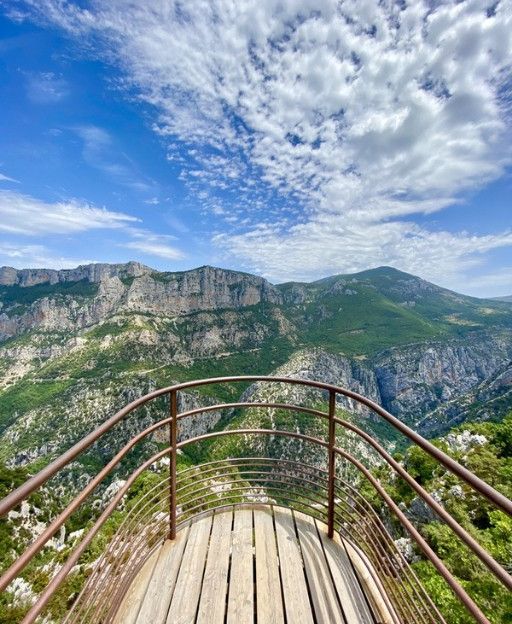
The Gorges du Verdon stretches roughly 25 kilometres through the Alpes-de-Haute-Provence department in southeastern France. The River Verdon, fed by snowmelt from the Alps, has carved a canyon through the limestone plateau over millions of years. The result is a gorge that drops as deep as 700 metres in places, with walls that glow white and ochre in the afternoon sun.
At the western end of the gorge sits Lac de Sainte-Croix, an enormous turquoise reservoir created in 1974. The combination of the gorge itself and this vast lake makes the Verdon one of the most visually striking destinations in France. It is completely unlike the rolling lavender fields and hilltop villages that most people associate with Provence — though those are nearby too.
Why the Water Is So Turquoise
The famous colour of the Verdon comes from the combination of glacial meltwater and the particular minerals in the limestone. Light scatters differently through these very cold, clear waters. On a sunny day, the river glows an almost unnatural green-blue that makes it look edited in photographs. It is not. That colour is real, and it is worth the detour.
🇫🇷 Free: The Perfect Provence & South of France Road Trip
A free 10-day itinerary covering Avignon, the Luberon villages (Gordes, Roussillon, Bonnieux), Marseille, Cassis, Aix-en-Provence, and the Camargue — with practical route notes most travel guides leave out.
Getting to the Gorges du Verdon
The Gorges du Verdon is not easy to reach by public transport. A car is strongly recommended. Most visitors base themselves in one of the nearby towns and drive into the gorge on day trips.
Driving from Major Cities
From Aix-en-Provence, the drive takes about 1 hour 45 minutes. From Nice, allow around 2 hours. From Marseille, it is roughly 2 hours. From Paris, the gorge is about 7 to 8 hours by car, making it better suited to a longer trip than a quick weekend run from the capital.
The roads around the gorge are narrow and winding. They are perfectly manageable in a standard hire car, but take care in high season when tourist traffic slows everything down. Larger campervans and motorhomes can struggle on some sections. Avoid the gorge road at night if you are not familiar with it.
The Two Rim Roads
Two roads run along the rim of the gorge on opposite sides. The Route des Crêtes (D23) follows the south rim and offers the most dramatic viewpoints. The Corniche Sublime (D71) follows the north rim and is slightly less vertiginous but still spectacular. To do the full loop, allow a full day and plan your route before you set off.
Where to Stay Near the Gorges du Verdon
Several villages serve as good bases for exploring the gorge. Your choice depends on whether you want a quieter base or easy access to the lake.
Moustiers-Sainte-Marie
Moustiers-Sainte-Marie is the most famous village near the gorge and the most visited. It sits at the western entrance and is known for its colourful faïence pottery and a distinctive star suspended on a chain high above the village. It is genuinely beautiful, with a waterfall that drops through the centre and narrow streets lined with shops and restaurants. In high summer, it can feel crowded. Arriving early in the morning or staying the night makes all the difference.
Castellane
Castellane sits at the eastern end of the gorge and is a practical base for those exploring the canyon’s more dramatic eastern sections. It is a small market town rather than a picturesque village, but it has a good range of accommodation and services. The Verdon Gorge walk known as the Sentier Martel starts near here.
Lac de Sainte-Croix Villages
The villages of Sainte-Croix-du-Verdon and Les Salles-sur-Verdon sit directly on the shores of the lake. Both are good options if you want kayaking and paddleboarding on the lake as well as gorge walks. Les Salles-sur-Verdon is a modern village rebuilt after the original was flooded when the reservoir was created in the 1970s.
Things to Do at the Gorges du Verdon
The Verdon offers far more than just scenic drives. It is an outdoor destination with excellent hiking, water sports, and climbing.
Walk the Sentier Martel
The Sentier Martel is the classic way to experience the gorge on foot. This 14-kilometre trail runs through the base of the canyon, following the river for much of its length. It passes through tunnels, along ledges, and over suspension bridges. The trail takes a full day and requires some physical fitness, but it is not technically difficult. You must arrange transport between the start and end points as it is a one-way route. Torches are essential for the tunnel sections.
Kayak and Paddleboard on Lac de Sainte-Croix
The lake at the western end of the gorge is warm, calm, and perfect for paddling. You can hire kayaks and paddleboards at several points around the lake. Paddling into the entrance of the gorge from the lake — where the cliffs close in above you and the water turns a deep turquoise — is one of the best experiences the Verdon has to offer. You do not need any paddling experience to do this, but you do need to start early to avoid afternoon winds.
Drive the Route des Crêtes
The Route des Crêtes follows the south rim of the gorge and has a series of numbered viewpoints (Belvédères) where you can stop and look down into the canyon. The drops are extraordinary. Some of the best viewpoints include the Belvédère de la Carelle, the Belvédère du Tilleul, and the Belvédère de l’Escalès, where the cliffs are among the most vertical sections of the entire gorge.
Rock Climbing in the Verdon
The Verdon is one of the most famous climbing destinations in France. The sheer limestone walls offer routes for all levels, though the most famous lines are serious undertakings suited to experienced climbers. The village of La Palud-sur-Verdon is the centre of the climbing community. Several guiding companies here offer introductory sessions for those who want a taste of the sport.
Explore Moustiers Faïence Workshops
Moustiers-Sainte-Marie has produced decorative pottery since the 17th century. The village is still home to a dozen or so working workshops and a small pottery museum. If you enjoy craft and design, it is worth an hour of your time. The pottery makes a distinctive gift that travels reasonably well in a suitcase.
Best Time to Visit the Gorges du Verdon
The Verdon is at its most spectacular in spring and early summer. The river runs high and fast after the Alpine snowmelt, the cliffs are sharp and clear, and the crowds have not yet arrived in full force.
Spring (April to June)
Late April to June is the best time for hiking. The weather is warm but not oppressively hot. The water is cold for swimming but the gorge paths and viewpoints are accessible and not crowded. Wildflowers bloom across the limestone plateau. This is the ideal window for the Sentier Martel walk.
Summer (July and August)
July and August bring large numbers of visitors and temperatures above 35°C on some days. The lake becomes very popular, and parking at popular viewpoints can be a challenge. If you visit in high summer, start very early — by 7am if you plan to hike — and plan your route in advance. The evenings are beautiful and crowds thin out after 6pm.
Autumn (September and October)
September is an excellent time to visit. The temperatures drop to a comfortable level, the summer crowds thin out, and the lake is still warm enough for swimming. The light in September and October is softer and very good for photography. October can bring rain, and some facilities close for the season by mid-October.
Practical Information for Your Visit
How Long Do You Need at the Gorges du Verdon?
Allow at least two full days. One day covers the rim road with viewpoints and a visit to Moustiers-Sainte-Marie. A second day allows for a gorge walk or a morning on the lake. Three days gives you time to do all of the above without rushing. The Verdon rewards those who stay longer than they planned.
What to Pack
For hiking, bring sturdy shoes or trail boots — the gorge paths can be rough and wet. Carry a torch (head torch is ideal) for the Sentier Martel tunnels. Sunscreen is essential in summer. Bring more water than you think you need. Cash is useful as some smaller cafes and trailhead facilities do not accept cards. A paper map of the gorge is worth carrying as phone signal is unreliable inside the canyon.
Combining the Verdon with Other Provence Destinations
The Gorges du Verdon sits 90 minutes from Aix-en-Provence and about 2 hours from the Luberon villages. It combines beautifully with a Provence trip that includes Moustiers, the Valensole lavender plateau (in season), Aix, and the Luberon. If you are driving from Nice or the Côte d’Azur, the Verdon makes an outstanding full-day detour before heading inland. Our full Provence travel guide covers the broader region in detail.
Frequently Asked Questions
What is the best time to visit the Gorges du Verdon in France?
Late April to early June is the best time for most visitors. The weather is warm, the river runs high after the snowmelt, and the summer crowds have not arrived. September is also excellent if you want warm lake water alongside uncrowded viewpoints.
How many days do you need in the Gorges du Verdon?
Two full days is the minimum to see the gorge properly — one for the rim road and viewpoints, one for a gorge walk or the lake. Three days allows you to add Moustiers-Sainte-Marie and a half-day paddle without feeling rushed.
Is the Gorges du Verdon worth visiting for first-time visitors to France?
Yes, without question, though it works best as part of a longer trip to the south of France rather than a standalone destination. Pair it with Provence and the Côte d’Azur for a holiday that covers coastal, city, and natural landscapes beautifully.
Do you need a car to visit the Gorges du Verdon?
Yes, a car is essentially required. Public transport to the gorge is very limited and does not serve the key viewpoints. Hire a car from Marseille, Nice, or Aix-en-Provence and you will have full flexibility to explore both rim roads and the lake.
Can you swim in the Gorges du Verdon?
Swimming in the gorge itself is restricted in many sections for safety reasons, but Lac de Sainte-Croix is perfect for swimming. The lake is warm in July and August and the water is remarkably clear. Several small beaches and coves around the lake are accessible by foot or kayak.
You Might Also Enjoy
- Provence Travel Guide: Everything You Need to Plan Your Visit
- The Hidden Villages of Provence: What Most Tourists Drive Past Without Stopping
- Nice, France: The Complete Travel Guide for American Visitors
Plan Your France Trip: Start Here →
Join 7,000+ France Lovers
Every week, get France’s hidden gems, local recipes, and travel inspiration — the kind you won’t find in any guidebook.
Subscribe free — enter your email:
Love more? Join 64,000 Ireland lovers → · Join 43,000 Scotland lovers → · Join 30,000 Italy lovers →
Free forever · One email per week · Unsubscribe anytime
Thinking about it seriously?
If you’ve started actually planning a move, our complete our complete Moving to France guide walks through every step, every cost, and the paperwork that catches most people out.
Tours & experiences you might love


Powered by Viator. Some links are affiliate links — we may earn a small commission at no extra cost to you.

Leave a Reply