
Strasbourg Travel Guide: What to See, Where to Stay, and How to Plan Your Visit
Strasbourg is one of the most distinctive cities in France. It sits in the Alsace region on the border with Germany, and that border history shapes everything about it — the architecture, the food, the language, and the culture. If you are planning a trip and want somewhere that feels genuinely different from Paris or the south of France, this Strasbourg travel guide will help you plan.
Love France? Join 7,000+ readers on our free newsletter → lovetovisitfrance.substack.com
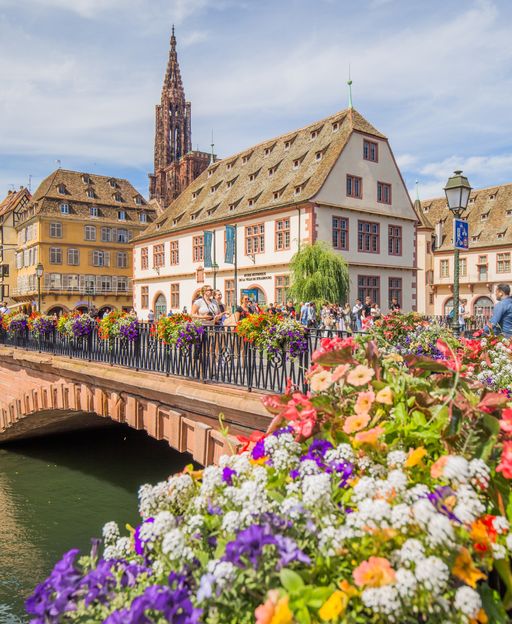
UNESCO has designated the city’s old centre as a World Heritage Site. Its medieval quarter, Petite France, ranks among the most photographed neighbourhoods in all of France — and rightly so. But Strasbourg rewards visitors who look beyond the postcard streets. It also hosts the European Parliament, a world-class cathedral, and a food culture that blends French sophistication with Alsatian heartiness.
This guide covers what to see, how to get around, where to stay, and when to go. Whether you are stopping here for a day or spending a long weekend, here is what you need to know.
What Makes Strasbourg Worth Visiting
Strasbourg has changed hands between France and Germany four times since 1870. That back-and-forth left a remarkable architectural legacy. Walk through the city and you will see French baroque buildings sitting next to German half-timbered houses. Street signs appear in both languages. Local dishes like tarte flambée and choucroute garnie draw on Alsatian tradition — not quite French, not quite German.
The city sits on the Rhine and canals thread through it. The historic centre occupies an island called the Grande Île, with waterways on all sides. That geography makes it very walkable, and it gives the old town an enclosed, almost village-like feel — despite the city holding nearly 300,000 people.
The Alsace Wine Route Connection
Strasbourg also makes an excellent base for exploring the wider Alsace region. The famous Alsace Wine Route runs south from the city through a string of medieval villages and vineyards. If you enjoy wine and medieval architecture in the same trip, the Alsace Wine Route pairs easily with a few days in Strasbourg.
Top Things to Do in Strasbourg
The city has more to offer than a single day allows. These are the highlights worth prioritising.
Strasbourg Cathedral
The Cathédrale Notre-Dame de Strasbourg dominated the European skyline for over two centuries after its completion. Builders used pink Vosges sandstone, which gives the exterior a warm reddish colour in morning and evening light. The astronomical clock inside runs a daily show at 12:30pm — arrive early if you want a good position. Climbing the tower (about 330 steps) gives a clear view across the rooftops of the old town and, on clear days, out to the Black Forest in Germany.
Petite France
This medieval neighbourhood in the southwest corner of the Grande Île holds the most famous views in Strasbourg. Narrow canals run between rows of half-timbered houses with flower boxes at every window. Tanners historically worked here — they used the canal water in their trade. Today restaurants, cafés, and boutiques line those same streets.
The best time to walk through Petite France is early morning, before the tour groups arrive. In December, during the Christmas markets, the whole area transforms into something from a fairy tale, though crowds fill every corner.
The European Parliament
Strasbourg shares its European Parliament building with Brussels, meaning it hosts parliamentary sessions once a month. When parliament is not in session, the visitor centre offers free guided tours. The building itself — a striking piece of modern architecture — is worth a look even from the outside. It sits about a kilometre east of the cathedral in the European Quarter.
Musée de l’Oeuvre Notre-Dame
This museum sits adjacent to the cathedral and holds original medieval sculptures from the building’s exterior, along with Alsatian art spanning several centuries. Many of the stone figures on the cathedral today are modern copies — conservators moved the originals here to protect them from pollution and weathering. It is a quieter, less visited attraction that offers genuine insight into how builders constructed the cathedral.
Palais Rohan
Builders completed the Palais Rohan in the 18th century as the residence of the Prince-Bishops of Strasbourg. French royalty including Louis XV and Napoleon both stayed here. Today it contains three museums under one roof: the Musée des Beaux-Arts, the Musée des Arts Décoratifs, and the Musée Archéologique. Restorers have returned the ground-floor apartments to their 18th-century appearance, and these rooms are particularly impressive.
The Christmas Market
Strasbourg’s Christmas market is the oldest in France, with records going back to 1570. It runs from late November to 30th December and spreads across multiple squares in the old town. If you visit in winter, timing your trip to include the market is worth it — though accommodation books up months in advance and prices rise sharply during this period.
What to Eat in Strasbourg
Alsatian food stands apart from French cuisine elsewhere. The German influence is real and delicious.
Tarte Flambée (Flammekueche)
This thin-crust dish — often compared to pizza, though locals will object — carries crème fraîche, onions, and lardons on top. A wood-fired oven bakes it flat. Almost every traditional Alsatian restaurant in Strasbourg serves tarte flambée, and it costs considerably less than a full dinner. It makes an ideal lunch.
Choucroute Garnie
Sauerkraut braised in Alsatian wine and served alongside an assortment of pork — sausages, smoked ham, salted belly — is the definitive Alsatian main course. It is hearty, warming, and filling. If you visit in autumn or winter, you will find it on almost every menu. In summer it is still available but less ubiquitous.
Alsatian Wine
Strasbourg sits at the northern end of the Alsace wine region, so wine gets taken seriously here. Look for Riesling, Gewurztraminer, Pinot Gris, and Pinot Blanc. Alsatian wines tend to be dry and aromatic — quite different from German Rieslings despite sharing the same grape. Most restaurants in the old town offer good selections by the glass.
Kugelhopf
This ring-shaped yeast cake carries raisins and almonds throughout. Boulangeries across the city display it in the window. Buy one from a good bakery and you have a generous breakfast or afternoon snack sorted.
Getting to Strasbourg
Strasbourg connects very well to Paris by high-speed train (TGV). The journey from Paris Gare de l’Est takes around one hour and fifty minutes — making it one of the easiest major French cities to reach. If you want to explore travelling France by train more broadly, Strasbourg makes a logical starting point for an Alsace or northeastern France itinerary.
From Paris Charles de Gaulle airport, direct TGV services run to Strasbourg — useful if you want to start your France trip here rather than in Paris. The journey takes around two hours.
By car, Strasbourg sits about five hours from Paris on the A4 motorway. Avoid driving into the city centre — parking is limited and the old town is largely pedestrianised. Park on the outskirts and take the tram network instead.
Getting Around the City
Strasbourg runs an excellent tram network that covers most of the city. For the historic centre, walking works best — the Grande Île is compact enough to cross on foot in twenty minutes. The city is also very cycle-friendly, with dedicated bike lanes throughout and a popular bike-share scheme.
Where to Stay in Strasbourg
Staying on or near the Grande Île gives you the most atmospheric experience. Hotels in the historic centre range from boutique properties in converted medieval buildings to international chains. This location puts you within walking distance of all the main sights.
If budget is a consideration, the areas around the train station (Gare de Strasbourg) offer more affordable options and easy walking distance to the cathedral — about fifteen minutes on foot. The European Quarter to the east also has hotels, though it has less character than the old town.
When to Book
Book well in advance if you visit during the Christmas market period (late November to 30 December). This is the city’s busiest season and central hotel prices can double or triple compared to other months. Easter and summer are also busy but more manageable.
When to Visit Strasbourg
Strasbourg has a continental climate — warmer summers and colder winters than Paris. The peak season for tourism runs June to August and November to December.
Spring (April and May) is an excellent time to visit. The weather is mild, the crowds are smaller than in summer, and the city’s parks and canal-side paths feel at their best. Autumn (September and October) is similarly good, with harvest season making it an ideal time to explore the surrounding wine villages.
Summer is warm and lively but can get crowded, particularly in July and August when European holiday-makers fill the city. Winter is cold — sometimes very cold — but the Christmas market makes it a genuinely special time to visit if you can handle the crowds and higher prices.
Day Trips from Strasbourg
Strasbourg’s location makes it ideal for day trips throughout the Alsace region and beyond.
Colmar
About forty minutes south by train, Colmar is often described as the most beautiful city in France. Its old town is remarkably well-preserved, with brightly coloured half-timbered buildings surrounding a central canal district called Little Venice. The Unterlinden Museum here holds Matthias Grünewald’s Isenheim Altarpiece — one of the most remarkable works of medieval art in Europe.
Wine Route Villages
The small villages along the Alsace Wine Route — Riquewihr, Ribeauvillé, Kaysersberg, Eguisheim — all sit within an hour of Strasbourg by car or bus. Eguisheim in particular, a circular medieval village of half-timbered houses, earned a spot on the list of the Most Beautiful Villages of France. A visit to any of these makes an easy and memorable half-day trip.
The Black Forest, Germany
The German border is only minutes from central Strasbourg. Baden-Baden, with its famous thermal baths and casino, sits about an hour away by road. The Black Forest itself rewards exploration if you have a car and an extra day.
Practical Information for Visiting Strasbourg
Strasbourg uses euros. The city centre is compact and walkable. French is the primary language, though many people in the tourism industry also speak English and German. Older residents still speak Alsatian, a Germanic dialect tied to the region’s long history.
Most of the main sights cluster together on the Grande Île. Allow at least two full days to cover the cathedral, Petite France, the Palais Rohan museums, and a relaxed evening meal in the old town. Three or four days gives you time for day trips and a more leisurely pace.
If you are visiting France more broadly and thinking about how Strasbourg fits into a bigger trip, the France trip planning hub has practical guidance on itineraries, transport, and what to know before you go.
FAQ: Visiting Strasbourg
What is the best time of year to visit Strasbourg?
Spring (April to May) and early autumn (September to October) offer the best combination of mild weather and manageable crowds. December brings the famous Christmas market but also very busy streets and higher prices.
How many days do you need in Strasbourg?
Two full days covers the main sights at a comfortable pace. Three to four days gives you time for day trips to the wine route villages or Colmar.
Is Strasbourg worth visiting for first-time travellers to France?
Absolutely. Strasbourg offers a completely different experience from Paris or the south of France, with its own architecture, food culture, and history. It is easy to navigate and very welcoming to tourists.
Can you visit Strasbourg as a day trip from Paris?
Yes — the TGV takes under two hours from Paris Gare de l’Est, making a long day trip possible. That said, spending at least one night here lets you experience the city in the evening, when the cathedral lights up and the old town feels at its most atmospheric.
You Might Also Enjoy
- The Alsace Wine Route: A Complete Guide for First-Time Visitors
- The Champagne Region, France: A Complete Travel Guide
- Brittany France Travel Guide: What to See, Where to Stay, and How to Get There
Plan Your France Trip
Before you book, make sure you have the practical side covered. The France trip planning hub covers everything from transport to the best time to visit and how to build an itinerary that works. Whether Strasbourg is your main destination or one stop on a longer journey, good planning makes all the difference.
Join 7,000+ France Lovers
Every week, get France’s hidden gems, local recipes, and travel inspiration — the kind you won’t find in any guidebook.
Subscribe free — enter your email:
Love more? Join 64,000 Ireland lovers → · Join 43,000 Scotland lovers → · Join 30,000 Italy lovers →
Free forever · One email per week · Unsubscribe anytime
Tours & experiences you might love


Powered by Viator. Some links are affiliate links — we may earn a small commission at no extra cost to you.

Leave a Reply