
Every city has its own style. But Paris has something different. It has a reputation built over four centuries of dressing the world.
From the court of Versailles to the ateliers of Chanel and Dior, Paris shaped how people dress across the globe. Today, it still leads. Every major fashion house traces its roots here. Every designer worth knowing has shown a collection on a Parisian runway.
This is the story of how one city became the undisputed centre of world fashion.
How Versailles Turned Fashion into Politics
King Louis XIV understood something important. Clothing was power. He used fashion to control his nobles and impress foreign courts.
He built a silk-weaving industry in Lyon. He ordered elaborate textiles and lace. He made French fabrics the envy of Europe.
Courtiers at Versailles followed strict dress codes. The king changed his outfit several times each day. Watching him dress was a public ceremony attended by hundreds.
Other European courts copied everything they saw. French words for clothing entered every major language. “Chic,” “couture,” and “mode” are all French words. That is not a coincidence.
By 1700, Paris set the rules for European dress. That influence has never stopped. You can read more about Louis XIV’s lasting impact in our article on Louis XIV and Versailles.
Charles Frederick Worth and the Birth of Haute Couture
The modern fashion industry has one clear starting point. An Englishman named Charles Frederick Worth moved to Paris in 1845. He saw what the city could become.
He opened his house on Rue de la Paix in 1858. He named it the House of Worth. It changed the fashion world entirely.
Worth was the first designer to put his name on his clothes. He created seasonal collections and showed them on live models. He invented what we now call the fashion show.
His clients included Empress Eugénie of France. The queens of Austria and Italy wore his gowns. He charged high prices and delivered results no one had seen before.
The Chambre Syndicale de la Haute Couture formed in 1868. It set standards for what counted as true haute couture. Those rules still apply today.
Worth proved that Paris could dominate global fashion. The city had the artisans, the fabrics, and the drive to do it properly.
Chanel, Dior, and the Modern Revolution
The 20th century gave Paris three seismic shifts in fashion. Each one changed what women wore and how they thought about dressing.
Coco Chanel
Gabrielle “Coco” Chanel arrived in Paris as an outsider. She left as one of the most famous designers in history.
She replaced corsets with jersey fabric. She made trousers acceptable for women. She invented the little black dress in 1926.
Her motto was: “Elegance is refusal.” She stripped away excess and kept only what mattered. She launched Chanel No. 5 and changed what luxury meant to the world. Just as Grasse shapes French French perfume, Chanel shaped French style.
Christian Dior
After the Second World War, France needed to rebuild. Dior answered with his “New Look” collection in February 1947.
The collection featured full skirts, cinched waists, and soft shoulders. It was the opposite of wartime austerity. Dior gave women back their femininity and gave Paris back its crown.
Life magazine called it the most important fashion event since Worth. The whole world took notice. Paris was back.
Yves Saint Laurent
Saint Laurent trained under Dior. In 1966, he launched his Rive Gauche ready-to-wear line. It sold to real women in real shops.
He put women in trouser suits as serious fashion. He created the tuxedo dress. He brought street style and contemporary art into high fashion.
Saint Laurent proved fashion could be democratic. You did not need a bespoke fitting. You could buy off the rack and still look Parisian.
🇫🇷 Enjoying this? 7,000 France lovers get stories like this every week. Subscribe free →
The Spirit of French Style
French style is not about wearing expensive things. It is about wearing the right things.
The idea of “effortless chic” sits at the heart of French fashion. French women do not look like they tried too hard. They look like they barely thought about it.
That takes years of practice. But it also comes from a set of simple principles that French culture teaches from childhood.
- Buy less, buy better. One perfect coat beats three cheap ones. Quality always wins over quantity.
- Fit matters most. A well-fitted high-street dress beats an ill-fitting designer one every time.
- Use colour as a tool. Neutrals build a wardrobe. One strong accent adds personality without effort.
- Comfort is non-negotiable. French women walk. They do not tolerate painful shoes. Style must be liveable.
- Wear what suits you. Not what is trending. Not what is on the runway. What actually looks good on your body.
These principles come from centuries of French focus on craft, quality, and restraint. They are not rules. They are habits.
Paris Fashion Week
Paris Fashion Week happens twice each year. It runs in January and February for autumn/winter collections. It returns in June and July for spring/summer.
Around 100 shows take place across the city. Buyers, editors, journalists, and stylists arrive from every major market on earth.
Shows happen in palaces, museums, car parks, and rooftops. Each one lasts about ten minutes. Each ticket is unavailable to almost everyone.
The houses that show in Paris include Chanel, Dior, Louis Vuitton, Hermès, Saint Laurent, and Balenciaga. Each show sets the direction for the season ahead.
Paris Fashion Week does not just sell clothes. It sets the visual agenda for the whole industry for the next six months. No other city does that.
Why French Fashion Still Leads the World
France’s luxury goods industry generates remarkable wealth. LVMH — which owns Louis Vuitton, Dior, Givenchy, and Céline — is the world’s largest luxury goods company.
It is based in Paris. Its 2023 revenue exceeded €86 billion. That result did not happen by accident.
Behind the glamour sit thousands of artisans. Feather-makers, lace-workers, embroiderers, and pleaters. Many work in ateliers that have run for over a hundred years.
The Comité Colbert represents 96 French luxury houses. It protects the idea that true luxury cannot be rushed or replicated cheaply. Quality must take time.
France does not just sell fashion. It sells a way of seeing the world. Style as discipline. Beauty as craft. Dressing as an act of care — for yourself and for those around you.
Visiting France’s Fashion History
Paris preserves its fashion heritage beautifully. You do not need to book a show to experience it.
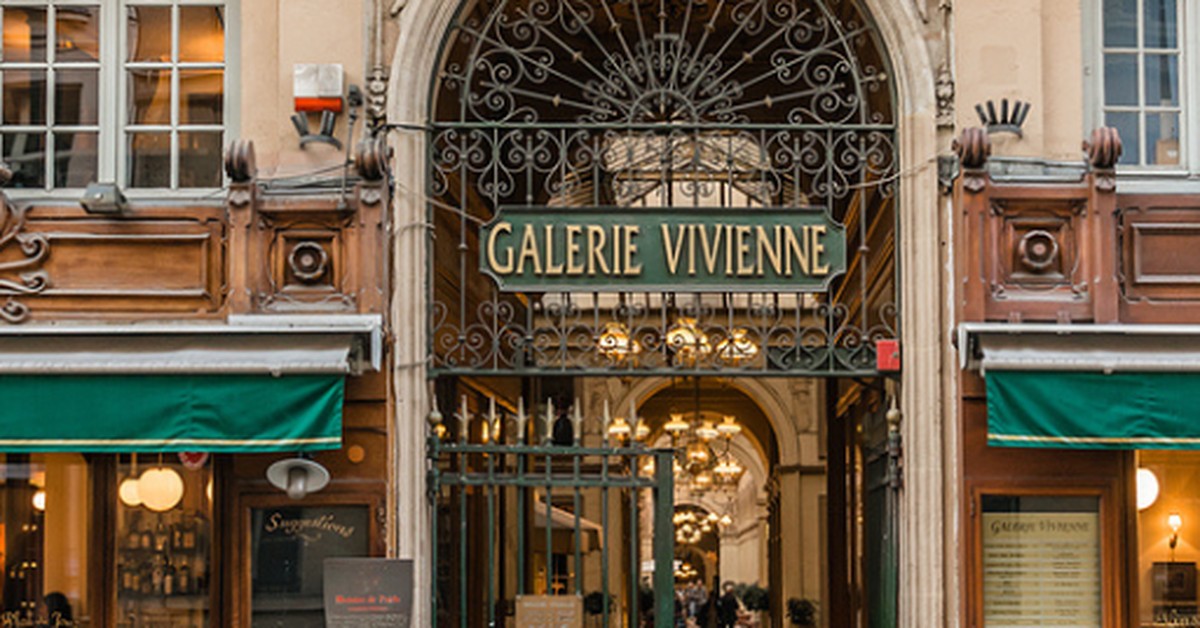
The Galerie Vivienne — pictured at the top of this article — opened in 1823. It was one of the world’s first luxury shopping arcades. Its glass roof, mosaic floors, and boutiques make it a living piece of fashion history. It sits in the 2nd arrondissement and is free to enter.
The Palais Galliera is Paris’s dedicated fashion museum. It holds over 200,000 objects — garments, accessories, and photographs from the 17th century to today.
The Musée des Arts Décoratifs holds a fine textile and fashion collection. It sits alongside furniture, jewellery, and decorative objects — the full picture of French design.
You can also visit the addresses themselves. The original Chanel boutique at 31 Rue Cambon still trades today. The House of Dior at 30 Avenue Montaigne is open for visits and has its own museum inside.
These places are not just tourist stops. They are woven into the fabric of French identity. Visit them with the same seriousness you would give to a cathedral or a château.
Frequently Asked Questions
Why is Paris considered the fashion capital of the world?
Paris built its fashion reputation over four centuries. It started with Louis XIV’s court at Versailles, continued with the invention of haute couture in the 19th century, and was confirmed by the great fashion houses of the 20th century. No other city has matched that level of global influence for so long.
What is haute couture?
Haute couture is bespoke, hand-stitched clothing made in Paris. The Chambre Syndicale de la Haute Couture controls which houses may use the term. Each piece is made to measure for a single client. It can take hundreds of hours to produce.
What did Coco Chanel change about fashion?
Chanel freed women from the constraints of early 20th-century dress. She introduced jersey fabrics, practical silhouettes, and simple elegance into high fashion. She created the little black dress and redefined what it meant to look truly chic.
When does Paris Fashion Week take place?
Paris hosts two main Fashion Weeks each year. Ready-to-wear shows happen in late February/early March and again in late September/early October. Haute couture weeks take place in January and July. The exact dates change slightly each year.
You Might Also Enjoy
- The French Perfume Industry: Why Grasse Still Rules the World
- The Art of the French Apéritif: How France Drinks Before Dinner
- How the French Spend Sunday: A National Ritual
Plan Your France Trip
Ready to discover French style for yourself? Start with our France travel planning guide — everything you need to build the perfect French itinerary.
Join 7,000+ France Lovers
Every week, get France’s hidden gems, seasonal guides, local stories, and the art of la vie française — straight to your inbox.
Subscribe free — enter your email:
Love more? Join 64,000 Ireland lovers → · Join 43,000 Scotland lovers → · Join 30,000 Italy lovers →
Free forever · One email per week · Unsubscribe anytime
Tours & experiences you might love


Powered by Viator. Some links are affiliate links — we may earn a small commission at no extra cost to you.

Leave a Reply