
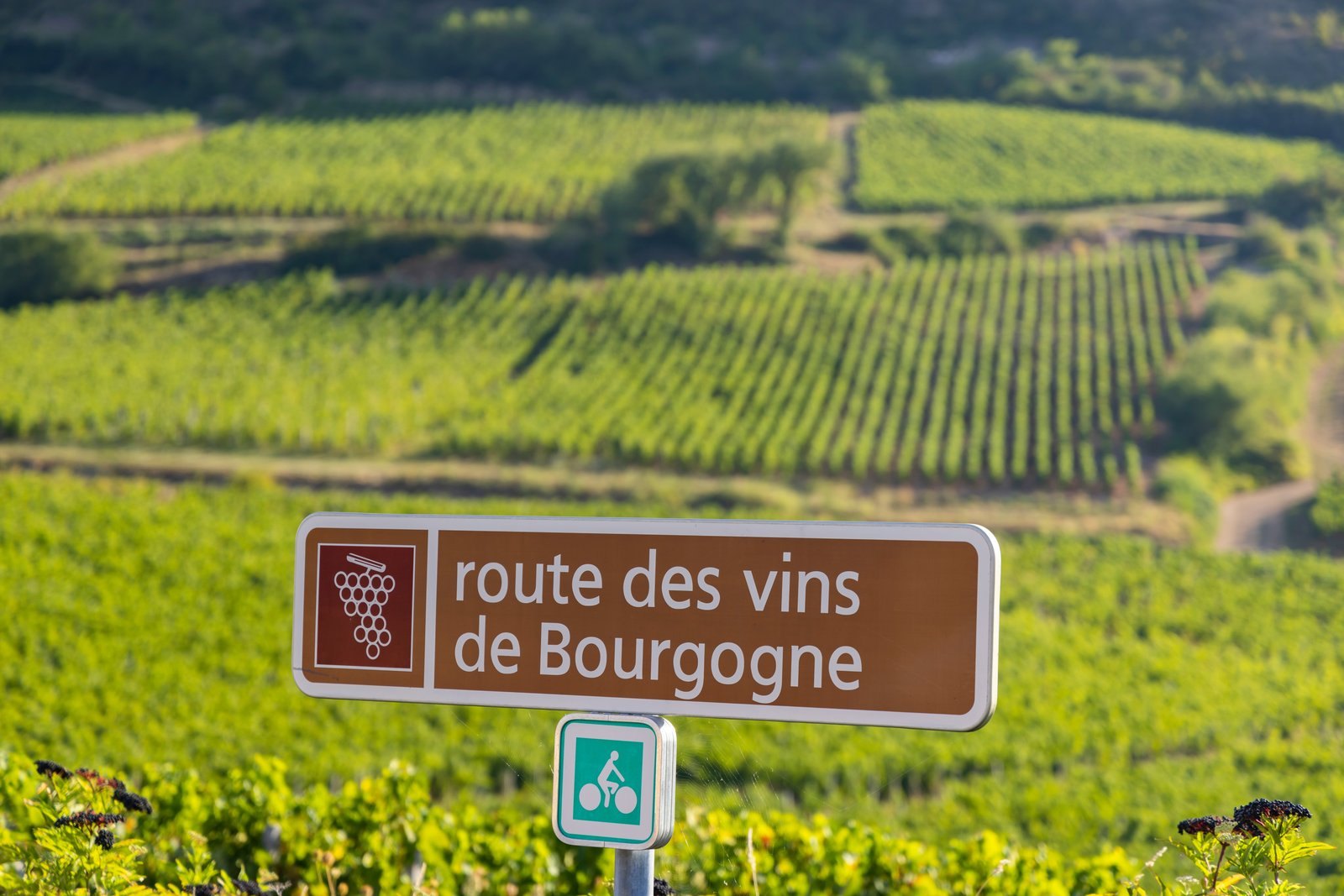
Drive through the Côte d’Or in autumn and the road signs read like a wine list. Gevrey-Chambertin. Vosne-Romanée. Puligny-Montrachet. Each village carries two names — and that pairing is not ancient. Village councils created it deliberately, in a rush of legal paperwork, between 1847 and the 1890s. And it changed everything.
When Villages Decided to Wear Their Wine
In the mid-19th century, Burgundy’s wine trade had a serious problem. Merchants sold barrels under the names of famous vineyards — Chambertin, Romanée, Montrachet — regardless of where the grapes came from. Buyers paid premium prices for a name, not a place.
The villages where those legendary vineyards sat lost out. Their land produced the wine that made those names famous. Yet the villages themselves got no credit at all.
The solution was bold and practical. Village councils filed court petitions to attach the great vineyard name to their own village name. Gevrey became Gevrey-Chambertin in 1847. That single decision set off a chain reaction that reshaped Burgundy permanently.
A Chain Reaction Down the Côte d’Or
Once Gevrey moved, others followed quickly. Aloxe added Corton in 1862. Vosne added Romanée in 1866. Chambolle added Musigny in 1878.
Puligny and Chassagne both claimed Montrachet in 1879. They share that suffix to this day — sitting side by side on the same hillside, each producing world-famous white wine under the same borrowed name. Nuits added Saint-Georges in 1892, completing the transformation of one of France’s most important wine corridors.
Within fifty years, the map of the Côte d’Or looked entirely different. A strip of land just fifty kilometres long had become the most carefully named wine region anywhere in the world. Every village along the route carried its greatest asset in its name.
Why the Names Still Matter
Walk into Gevrey-Chambertin today and you find a village of around 3,000 people. Yet it produces some of the world’s most expensive wine. A single bottle of Chambertin Grand Cru can cost more than a thousand euros.
The hyphenated name makes that possible. When a buyer in Tokyo or New York sees “Gevrey-Chambertin” on a label, they know exactly what they pay for. The village name and the vineyard name have become one thing — inseparable, and enormously valuable.
For local growers, the pairing carries deep pride. Winemakers in Chambolle-Musigny will tell you that the word “Musigny” is not just a label — it is a statement that this precise land produces something singular, and that they stand behind it completely.
The old Route des Grands Crus winds along the D974 road, passing through village after village that carries this double identity. Visitors today follow the same road that 19th-century merchants travelled — except now the villages have made sure their names say exactly what is at stake. If you plan to visit Burgundy, the France travel planning guide covers the best time to go and how to get around the wine country.
Enjoying this? 7,000 France lovers get stories like this every week. Subscribe free →
The Idea That Drove the Decision: Terroir
The 1800s name changes built on a belief the French had held for centuries. They call it terroir — the idea that a specific place shapes the wine it produces. Not just the grape variety, but the exact slope, the particular soil, the way afternoon light falls across a hillside.
Cistercian monks first mapped Burgundy’s vineyards in the Middle Ages with this thinking in mind. They noticed that different plots of land produced distinctly different wines, even when the grape variety stayed the same. They catalogued every parcel they could find.
UNESCO recognised Burgundy’s individual vineyard parcels — the “Climats” — as World Heritage in 2015. Each climat is a distinct piece of land, shaped by centuries of careful observation. A grand cru parcel and a village parcel can sit metres apart and produce completely different wine.
How the Classification System Works
A village like Gevrey-Chambertin contains many different vineyard parcels, each carrying its own classification. Grand Cru sits at the top. Premier Cru comes next. Then village-level wine. Each level earns a different price and a different reputation on the market.
The village name at the top of the label anchors the whole system. That is the name those village councils fought to create in the 1800s — and it has earned its keep many times over.
To understand how Burgundy fits into France’s wider wine history, this piece on the scandal that changed how every wine bottle in the world is labelled tells the broader story behind the appellation system.
The Villages That Held Back
Not every village followed the trend. Meursault kept its own name — already famous enough without a vineyard attachment. Pommard did the same. Both are well known to wine lovers worldwide without a suffix.
They had built enough identity independently that borrowing a vineyard name added nothing. Their reputation stood on its own terms.
For the dozens of villages that did rename themselves, the decision shapes how those places look and feel today. Wine tourism built them. Streets fill with domaine signs and cave entrances. Every turning leads to a cellar door or a tasting room.
The name on the road sign draws people in — which is exactly what those village councils intended when they filed their court papers in the 1800s.
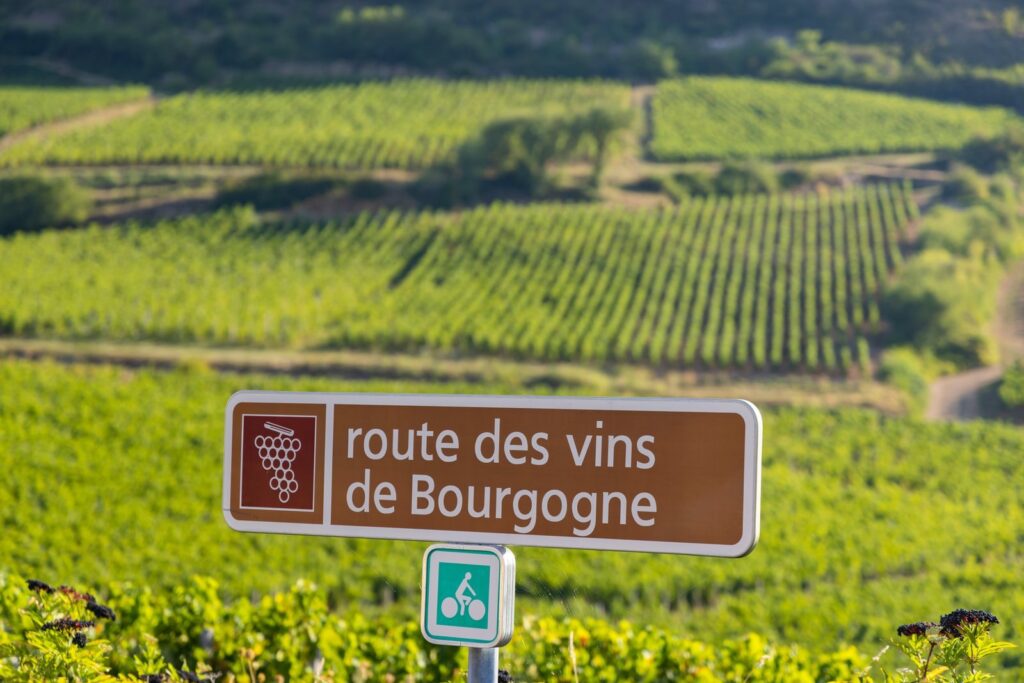
Stand at the edge of a Burgundy vineyard in October, when the vines turn gold and copper in the afternoon light. The hillside looks as it has for centuries. The name on the road sign behind you tells the whole story — a village, a piece of land, and a decision that this place deserves to be remembered.
Join 7,000+ France Lovers
Three times a week, get France’s hidden gems, seasonal guides, local stories, and the art of la vie française — straight to your inbox.
Subscribe free — enter your email:
Free forever · Unsubscribe anytime
🇫🇷 You Might Also Love
Tours & experiences you might love


Powered by Viator. Some links are affiliate links — we may earn a small commission at no extra cost to you.

Leave a Reply