
Best Time to Visit France: A Season-by-Season Planning Guide
France is one of the most visited countries on earth — and for good reason. From the lavender fields of Provence to the Christmas markets of Alsace, the country transforms with every season. But when is the best time to visit France? The honest answer depends on what you want to do, where you plan to go, and how much you enjoy sharing cobblestone streets with a crowd. This guide breaks it all down so you can plan with confidence.
Love France? Join 7,000+ readers on our free newsletter → lovetovisitfrance.substack.com
Why the Time of Year Matters So Much in France
France is a big country. It stretches from the Alps in the east to the Atlantic coast in the west, and from the chilly Channel in the north to the sun-baked Mediterranean in the south. The weather, the crowds, and the experience shift dramatically depending on where you go — and when.
Paris in August feels different from Paris in October. The Riviera in July is a different beast entirely from the Riviera in May. Getting the timing right can be the difference between a holiday you cherish and one you spend queuing in the sun next to ten thousand other tourists.
The Main Factors to Consider
Before you book, think about three things: weather, crowds, and cost. These three factors rarely align perfectly, but understanding how they interact helps you make a smart choice for your trip.
French school holidays have a huge impact on domestic tourism. August is when most of France goes on holiday together — roads clog, campsites fill up, and prices spike. Easter and the February school break also create busy windows. Planning around these periods can save you money and sanity.
Spring in France (March to May): The Sweet Spot
Spring is widely considered the best time to visit France for first-time visitors. The weather is mild, the countryside starts to bloom, and the main tourist sites haven’t yet hit peak season crowds.
What to Expect in March and April
March can still feel wintery in the north and at altitude. Pack layers. Paris can be grey and drizzly, but the city feels alive in a quieter, more local way. Cafés fill up with Parisians, not tourists. Queues at the Eiffel Tower and the Louvre are shorter than at any point in summer.
April is warmer and more reliable. The cherry blossoms appear in parks and village squares. Provence starts to turn green before the lavender arrives. The Loire Valley is at its most beautiful — cold rivers, green riverbanks, and fewer coaches blocking the château entrances.
May: Arguably the Best Month in France
May is exceptional. The weather is warm but not hot. Wildflowers cover the fields. The lavender in Provence isn’t in bloom yet (that comes in late June), but the landscape is lush and green. Markets are busy with local produce — asparagus, strawberries, fresh cheeses.
France has a number of public holidays in May, which means long weekends and short mini-breaks. Some attractions close on those days, so check ahead. But the holiday atmosphere in French towns on Ascension Thursday or Whit Monday is something genuinely worth experiencing.
See our Dordogne travel guide for a region that really shines in spring — the river valleys are spectacular in May.
Join 7,000+ France Lovers
Every week, get France’s hidden gems, local recipes, and travel inspiration — the kind you won’t find in any guidebook.
Subscribe free — enter your email:
Love more? Join 64,000 Ireland lovers → · Join 43,000 Scotland lovers → · Join 30,000 Italy lovers →
Free forever · One email per week · Unsubscribe anytime
Summer in France (June to August): Peak Season Unpacked
Summer is the most popular time to visit France, and that comes with trade-offs. The upside: reliable sunshine, long daylight hours, and every restaurant, beach, and festival running at full speed. The downside: crowds, higher prices, and the August phenomenon where half of Paris heads to the coast.
June: The Best Summer Month
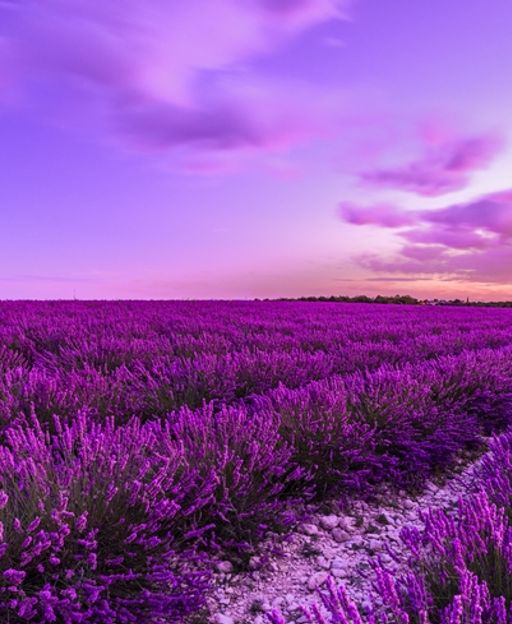
June is the most underrated month for France. Schools haven’t yet broken up in most of Europe and North America, so the main tourist sites are busy but not overwhelmed. The weather in Provence is ideal — hot but not punishing. The lavender blooms from mid-June through to mid-July, and the fields at Valensole are genuinely one of the most spectacular sights in the whole country.
The Normandy coast comes into its own in June. The D-Day beaches are easier to visit than in July or August. Accommodations along the coast are still available, and the cliffs and beaches feel like they belong to you.
Our Normandy travel guide has everything you need to plan a meaningful visit to the D-Day sites and the Normandy coast.
July: Lavender and the Tour de France
July is peak season. Paris swells with visitors. The Côte d’Azur is packed. But July also brings the Tour de France — if you want to watch professional cycling through French mountain roads and villages, this is the only month that delivers.
The lavender in Provence hits its peak in early to mid-July. If seeing the purple fields is on your list, target the first two weeks of July and book accommodation months in advance.
August: Busy, Hot, and Expensive
August is the month when France goes on holiday itself. Most French workers take their annual leave in August, and the country splits between the cities (quiet, with many local restaurants closed) and the coast (extremely busy). Prices for accommodation are at their highest. Roads to the Riviera can be gridlocked on Saturdays.
That said, if summer sunshine is your priority and you book well in advance, August can still be a wonderful time to visit — especially if you head to lesser-known regions like the Lot Valley, the Ardèche, or the Basque Country.
Autumn in France (September to November): The Insider’s Choice
Seasoned travellers often say that September is the finest month to visit France. The summer crowds thin out after the first week of September. Temperatures are still warm — particularly in the south. The harvest season begins, and French food and wine reach their annual peak.
September and October
The wine harvest (vendange) runs through September and into October. In Bordeaux, Burgundy, and Alsace, you’ll see rows of vines heavy with grapes and tractors moving between the rows. Wine estates open their doors for harvest events, tastings, and tours.
The countryside turns amber and gold in October. The Loire Valley châteaux look extraordinary against autumn foliage. Truffle season begins in parts of Périgord and Provence, and the weekly markets take on a different character — wild mushrooms, chestnuts, and game appear alongside the usual produce.
Prices drop sharply after the first week of September. The same hotel that costs €250 a night in July might be €140 in mid-September.
For wine lovers, our Bordeaux wine region guide is essential reading before a harvest-season visit.
November: Getting Quiet
November is quieter and cooler. Many tourist businesses in seaside resorts close for winter. But Paris is atmospheric and easy to navigate. Museum queues all but disappear. The light is soft and photogenic. If you want to experience France without the tourism infrastructure — where you’re eating at the same restaurants as locals, not visitors — November is your month.
Winter in France (December to February): Underrated and Magical
Winter has a reputation as a bad time to visit France, but this is largely unfair. The Alsace Christmas markets (Strasbourg, Colmar, Mulhouse) are among the best in Europe. Paris in December is genuinely magical — lights, markets, and far fewer visitors than in summer.
December: Christmas Markets and Festive Paris
Strasbourg’s Christmas market, the Marché de Noël, dates back to 1570 and is one of the oldest in Europe. The whole city is decorated, mulled wine flows freely, and the atmosphere is unlike anywhere else in France.
Paris at Christmas is beautiful but surprisingly manageable. The Champs-Élysées lights are spectacular. The big department stores — Galeries Lafayette, Le Bon Marché — have extraordinary window displays. And hotel prices are lower than at almost any other point in the year.
January and February: The Real Off-Season
January and February are the quietest months of the year for tourism. The mountains are the exception — ski season runs from December through to March or April, and resorts in the French Alps (Chamonix, Méribel, Val d’Isère) are busy from late December onwards.
For everywhere else in France, these months offer the lowest prices and the most local experience. The Riviera in January is mild (12–15°C most days), quiet, and strikingly beautiful without the summer crowds. The food markets are still running. The museums are open. You just don’t get the beach.
Best Time to Visit France by Region
France is large enough that the “best time” varies significantly by region. Here’s a quick guide.
Paris
Paris works year-round, but May–June and September–October offer the best balance of weather, crowds, and price. Avoid the first two weeks of August if you want restaurants to be open.
Provence and the Lavender Fields
June and July for lavender bloom. May and September for warmth without the intensity of high summer. March and April for wildflowers.
The French Riviera (Côte d’Azur)
May and September offer warm seas, fewer crowds, and better value than July and August. The Riviera in winter is mild and quiet — good for walking the coastal paths.
Normandy
June through August for the best weather. Spring and autumn are fine for the D-Day sites and countryside. Winter is quiet and wet but atmospheric.
Alsace
December for the Christmas markets. September and October for the wine harvest. May for cycling the wine route in pleasant conditions without summer heat.
The Alps
December to March for skiing. July and August for hiking and mountain biking. May–June and September–October are quieter and good for walking.
Practical Planning Tips
Book Early for Summer
If you’re visiting in July or August, book accommodation at least three to four months in advance — particularly anywhere near the coast, Provence, or Paris. The best-value rooms disappear fast.
Watch the French Public Holidays
France has 11 public holidays each year. May is particularly holiday-heavy. Some attractions and many restaurants close on these days. Check before you travel.
Understand the August Shutdown
Many small restaurants and independent shops in cities close for two to three weeks in August. Paris in particular can feel strangely quiet in some neighbourhoods. Plan your dining options accordingly.
Check Regional Weather Carefully
The French climate varies more than many visitors expect. Nice in March can be 18°C and sunny. Paris in March can be 8°C and raining. Always check the specific forecast for your destination rather than relying on generic “France weather” guidance.
Frequently Asked Questions About the Best Time to Visit France
What is the best time to visit France for good weather?
May, June, and September offer the best combination of warm temperatures and manageable crowds across most of France. The south sees reliable sunshine from April through October, while Paris and the north are most pleasant in May and September.
When is the cheapest time to visit France?
January and February are the cheapest months to visit France outside the ski resorts. November and early December also offer low prices. You’ll find flight and hotel deals easiest to secure in these windows, and popular attractions are far less crowded.
What month do lavender fields bloom in Provence?
Lavender in Provence typically blooms from mid-June through to mid-July, peaking in early to mid-July. The fields at Valensole and the Luberon are the most accessible, and the bloom period can vary by a week or two depending on the year’s rainfall and temperature.
Is France worth visiting in winter?
Yes — particularly for the Alsace Christmas markets in December, skiing in the Alps from January through March, and a quieter experience of Paris and the Riviera throughout the winter months. Prices are lower and the main museums and restaurants remain open.
When should I avoid visiting France?
The first two weeks of August are the most crowded and expensive period across the whole country. Many local restaurants and shops close, roads to coastal areas are congested, and accommodation prices are at their peak. If flexibility allows, late June or September give you similar weather with far fewer crowds.
You Might Also Enjoy
- Loire Valley Road Trip: The Complete Guide for US Visitors
- France Travel Budget: How Much Does a Trip Actually Cost?
- Versailles Day Trip from Paris: Everything You Need to Know
Plan Your France Trip
Ready to start planning? Our comprehensive planning hub covers everything from visas and transport to regional itineraries and packing lists. Visit Start Here: Planning Your Trip to France to get started.
Join 7,000+ France Lovers
Every week, get France’s hidden gems, local recipes, and travel inspiration — the kind you won’t find in any guidebook.
Subscribe free — enter your email:
Love more? Join 64,000 Ireland lovers → · Join 43,000 Scotland lovers → · Join 30,000 Italy lovers →
Free forever · One email per week · Unsubscribe anytime
Tours & experiences you might love


Powered by Viator. Some links are affiliate links — we may earn a small commission at no extra cost to you.

Leave a Reply