
Every autumn, something remarkable happens across France. Vineyard workers head out at dawn. Families gather in the rows. The smell of crushed grapes fills village streets. This is the vendange — the grape harvest. And for millions of French people, it is the most important time of year.
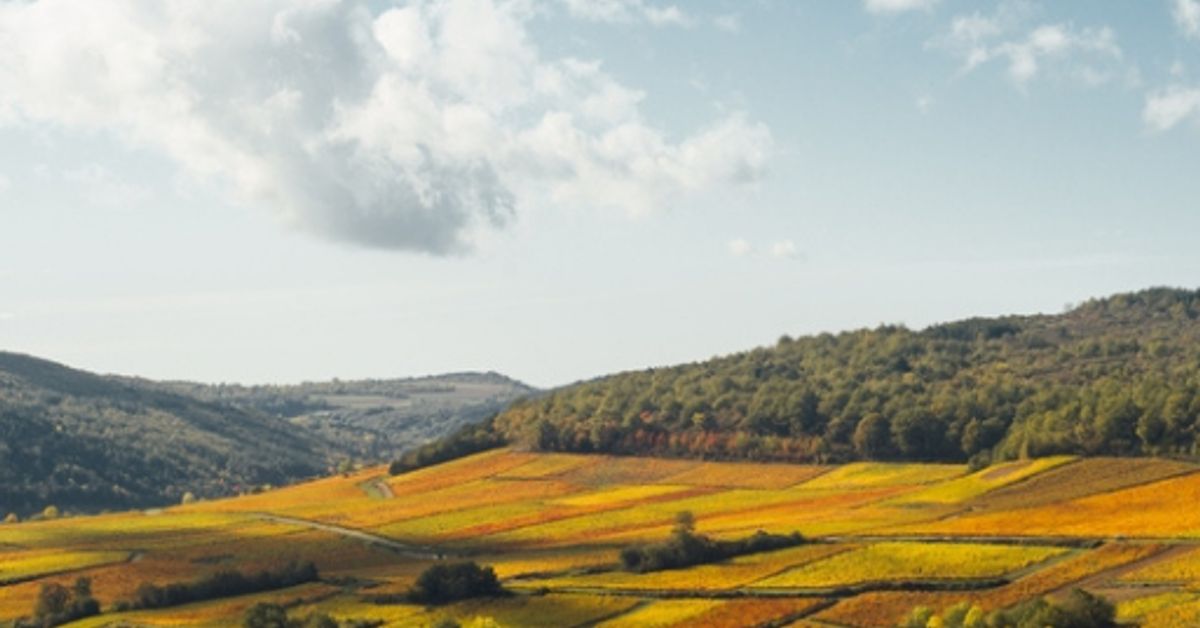
The vendange is not just a farming event. It is a seasonal ritual that touches every corner of French life. From Burgundy to Bordeaux, from Champagne to Alsace, the harvest binds communities together. It has done so for centuries.
What Is the Vendange?
Vendange is the French word for grape harvest. It refers to the period when grapes are picked from the vine. In English, this is called the “vintage” — though that word now usually means the wine itself.
In France, the vendange is a sacred event. Wine is not simply a product here. It is part of French identity. The harvest marks the end of a year’s work. Everything in French viticulture builds towards this moment.
The word vendange comes from the Latin vindemia. Romans introduced winemaking to Gaul more than 2,000 years ago. The harvest traditions France practises today have very deep roots.
When Does the Vendange Happen?
The harvest takes place in autumn. The exact timing depends on the region and the grape variety.
In Champagne, picking usually starts in late September. In Bordeaux, harvests run from mid-September through October. Burgundy and Alsace follow a similar pattern. In the south — Languedoc and Roussillon — the harvest can begin as early as late August.
Each year is different. Temperature, rainfall, and sunshine all shape the timing. A warm spring followed by a dry summer can bring the harvest forward. A cool, wet year may delay it by weeks.
Winemakers watch their grapes with care. They test sugar levels and acidity daily. They study the skins. The decision of when to pick is one of the most important a winemaker makes all year.
The Wine Regions and Their Harvests
France has several great wine regions. Each one has its own harvest character and its own seasonal magic.
Burgundy is famous for Pinot Noir and Chardonnay. The Côte d’Or — the heartland of Burgundy — turns gold and amber in October. Rows of vines stripe the hillsides in every shade of orange and red. It is one of the most beautiful landscapes in France.
Bordeaux covers a vast area in southwest France. Its harvest involves red and white grapes across dozens of appellations. Château estates employ large teams during the vendange. The scale here is enormous.
Champagne is unique. Grapes in this region are picked by hand. Machine harvesting is not permitted. Every bunch must be handled gently to protect the juice. The entire Champagne region mobilises for a few intense weeks each autumn.
Alsace runs along France’s eastern border. Its harvest produces aromatic whites — Riesling, Gewurztraminer, Pinot Gris. The villages of Alsace are beautiful in autumn. Flower boxes still bloom, and harvest season fills the local markets.
What Happens During the Vendange?
The harvest is hard work. Days are long. The weather can be unpredictable. But for those who take part, it is also one of the most rewarding experiences in French life.
Pickers work in rows, using small curved knives or scissors to cut grape clusters from the vine. They move steadily and carefully. Damaged or diseased grapes are left behind. Quality matters far more than speed.
The picked grapes go into small plastic bins called cagettes or larger baskets called paniers. Tractors carry them to the sorting table. Teams there remove leaves, insects, and damaged fruit. Only the best reaches the press.
🇫🇷 Enjoying this? 7,000 France lovers get stories like this every week. Subscribe free →
At the end of each day, the winery team gathers for a meal. The repas des vendanges — the harvest meal — is a tradition in itself. Tables fill with local food, good wine, and laughter. These meals are generous and long. They reflect everything the French believe about food, community, and joy.
The Vendanges de Montmartre: Paris’s Own Harvest Festival
You do not need to travel to Bordeaux to experience the vendange. Paris has its own.
Every October, the Montmartre neighbourhood holds the Fête des Vendanges de Montmartre. This four-day festival celebrates the harvest from the small Clos Montmartre vineyard on the hill above the city.
The Clos Montmartre has only around 2,000 vines. It produces a modest amount of wine each year. But the festival draws hundreds of thousands of visitors. There are parades, concerts, folk dances, wine tastings, and a grand procession through the streets.
The Montmartre harvest has taken place every year since 1934. It began as a way to revive a tradition almost lost in the city. Today it is one of the most beloved autumn events in the French capital.
Bottles of Clos Montmartre wine are auctioned each year for charity. They are collector’s items. Winning a bottle at auction is a point of pride for serious wine lovers.
How to Experience the Vendange as a Visitor
France welcomes visitors to the harvest. Here is how to make the most of the season.
Travel during harvest season. Visit wine regions in September or October. Check the local tourist office for harvest events and open days at wineries. Many châteaux offer harvest weekends.
Stay in a wine village. Book accommodation in Beaune in Burgundy, Saint-Émilion in Bordeaux, or Obernai in Alsace. These towns sit at the heart of harvest culture. The atmosphere is unlike any other time of year.
Join a harvest tour. Many wineries offer guided harvest experiences. You can pick grapes, tour the cellar, and join the end-of-day meal. These tours fill up fast — book in summer.
Attend a harvest festival. Beyond the Montmartre festival, dozens of harvest celebrations take place across France. Bordeaux, Burgundy, and Alsace all hold their own events each autumn.
Eat and drink well. The harvest season pairs perfectly with French food. French cheese reaches peak condition in autumn. Markets overflow with seasonal produce — mushrooms, walnuts, chestnuts, and pumpkins.
Planning your visit to France? Our complete travel hub has everything you need for an autumn trip.
The Spirit of the Vendange
The vendange is more than a farming event. It carries a deeper meaning for French people.
Wine is part of French identity in a way few other things are. France exports more wine by value than any other country. But beyond economics, wine is a cultural symbol. It connects people to the land, to the seasons, and to each other.
The harvest reminds the French of what the land provides. It links modern France to ancient rhythms. Children learn about the vendange in school. Villages celebrate it across generations. Each year, the ritual begins again.
For visitors, the vendange offers a rare window into authentic French life. You see the land working. You meet the people who tend it. You eat the food it produces. You drink the wine that comes from it.
There is no better time to fall in love with France.
Frequently Asked Questions About the French Vendange
When is the vendange in France?
The vendange typically runs from late August through October, depending on the region. Southern regions such as Languedoc and Roussillon harvest first. Burgundy, Bordeaux, Alsace, and Champagne follow in September and October.
Can tourists take part in the French grape harvest?
Yes. Many French wineries welcome visitors during the harvest. Some offer guided picking days where you spend a morning in the vineyard and then join the harvest meal. Book well in advance, as these experiences fill up quickly.
What is the Fête des Vendanges de Montmartre?
This is Paris’s annual harvest festival, held each October in the Montmartre neighbourhood. It celebrates the harvest from the Clos Montmartre vineyard. The four-day event features parades, music, wine tastings, and a charity auction of that year’s wine.
Which wine region is best to visit during the vendange?
Burgundy is particularly beautiful during the harvest, with golden vineyard rows stretching across the hills. Champagne is unique because all harvesting is done by hand. Alsace offers charming villages and a festive autumn atmosphere. Each region has its own character.
Why is wine so important to French culture?
Wine in France is tied to history, identity, and the land itself. French winemaking dates back to Roman times. The concept of terroir — the idea that soil, climate, and place shape every bottle — is a French gift to how the world thinks about wine. For the French, wine is not simply a drink. It is where they come from.
You Might Also Enjoy
- Burgundy France Travel Guide: Wine, Villages and What to See Beyond the Vineyards
- Champagne Region France: The Complete Guide for US Visitors
- Best Time to Visit France: A Season-by-Season Planning Guide
Plan Your France Trip
Ready to visit France? Our France travel planning hub has everything you need — from when to go and where to stay, to what to eat and how to get around.
Join 7,000+ France Lovers
Every week, get France’s hidden gems, seasonal guides, local stories, and the art of la vie française — straight to your inbox.
Subscribe free — enter your email:
Love more? Join 64,000 Ireland lovers → · Join 43,000 Scotland lovers → · Join 30,000 Italy lovers →
Free forever · One email per week · Unsubscribe anytime
Tours & experiences you might love


Powered by Viator. Some links are affiliate links — we may earn a small commission at no extra cost to you.

Leave a Reply