
In October 1894, a letter arrived at the German Embassy in Paris. French counter-intelligence intercepted it. The document listed French military secrets. Officers studied the handwriting and named a suspect. His name was Alfred Dreyfus.
What followed was one of the most dramatic events in French history. It was not just a criminal case. It was a battle for the soul of France itself.
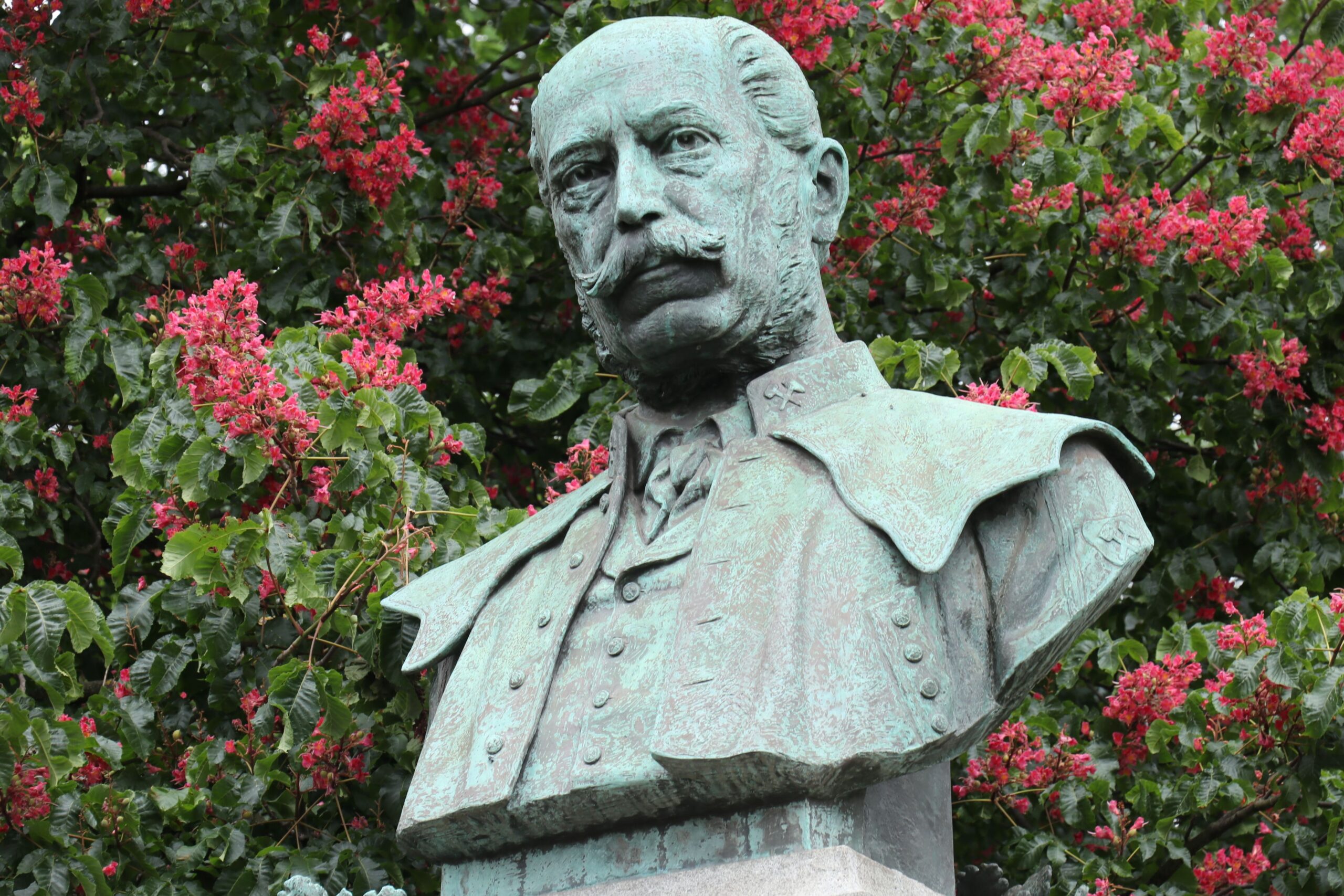
Who Was Alfred Dreyfus?
Alfred Dreyfus was born in 1859 in Mulhouse, Alsace. His family ran a Jewish textile business. When Germany took Alsace in the war of 1870, his family made a choice. They moved to Paris rather than live under German rule.
For Dreyfus, that choice meant everything. He was deeply, proudly French. He studied hard. He joined the army and rose to captain. By 1894, he had earned a place at the French General Staff. Very few Jewish officers had reached that level.
He had a wife, Lucie, and two young children. He was not a traitor. He was a loyal officer who loved his country.
The Accusation That Changed Everything
The document that French intelligence recovered in 1894 was called a bordereau. It listed five types of military information. Someone was passing secrets to Germany.
The evidence against Dreyfus was thin. Handwriting experts disagreed. But the army had already decided. To many officers of that era, a Jewish man could not be trusted. French authorities arrested Dreyfus on 13 October 1894.
The court-martial lasted two days. The military held it in secret. No journalist could attend. Dreyfus could not see all the evidence against him. On 22 December 1894, the court found him guilty. The sentence was life imprisonment.
Stripped of Rank and Sent to Devil’s Island
On 5 January 1895, the army brought Dreyfus to the courtyard of the École Militaire. A crowd gathered outside. Officers tore off his insignia and broke his sword. The crowd shouted insults from beyond the gates.
Dreyfus cried out: “I am innocent. Vive la France!”
The army shipped him to Devil’s Island. The prison colony sat off the coast of French Guiana, 14 kilometres from the South American mainland. It was hot, remote, and brutal. Guards watched him through every night. He wrote letters to Lucie. He refused to lose hope.
🇫🇷 Enjoying this? 7,000 France lovers get stories like this every week. Subscribe free →
The Officer Who Found the Truth
In 1895, a new officer took charge of French military intelligence. His name was Lieutenant Colonel Georges Picquart. He had no personal sympathy for Dreyfus. But he was an honest man.
In 1896, Picquart found a torn-up message. German intelligence had sent it to a French officer named Ferdinand Walsin Esterhazy. The content matched the original bordereau closely.
Picquart reported his findings to his superiors. They dismissed them. The army had convicted Dreyfus. To question that verdict would embarrass the entire institution.
They transferred Picquart to Tunisia. The army buried the evidence. The cover-up held — for now.
J’Accuse…! The Letter That Shook France
Outside the army, people were starting to ask questions. Lawyers, writers, and politicians looked closely at the case. The evidence did not hold together.
On 13 January 1898, France’s most famous writer made his move. Émile Zola published an open letter in a Paris newspaper called L’Aurore. The headline was simple and direct: J’Accuse…!
I Accuse!
The letter filled the entire front page. Zola named the war minister. He named the judges. He named Esterhazy as the real spy. He signed his own name at the bottom.
He knew what it would cost him. Authorities charged him with libel. The court convicted him. He fled to England. But the letter had done its work. More than 300,000 copies sold that day alone.
A Country Split in Two
The Dreyfus Affair divided France like nothing else in living memory. Old friendships ended overnight. Families stopped speaking to each other. The argument reached every corner of French life.
On one side stood the Dreyfusards. This group included socialists, progressive republicans, and intellectuals. They argued that truth and due process mattered more than military pride. Writers such as Marcel Proust and Anatole France sided with them.
On the other side stood the Anti-Dreyfusards. They included much of the Catholic Church hierarchy, the nationalist press, and the military leadership. For them, the army’s honour came first.
This was also the era of the Belle Époque — a golden age of art, invention, and progress. The Eiffel Tower had opened only five years before the Affair began. Paris dazzled the world, even as this bitter fight tore its social fabric apart.
The Road to Exoneration
In 1898, French intelligence found that one of the key documents in the original case was a forgery. The officer who created it, a man named Henry, confessed and then took his own life in prison.
This forced a retrial. In 1899, Dreyfus returned to France after five years on Devil’s Island. The world watched the proceedings at Rennes.
The result was remarkable. The court found him guilty a second time, but added “extenuating circumstances.” The President pardoned him days later. It was not justice. It was a political compromise that satisfied no one.
The legal fight continued. On 12 July 1906, France’s Supreme Court of Appeal examined the full record. It declared Dreyfus completely innocent. The army reinstated him as a Major. In the very courtyard where they had stripped his rank eleven years before, he received the Legion of Honour.
What the Dreyfus Affair Changed
The Affair left a deep mark on France and the world.
Church and state separated. The strong Catholic Church support for the army during the Affair alarmed French republicans. In 1905, France passed a law formally separating church from state. This law remains a cornerstone of French public life today.
Zionism was born. A young journalist named Theodor Herzl covered the 1894 trial for a Viennese newspaper. He stood outside the court and heard the crowds. They chanted antisemitic slogans in the streets of Paris. He had believed that France — the land of liberté and égalité — would protect Jewish people. The trial shattered that belief. He went home and wrote a pamphlet called Der Judenstaat (The Jewish State). That pamphlet launched the modern Zionist movement.
Press freedom was confirmed. Zola’s letter showed what journalism could do. One open letter in a newspaper forced a country to confront its own injustice. France’s tradition of a combative, fearless press owes something to that moment.
Alfred Dreyfus served in the First World War. He fought at Verdun. He survived. He died in Paris in 1935. The Enlightenment ideals of reason and justice that France had championed for centuries faced their hardest test in the Dreyfus Affair. France did not fail them — but it came very close.
Where to Follow the Story in Paris Today
The Dreyfus Affair left real traces in Paris.
The Musée d’Art et d’Histoire du Judaïsme in the Marais district holds a remarkable collection. Original documents, press clippings, and photographs from the Affair fill its galleries. It is one of the finest museums in Paris for French Jewish history.
The courtyard of the École Militaire, near the Champ de Mars, is where the public degradation took place in January 1895. The campus still serves the French military. You can see the exterior from the street.
The boulevard Montmartre is where L’Aurore once operated — the street where J’Accuse! hit the newsstands in January 1898.
If you are planning a trip to France and want to explore its history beyond the usual sights, begin your journey here. And if your family has French roots, discover how to trace them here.
Frequently Asked Questions
What was the Dreyfus Affair in France?
The Dreyfus Affair was a political scandal that ran from 1894 to 1906. A Jewish French army officer named Alfred Dreyfus faced false conviction for selling military secrets to Germany. His case exposed deep antisemitism in French institutions and split the country between those who demanded justice and those who defended the army.
Was Alfred Dreyfus actually guilty?
No. Dreyfus was completely innocent. France’s highest court declared him so in 1906. The real spy was Ferdinand Walsin Esterhazy, a French major who had passed secrets to Germany. The army knew this and covered it up for years.
What did Émile Zola do in the Dreyfus Affair?
On 13 January 1898, Zola published a long open letter called J’Accuse…! in the Paris newspaper L’Aurore. He accused the army and government of knowingly framing an innocent man. Authorities convicted him of libel, and he fled to England. His letter helped shift public opinion and ultimately forced a retrial.
How did the Dreyfus Affair change France?
It led to the 1905 law separating church and state in France. It also shaped Theodor Herzl, whose coverage of the affair led him to found the modern Zionist movement. The Affair strengthened France’s tradition of press freedom and public debate about justice.
Where can you learn about the Dreyfus Affair in Paris?
The Musée d’Art et d’Histoire du Judaïsme in the Marais district holds the best collection of Dreyfus Affair documents and artefacts. The École Militaire courtyard is where the army stripped Dreyfus of his rank in January 1895. You can reach both easily from central Paris.
You Might Also Enjoy
If you enjoyed reading about the Dreyfus Affair, here are three more stories from French history worth exploring:
🏙️ The Belle Époque: When Paris Was the Capital of the World — The golden era when the Dreyfus Affair unfolded. Artists, writers, and inventors transformed Paris into a beacon of modernity.
✊ The French Resistance: How Ordinary People Fought Back Against Nazi Occupation — Another moment when France faced a test of courage and justice, and found ordinary heroes.
💡 The French Enlightenment: How Paris Became the World’s Capital of Ideas — The philosophical movement that gave France its deepest values — and that the Dreyfus Affair put to the hardest test.
Plan Your France Trip
Ready to experience France in person? Whether you want to explore Paris history, trace family roots, or discover the countryside, our France travel planning guide has everything you need to get started.
Join 7,000+ France Lovers
Every week, get France’s hidden gems, seasonal guides, local stories, and the art of la vie française — straight to your inbox.
Subscribe free — enter your email:
Love more? Join 64,000 Ireland lovers → · Join 43,000 Scotland lovers → · Join 30,000 Italy lovers →
Free forever · One email per week · Unsubscribe anytime
Tours & experiences you might love


Powered by Viator. Some links are affiliate links — we may earn a small commission at no extra cost to you.

Leave a Reply