
Champagne Region France: The Complete Guide for US Visitors
The Champagne region sits roughly 90 miles east of Paris. Most Americans who visit France walk straight past it. That’s a mistake. French winemakers developed the world’s most celebrated sparkling wine here. Gothic cathedrals dominate medieval skylines. UNESCO designated the rolling vineyard landscapes as a World Heritage Site. Whether you love wine, history, or beautiful French countryside, the Champagne region deserves a place on your itinerary.
Love France? Join 7,000+ readers on our free newsletter → lovetovisitfrance.substack.com
Where Is the Champagne Region?
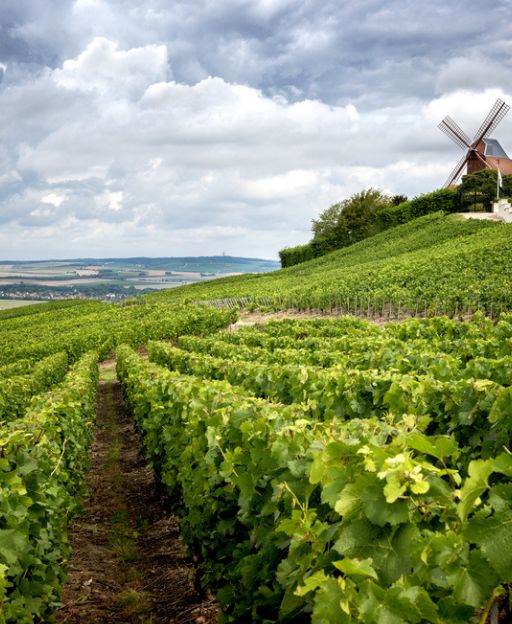
The Champagne region — officially the Grand Est administrative region, though locals and visitors still call it by its historic name — covers the area east of Paris, centred on the cities of Reims and Épernay. Gently sloping hillsides carry vines, chalk-white subsoils run beneath the fields, and a patchwork of villages has produced sparkling wine for over three centuries.
By train from Paris Gare de l’Est, Reims is just 45 minutes. You can realistically visit as a day trip, though spending one or two nights allows you to explore the vineyards at a more relaxed pace and visit the underground chalk cellars — known as crayères — that keep millions of bottles ageing in perfect conditions below the city streets.
Reims: The Heart of Champagne Country
Reims (pronounced “Rance” — the ‘s’ is silent and the accent sits firmly at the back of the throat) is the region’s main city and the best base for a first visit. Its Gothic cathedral, Notre-Dame de Reims, is one of the finest in France. For centuries, French kings were crowned here, and the building’s 2,300 carved figures make it arguably richer in sculptural detail than Notre-Dame in Paris. Even if you’re not particularly drawn to religious architecture, it’s worth setting aside an hour simply to stand inside and look up.
Below the city, the great Champagne houses — Taittinger, Veuve Clicquot, Pommery, Mumm — have dug kilometres of chalk tunnels using galleries that Roman quarrymen first cut. Most offer guided tours. At Pommery, the crayères are so vast, and sculptors have decorated them so elaborately with bas-reliefs, that the tour feels more like an art installation than a wine lesson.
Épernay: The Avenue of Champagne
Twenty minutes south of Reims by car or train, Épernay is smaller and quieter, but one street makes the trip worth it. The Avenue de Champagne runs between the imposing mansions of the world’s most famous Champagne houses — Moët & Chandon, Perrier-Jouët, Pol Roger, Mercier. Analysts put the value of wine ageing in the cellars beneath this one street at over six billion euros. Each house offers tours at different price points. Moët & Chandon is the most visited and includes a complimentary tasting at the end.
The Champagne Vineyard Routes
The UNESCO-designated vineyard landscapes of Champagne are concentrated along three main routes, each with its own character.
The Montagne de Reims
The Montagne de Reims is a forested plateau south of Reims, ringed by vineyards on its slopes. Villages here — Verzenay, Mailly, Rilly-la-Montagne — grow Pinot Noir grapes that give many prestige cuvées their backbone. Verzenay stands out: a 19th-century lighthouse tops a hilltop above the vines. A Champagne merchant built it originally as a publicity stunt; today it holds a small museum about vine-growing. The view from the top, across rows of vines to the plains of Champagne, is among the best in the region.
The Vallée de la Marne
Follow the Marne river westward from Épernay and the landscape softens. Pinot Meunier grows here, a grape that adds roundness and fruitiness to Champagne blends. The village of Hautvillers sits on a hillside above the valley. Locals claim Dom Pérignon — the Benedictine monk who perfected the méthode champenoise — lived and worked here. The abbey gardens are lovely. The village itself ranks among the most attractive in the region.
The Côte des Blancs
Stretching south from Épernay, the Côte des Blancs carries Chardonnay on almost every slope. These grapes produce blanc de blancs Champagnes — lighter, more mineral, with that characteristic note of chalk and green apple. The villages of Cramant, Avize, and Le Mesnil-sur-Oger stay small, unhurried, and free of tourist crowds. Drive this route on a clear autumn morning when the vines turn gold and the air carries the smell of harvest — it’s one of the quieter pleasures France has to offer.
What to Do Beyond the Wine
The Champagne region is emphatically not only about wine. If anything, the wine is the setting through which everything else — history, architecture, landscape — comes into focus.
Visit the First World War Memorials
Armies fought some of the First World War’s most brutal battles across the Champagne plain. The Chemin des Dames ridge, north of the Aisne river, witnessed catastrophic offensives. The Fort de la Pompelle museum outside Reims holds an excellent collection of helmets and military equipment. The Douaumont ossuary near Verdun — a short drive east — ranks among the most sobering memorials in Europe. American visitors should know that the US 42nd “Rainbow” Division fought extensively in this region during 1918.
Troyes: A Medieval City Worth a Detour
An hour south of Épernay, Troyes is a city most visitors to Champagne miss entirely — which makes it all the more rewarding. Its old centre is a dense web of half-timbered houses that give the streets a fairy-tale quality. Its Gothic churches carry remarkable stained glass and rival anything in France. The city also gave its name to the troy ounce, a unit of weight that precious-metal traders still use today. Plan a half-day here as a satisfying complement to the vineyard routes.
Practical Travel Tips for the Champagne Region
Getting around the Champagne region independently is straightforward, but requires a little planning. Here’s what to know before you go.
Getting There from Paris
The TGV from Paris Gare de l’Est to Reims runs every hour or so and takes around 45 minutes. Book in advance and a return ticket costs between €20 and €50 depending on departure time. Trains connect Reims to Épernay in about 25 minutes. Rent a car in Reims if you want to explore the vineyard routes — buses don’t serve the smaller villages well.
When to Visit
Harvest time — late September into October — is the most atmospheric season in Champagne. The vines are at their most colourful, the air carries the faint scent of fermenting must, and the towns have a purposeful energy that’s quite different from the quieter summer months. Spring is also beautiful, when the vines are just coming into leaf. Winter can be grey and cold, but the Champagne houses are quieter and easier to access without booking far in advance.
Booking House Tours
Book cellar tours at the major Champagne houses in advance, especially in summer and during harvest. Moët & Chandon charges around €30–40 per person including a tasting. Smaller, family-owned producers in the villages often charge less — sometimes nothing at all. Look for signs reading Récoltant-Manipulant (RM) on smaller properties. These grower-producers grow their own grapes and make their own wine, and they tend to offer a more personal experience.
Staying in the Region
Reims offers hotels at every price point. The Grand Hôtel des Templiers, close to the cathedral, has comfortable rooms and genuine architectural charm. For a rural stay, look for chambres d’hôtes in the Côte des Blancs villages — small bed-and-breakfasts that winegrowing families often run. Expect local produce at breakfast and a strong chance your hosts will open a bottle after dinner. Expect to pay between €90 and €150 per night for two people.
Frequently Asked Questions About Visiting the Champagne Region
Do I need to book Champagne house tours in advance?
Yes, especially for the larger houses. Moët & Chandon, Veuve Clicquot, and Pommery all require advance online booking, and popular time slots fill quickly in summer. For smaller grower-producers in the vineyard villages, you can often simply turn up and knock. Calling ahead in French (or using Google Translate for a brief message) is appreciated. The tourist offices in Reims and Épernay both keep up-to-date lists of producers who currently offer tastings.
Can I drive myself around the vineyard routes?
Driving is actually the best way to see the vineyard routes, but it comes with an obvious complication — you’re in a wine region. The sensible approach is to designate a driver for the day, or to split the tastings across multiple visits. Alternatively, several operators run guided minibus tours from Reims and Épernay that include multiple house visits, with a driver who handles the navigation. These typically cost between €60 and €120 per person depending on the houses visited.
Is Champagne worth visiting if I don’t drink wine?
Entirely. The UNESCO vineyard landscapes look stunning whether you drink or not. Reims Cathedral, the underground chalk cellars, the First World War memorials, and the medieval streets of Troyes all stand on their own merits. The region’s food is also excellent. Reims produces rose biscuits — small dry biscuits that locals traditionally dip in Champagne, though they work equally well in coffee. The local charcuterie and andouillette sausages are also worth seeking out.
You Might Also Enjoy
- Burgundy France Travel Guide: Wine Villages and What to See Beyond the Vineyards
- Normandy France Travel Guide: History, Coast, and the D-Day Beaches
- French Wine: A Beginner’s Guide to Bordeaux, Burgundy, Champagne and Beyond
Plan Your France Trip
Ready to start planning? Whether the Champagne region is your main destination or a two-day addition to a longer France trip, you’ll find everything you need in our complete planning guide. It covers transport, regions, budgets, and the questions most travel guides don’t bother to answer.
Start here: Planning Your Trip to France →
Join 7,000+ France Lovers
Every week, get France’s hidden gems, local recipes, and travel inspiration — the kind you won’t find in any guidebook.
Subscribe free — enter your email:
Love more? Join 64,000 Ireland lovers → · Join 43,000 Scotland lovers → · Join 30,000 Italy lovers →
Free forever · One email per week · Unsubscribe anytime
Tours & experiences you might love


Powered by Viator. Some links are affiliate links — we may earn a small commission at no extra cost to you.

Leave a Reply