
In 1874, a group of French painters held an exhibition in Paris. Critics laughed. One reviewer mocked them as “impressionists.” The artists kept the name. Today, their paintings hang in every great museum on earth.
French Impressionism changed how the world sees light, colour, and everyday life. It began not with a grand plan but with a group of friends who refused to paint the old way. What they started still shapes art, fashion, and culture today.
What Was French Impressionism?
Impressionism was a revolution in a paint box. Before the 1870s, French art followed strict rules. Artists painted historical scenes. They worked indoors. They blended brushstrokes until everything looked polished and smooth.
The Impressionists threw all of that away. They painted what they saw around them. Gardens. Cafés. Railway stations. Women washing clothes. They worked outside in natural light. They used short, visible brushstrokes. Their colours were bright and bold.
The Académie des Beaux-Arts, France’s official art body, rejected them. But the Impressionists kept painting. The world eventually came to love everything they created.
The Painters Who Started It All
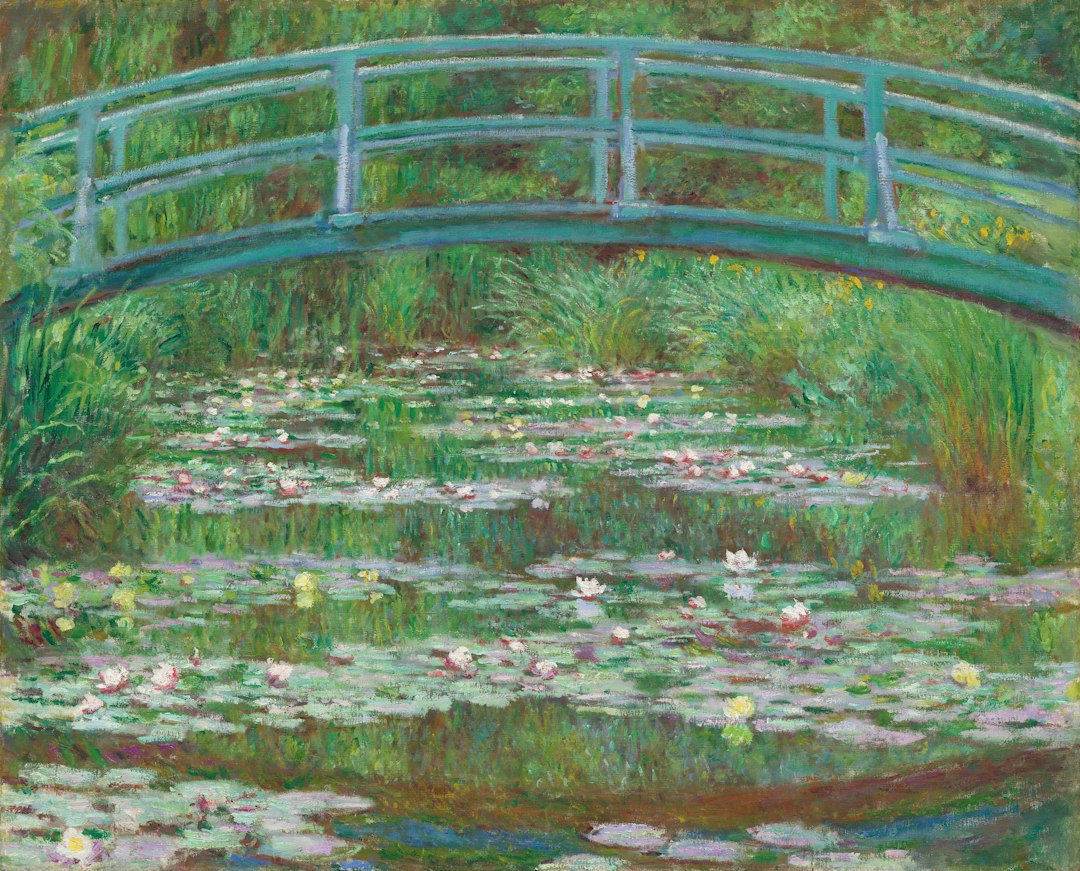
Claude Monet is the name most people know. He painted the same scenes again and again. The water lilies at Giverny. The haystacks at different hours of the day. The cathedral at Rouen in morning light, then noon, then dusk. He was not painting the object itself. He was painting what light did to it.
Édouard Manet was the godfather of the movement. He shocked Paris in 1863 with Le Déjeuner sur l’herbe. It showed a naked woman sitting calmly with fully clothed men. The painting broke every rule of decorum. It opened the door for everything that followed.
Pierre-Auguste Renoir painted joy. His canvases are full of sunlight, dancing, and laughter. Bal du Moulin de la Galette, painted in 1876, shows a summer afternoon in Montmartre. It radiates warmth.
Edgar Degas loved movement. He painted ballerinas rehearsing, jockeys at the track, and women bathing. He was deeply interested in how the body moves through space.
Mary Cassatt was American but she worked in Paris. She painted women and children with great tenderness. Her work brought Impressionism to American collectors. She helped the movement reach a global audience.
Berthe Morisot was the movement’s most important female painter. She showed in almost every Impressionist exhibition. Her work had a lightness and intimacy that was entirely her own.
🇫🇷 Enjoying this? 7,000 France lovers get stories like this every week. Subscribe free →
Why France? Why Then?
Impressionism could only have happened in France in the 1860s and 1870s. The timing was not an accident. France was changing fast, and the painters were watching.
Paris was being rebuilt. Baron Haussmann had torn down the old medieval city. New boulevards, cafés, and parks replaced narrow streets. City life was modern and exciting. It gave the artists new things to paint.
The railways made travel cheap and fast. Artists could reach the countryside in hours. They painted at Fontainebleau, at Argenteuil, at the Normandy coast. Natural light became their studio.
Chemistry gave them new colours. Synthetic pigments created shades that older painters had never had. Viridian green. Cobalt blue. Chrome yellow. The Impressionists used them all freely.
And a tube of paint changed everything. Before squeezable metal tubes arrived in the 1840s, artists mixed their own pigments. Taking paint outside was very difficult. The tube made outdoor painting practical. It literally uncorked the Impressionist movement.
This was also the period of the Belle Époque — when Paris led the world in art, ideas, and culture. The Impressionists were not separate from that spirit. They were its most vivid expression.
The Rejection and the Triumph
The Académie des Beaux-Arts held annual exhibitions called the Salon. Being accepted was essential. It meant recognition, sales, and a career. The Impressionists were rejected again and again.
In 1863, so many artists were turned away that Napoleon III ordered a second exhibition — the Salon des Refusés. The public came to laugh. But they also looked. Some of them wondered.
The Impressionists organised their own shows. They held eight independent exhibitions between 1874 and 1886. Critics still mocked them. Sales were slow. Some of the artists struggled badly. Monet was so poor in 1868 that he wrote to a friend: “I have no bread, no fire, no light.”
But the tide turned. American and European collectors started buying. Dealers like Paul Durand-Ruel took risks on the artists. By the 1890s, Impressionist paintings were valuable. By the 1900s, they were celebrated. The people who had laughed were wrong. The rebels had won.
How Impressionism Changed the World
Impressionism did not just change painting. It changed how artists thought about their job. Before Impressionism, a painting had to tell a story or show something grand. After Impressionism, a painting could simply show a moment. A garden. A river. Light on a table.
Post-Impressionists took this further. Paul Gauguin left France for Tahiti and painted in bold flat colours. Georges Seurat invented pointillism — building images from thousands of tiny coloured dots. Paul Cézanne reduced the world to geometric shapes.
Cézanne spent his final years in Aix-en-Provence, painting Mont Sainte-Victoire obsessively. His method led directly to Cubism. And Cubism led to modern art as we know it. Without Impressionism, there is no Cézanne. Without Cézanne, there is no Picasso.
Impressionism also helped France project its cultural power worldwide. It made Paris the art capital of the world in a way that no other movement had. Alongside French fashion and cuisine, Impressionism became part of France’s global identity.
Where to Experience Impressionism in France
France offers a wonderful Impressionist trail. You do not need to be an art expert to love it.
Paris: Musée d’Orsay
The Musée d’Orsay is the greatest Impressionist museum in the world. It holds the largest collection of Monet, Renoir, Degas, and Manet on the planet. Budget three to four hours. Buy tickets in advance — queues can be long.
Giverny, Normandy
Monet lived in Normandy at Giverny for the last 43 years of his life. His house is still as he left it. The gardens — the lily pond, the Japanese bridge, the flower beds — are the paintings you know, alive and growing. Visit in May or June for peak colour.
Auvers-sur-Oise
Just north of Paris, this quiet village is where Vincent van Gogh spent his final months. He painted 70 canvases in 70 days here. You can walk the same streets and fields he painted. The village has barely changed since 1890.
Aix-en-Provence
Cézanne’s hometown in Provence offers his studio and walking routes to Mont Sainte-Victoire. You can sit where he sat and see what he saw. The light in Provence is extraordinary — you will understand why it drew so many painters.
Étretat, Normandy
This cliffside village drew Monet, Courbet, and Boudin. The dramatic white chalk arches are as striking today as they were in the 19th century. It is one of the most paintable landscapes in France. Arrive early to beat the crowds.
The Impressionists and the French Diaspora
Impressionism was not just French. It was international from the start. American artists flocked to Paris to study and paint. Many brought the movement back to the United States. It shaped the art schools of Boston, New York, and Philadelphia.
American collectors bought Impressionist paintings when French collectors were still doubtful. The Cassatt family of Pittsburgh helped spread the movement through American museums. Their purchases gave American audiences direct access to French modern art before most French institutions had caught up.
French-Canadian artists also felt the pull of Paris. Many trained there in the late 19th century. They brought Impressionist ideas back to Québec. The influence can still be seen in Canadian art today.
This is part of what makes Impressionism so important to the French diaspora worldwide. France created the movement. The world embraced it. And France became, in the eyes of the world, the home of modern art. That identity still holds today. It is one of the reasons so many people feel a deep pull toward France — and toward understanding where that culture came from.
The rebels of Paris in the 1870s did not just change art. They gave France a new kind of power — cultural, emotional, and enduring.
Frequently Asked Questions
What is French Impressionism?
French Impressionism was an art movement that began in Paris in the early 1870s. It rejected formal academic painting in favour of outdoor scenes, visible brushwork, and the effects of natural light on everyday subjects. The name came from a mocking review of Claude Monet’s painting Impression, Sunrise in 1874.
Who were the main Impressionist painters?
The key Impressionist painters were Claude Monet, Pierre-Auguste Renoir, Edgar Degas, Édouard Manet, Berthe Morisot, Alfred Sisley, and Camille Pissarro. American painter Mary Cassatt also worked closely with the group and helped bring Impressionism to North America.
Where can I see Impressionist art in France?
The best place is the Musée d’Orsay in Paris, which holds the world’s largest Impressionist collection. Monet’s home and garden at Giverny, Cézanne’s studio in Aix-en-Provence, and Van Gogh’s final home in Auvers-sur-Oise are also outstanding destinations for anyone following the Impressionist trail.
Why was Impressionism controversial when it began?
The Académie des Beaux-Arts rejected Impressionist work because it broke with the classical tradition. Critics found the loose brushwork, outdoor settings, and everyday subjects sloppy and unfinished. It took two decades for the movement to gain widespread acceptance — and then it quickly became the most celebrated art in the world.
Can I visit the places the Impressionists painted?
Yes. Giverny, Étretat, Auvers-sur-Oise, and Aix-en-Provence are all open to visitors. Many Impressionist landscapes are still recognisable today. Walking the same ground the artists walked is one of the great pleasures of heritage travel in France.
You Might Also Enjoy
- The Belle Époque: When Paris Was the Capital of the World
- Normandy Travel Guide: D-Day Beaches, Mont Saint-Michel and Beyond
- Aix-en-Provence Travel Guide: What to See, Do and Eat in Cézanne’s City
Plan Your France Trip
Ready to walk in the footsteps of the Impressionists? Our France trip planning guide has everything you need to get started — from the best time to visit to where to stay and how to travel between regions.
Join 7,000+ France Lovers
Every week, get France’s hidden gems, seasonal guides, local stories, and the art of la vie française — straight to your inbox.
Subscribe free — enter your email:
Love more? Join 64,000 Ireland lovers → · Join 43,000 Scotland lovers → · Join 30,000 Italy lovers →
Free forever · One email per week · Unsubscribe anytime
Tours & experiences you might love


Powered by Viator. Some links are affiliate links — we may earn a small commission at no extra cost to you.

Leave a Reply