For forty years, Paris was unlike any other city on earth. Art filled the streets. Music spilled from cafés. Scientists made discoveries that changed the world. Fashion reinvented itself every season. This was the Belle Époque — France’s golden age.
The Belle Époque lasted from 1871 to 1914. Those four decades produced more cultural change than almost any other period in French history. Paris became the centre of everything. Writers, painters, inventors and dreamers arrived from across the world.
If your ancestors came from France or French Canada, this was the world they knew. Civil records from this era survive in archives across France. The photographs, letters and documents are still there — waiting to be found.
What Was the Belle Époque?
The Belle Époque means “Beautiful Era” in French. It began after France lost the Franco-Prussian War in 1871. The country rebuilt fast. Paris threw itself into art, science and pleasure.
The Third Republic brought stability. France grew wealthy. New technology arrived — electric lights, trains, telephones. The middle class expanded. More people could enjoy concerts, café life and travel.
By 1900, Paris hosted the World’s Fair. Fifty million visitors came. France showed the world what it could do. The city had become the planet’s cultural capital.
How Paris Was Transformed
Baron Haussmann had redesigned Paris in the 1850s and 1860s. His grand boulevards changed the city’s shape. They gave the Belle Époque its stage.
Tall apartment buildings lined wide streets. Cafés and brasseries opened on every corner. Gas lamps gave way to electric lights. Paris glittered at night like nowhere else in Europe.
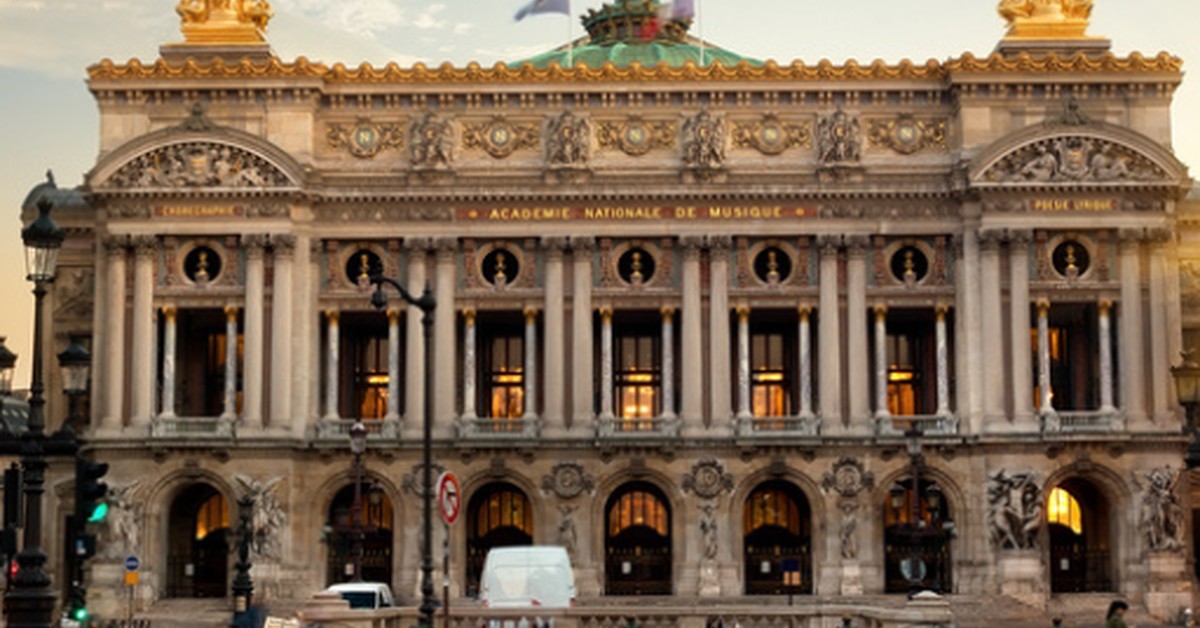
The Palais Garnier — Paris’s grand opera house — opened in 1875. Its golden interior set the tone for the age. Wealthy Parisians dressed up and went to see and be seen. The opera was as much a social event as a musical one. Learn more about French café culture that flourished during this era.
These new boulevards shaped daily life too. Parisians walked more. They stopped at cafés more. The city invited people outside. That habit of outdoor living still defines French culture today.
The Impressionists Who Changed Everything
The Belle Époque gave the world Impressionism. Claude Monet painted light on water. Pierre-Auguste Renoir showed people laughing at outdoor cafés. Edgar Degas captured ballet dancers mid-movement.
These painters were not popular at first. Critics laughed at them. The name “Impressionists” started as an insult from a hostile review. But the public quickly changed its mind.
By the 1880s, Impressionism had won. The movement spread beyond France and changed how the world saw art. You can still follow the Impressionists today — Honfleur harbour in Normandy was one of their favourite spots. The village of Moret-sur-Loing also preserves the landscapes they loved.
Henri de Toulouse-Lautrec captured the other side of Paris. He painted the Moulin Rouge. He showed cabaret dancers, circus performers and late-night café scenes. His posters turned commercial art into fine art. They still hang in galleries worldwide.
The World’s Fairs That Amazed the World
In 1889, France hosted the Exposition Universelle. It was a world’s fair to mark the French Revolution’s 100th anniversary. Fifty-six nations took part.
Gustave Eiffel built his famous tower for the occasion. It stood 300 metres tall. Workers finished it in just two years and two months. At the time, it was the world’s tallest structure.
Many Parisians hated it at first. Writers called it an eyesore. The city planned to tear it down after the fair. But visitors loved it. The Eiffel Tower stayed — and became France’s most recognised symbol.
France hosted another world’s fair in 1900. This one left even more landmarks behind. Workers built the Grand Palais, the Petit Palais and the Pont Alexandre III. All three still stand along the Seine today.
🇫🇷 Enjoying this? 7,000 France lovers get stories like this every week. Subscribe free →
Science, Discovery and Wonder
The Belle Époque was not just about art. It was an age of science too.
Louis Pasteur proved that germs cause disease. His discoveries saved millions of lives. Marie Curie won two Nobel Prizes — physics in 1903 and chemistry in 1911. She was the first woman to win a Nobel Prize. She remains the only person to win two in different sciences.
Auguste and Louis Lumière invented cinema in Lyon in 1895. They showed their first film to a paying audience on 28 December 1895. The audience watched a train pull into a station. Some reportedly fled the room in fear.
France also led early aviation. Louis Blériot crossed the English Channel by plane in July 1909. The world watched in astonishment. That flight took thirty-six minutes. It proved that no frontier was impossible.
Your Ancestors and the Belle Époque
Many families with French roots had ancestors alive during this era. French civil registration began in 1792. That means every birth, marriage and death from the entire Belle Époque was recorded and preserved.
If your family came from Quebec, Acadia or Louisiana, their French relatives lived through this age. Letters crossed the Atlantic regularly. Photographs survive. Civil records wait in archives. See our French ancestry guide to learn how to find them.
The Filles du Roi who built New France had great-grandchildren alive during the Belle Époque. By then, their descendants lived in Quebec while cousins remained in Normandy and Brittany. The archives départementales hold the records to connect them across that ocean.
The Belle Époque also drove new waves of migration. Some French families moved to North Africa and Indochina. Others crossed the Atlantic. The civil records of departure and arrival often survive — on both sides of the journey.
Where to Experience the Belle Époque Today
Paris keeps the Belle Époque alive. You can see it almost everywhere in the city.
The Palais Garnier stands as the era’s most magnificent building. Step inside. The gold, velvet and marble interior is breathtaking. The grand staircase alone is worth the visit.
The Eiffel Tower was built for the 1889 World’s Fair. Climb to the second floor at dusk. Watch Paris light up below. It costs less than you’d expect and takes about an hour.
The Grand Palais opened for the 1900 World’s Fair. Its glass roof and iron frame blend beauty with engineering. Major art exhibitions take place there throughout the year.
The Pont Alexandre III crosses the Seine near the Grand Palais. Its gold lamps and ornate sculptures are pure Belle Époque. Walk across it at sunset for one of Paris’s best views.
Art Nouveau metro stations dot the city. Abbesses and Arts et Métiers are the most ornate. Hector Guimard designed their curved iron entrances. They look the same today as they did in 1900.
Plan your Paris visit with our 5 Days in Paris itinerary — it covers many of these sites in a practical route.
Frequently Asked Questions
What does Belle Époque mean in French?
Belle Époque means “Beautiful Era.” The French coined the phrase after World War One. They looked back at the decades before 1914 and saw a golden age. The contrast with the war made the memory far sweeter.
When did the Belle Époque take place in France?
The Belle Époque ran from 1871 to 1914. It began after France lost the Franco-Prussian War. It ended when World War One started in August 1914. Those 43 years saw an explosion of art, science and cultural life.
Why did the Belle Époque end?
The Belle Époque ended when World War One began in 1914. The war killed nearly 1.4 million French soldiers. It shattered the confidence and optimism of the age. France never fully recovered the mood of those golden years.
What are the best Belle Époque landmarks in Paris?
The Palais Garnier, the Eiffel Tower, the Grand Palais, the Petit Palais and the Pont Alexandre III all date from this period. The Art Nouveau metro entrances designed by Hector Guimard are also landmarks of the era. All are free to view from outside and easy to reach by metro.
How did the Belle Époque influence modern France?
The Belle Époque shaped French identity. The café culture, the fashion industry, the art world and France’s scientific tradition all grew during this period. Many French institutions founded then still operate today. The French pride in culture, cuisine and style traces directly back to these four decades.
You Might Also Enjoy
- Why Impressionist Painters Never Left Honfleur Harbour — the Norman port that inspired Monet and Courbet
- Louis XIV and Versailles: How the Sun King Shaped France — the era that came before and set the stage
- The Filles du Roi: The 800 French Women Who Built Canada — the ancestors of millions of French Canadians
Plan Your France Trip
Ready to visit Belle Époque Paris? Start with our complete planning hub: Start Here — Planning Your Trip to France. It covers visas, transport, regions and when to go.
Join 7,000+ France Lovers
Every week, get France’s hidden gems, seasonal guides, local stories, and the art of la vie française — straight to your inbox.
Subscribe free — enter your email:
Love more? Join 64,000 Ireland lovers → · Join 43,000 Scotland lovers → · Join 30,000 Italy lovers →
Free forever · One email per week · Unsubscribe anytime
Tours & experiences you might love


Powered by Viator. Some links are affiliate links — we may earn a small commission at no extra cost to you.

Leave a Reply