Something is shifting in France’s wine world. The most talked-about bottles aren’t coming from famous châteaux or grand crus. They’re arriving from small farms in the Loire Valley, tucked-away cellars in the Jura, and tiny parcels in Beaujolais where stubborn winemakers decided to stop following the rules.
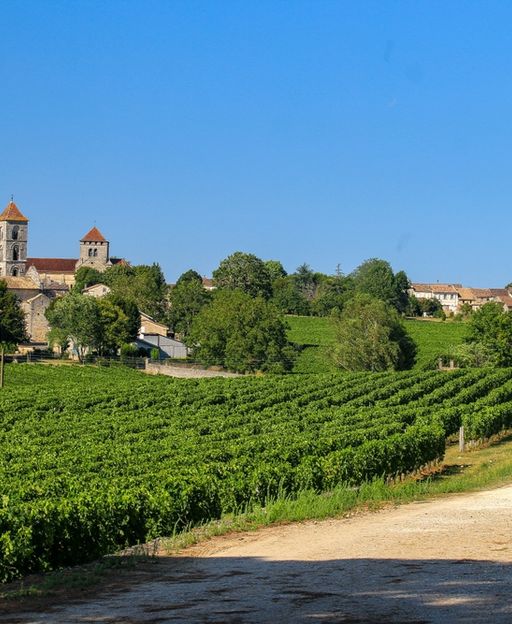
The movement these winemakers sparked has a name — natural wine — and France is where much of it began.
What Natural Wine Actually Means
Natural wine has no official legal definition in France. That frustrates some and excites others. The shared understanding runs like this: grapes grown without pesticides or herbicides, fermented with wild yeasts instead of commercial ones, and bottled without the long list of additives that conventional winemaking allows.
No fining agents. Minimal sulphites. No corrective chemistry to fix what went wrong at harvest. The result is wine that tastes different in every bottle and every vintage.
Some natural wine is cloudy. Some is orange-hued. Some smells like a barn or a forest floor — and its fans consider that a feature, not a flaw.
Where the Movement Began
Natural wine in France didn’t start in Paris. It started in Beaujolais in the 1970s and 1980s, when producers began working with a local thinker and chemist named Jules Chauvet. Chauvet believed that good winemaking meant stepping back — letting the grape express the place it came from.
His ideas spread. A generation of younger winemakers in the Loire Valley, the Jura, and the Rhône began experimenting. They worked small plots, kept yields low, and left behind the chemical toolkit that had become standard after the 1960s.
Paris wine bars — called caves à manger or cavistes — became the first public stage for these wines. By the 2010s, natural wine had become something visitors came to France looking for.
The Arguments It Sparked
Conventional winemakers pushed back. Some claimed natural wine was unstable. Others argued it tasted inconsistent — and for estates whose reputation rests on a reliable product year after year, inconsistency felt like a threat.
The natural wine camp answered that over-engineered consistency had become its own problem. When every bottle of the same label tastes identical year to year, you’ve removed the terroir that makes French wine worth talking about.
Enjoying this? 7,000 France lovers get stories like this every week.
Thinking about it for retirement? If you’ve started thinking seriously about retiring there, our complete our full Retire in France guide covers the visa, healthcare, cost-of-living, and the regions worth shortlisting.
This debate still runs hot in French wine circles. The AOC (Appellation d’Origine Contrôlée) system, which governs what French wine can call itself, has been slow to accommodate natural producers. Many label their bottles simply “Vin de France” — a deliberate step back from prestige, treated as a point of pride.
Where to Find Natural Wine in France
The Loire Valley is the best starting point. The Anjou, Touraine, and Muscadet subregions all have producers working without pesticides or additions. The wines are often lighter and more expressive than the Loire’s mainstream reputation suggests.
The Regions Leading the Natural Wine Revolution
Beaujolais deserves serious attention — not the cheap Nouveau variety, but small-producer Morgon or Fleurie from a domaine that avoids additives. The difference is startling if you’ve only drunk supermarket Beaujolais.
The Jura, in eastern France near the Swiss border, is a major centre. The region produces unusual whites from the Savagnin grape — oxidative, nutty, unlike anything else in the country. Natural winemakers there have found conditions that suit their methods well.
In Paris, the best natural wine bars sit in the 11th arrondissement, the Marais, and the 20th. Most serve small plates alongside bottles you won’t find in a supermarket. The staff know what’s in every bottle — ask them.
For a wider tour of France’s wine landscape — including both traditional and natural producers — the best wine regions in France guide covers the full map. If you’re building a trip around wine country, start here for your France travel planning.
How France Drinks It
Natural wine hasn’t replaced the classics in France. Bordeaux and Burgundy aren’t going anywhere. Natural wine has found a specific audience: younger French drinkers, curious visitors, and chefs who treat wine as an ingredient rather than a status symbol.
The trend has pushed French winemakers back towards older ideas. Biodynamic farming, cover crops between vine rows, horse-drawn ploughing on steep slopes — practices that industrial wine dismissed as romantic now produce some of the country’s most-discussed bottles.
Frequently Asked Questions
What is natural wine in France?
Natural wine in France refers to wine made from organically farmed grapes, fermented with wild yeasts, and bottled with minimal or no added sulphites. There is no official legal definition, but most producers follow these shared principles.
Where can I find the best natural wine in France?
The Loire Valley, Beaujolais, and the Jura are the strongest regions for natural wine. In Paris, look for caves à manger in the 11th arrondissement and the Marais, where staff curate bottles from small producers across France.
What is the difference between natural wine and organic wine?
Organic wine in France refers to grapes grown without synthetic pesticides — the certification covers farming only. Natural wine goes further: it also avoids commercial yeasts and additives in the cellar. Some natural wines are also organic, but not all organic wines are natural.
Is natural wine available outside specialist bars in France?
Independent wine shops (cavistes) in most French cities carry natural wine. Supermarkets stock very little. The best selections come from small shops whose owners source directly from producers — particularly in Paris, Lyon, and Bordeaux.
The best natural wine in France tastes like the year it came from and the soil it grew in. You won’t always love what you get — but you’ll never mistake it for anything made by committee.
Join 7,000+ France Lovers
Three times a week, get France’s hidden gems, seasonal guides, local stories, and the art of la vie française — straight to your inbox.
Subscribe free — enter your email:
Love more? Join 65,000 Ireland lovers → · Join 43,000 Scotland lovers → · Join 29,000+ Italy lovers →
Free forever · Unsubscribe anytime
🇫🇷 You Might Also Love
Tours & experiences you might love


Powered by Viator. Some links are affiliate links — we may earn a small commission at no extra cost to you.

Leave a Reply