
Drive east from Bordeaux on a summer morning and the landscape changes quickly. The suburbs dissolve. The vines begin. And then, almost without warning, you pass through something that no wine map has ever bothered to mark — a village. Stone houses, a church tower, a fountain catching the light. Life, happening between the rows.
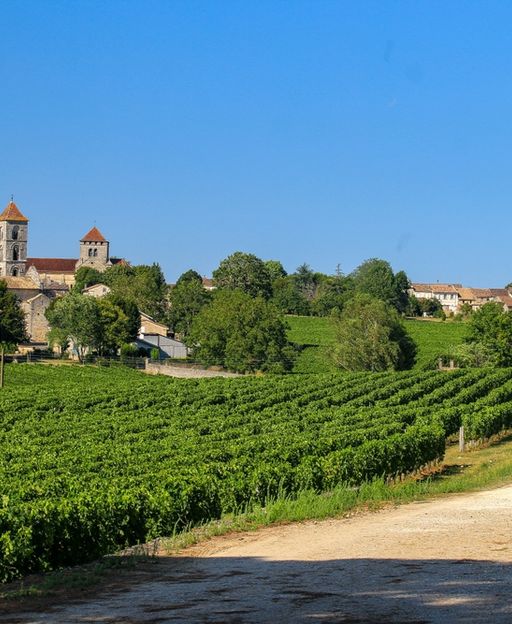
The Villages the Wine Maps Never Show
Every serious introduction to Bordeaux wine begins the same way. Appellations, left bank versus right bank, the famous classification of 1855. Maps of châteaux, maps of terroir, maps of the Médoc and the Libournais.
What those maps don’t show is the human geography underneath. Before there was wine, there were villages. And those villages are still there — largely unchanged, largely unvisited, tucked into the landscape like something the wine industry simply grew around.
In the Saint-Émilion area alone, more than a dozen medieval settlements dot the rolling land between the vines. They appear on topographical maps. They don’t appear in wine guides. You find them the way the French find everything worth finding — by turning off the main road.
What Life Looks Like Between the Rows
These are not show villages preserved for tourist photographs. They’re working communities. The baker opens before six. The pharmacist knows three generations of the same family. The café fills at noon with the same faces that have been coming since 1977, ordering the plat du jour without looking at the board.
In harvest season, the rhythm shifts. Vendangeurs — seasonal grape pickers — arrive from across France and further afield, sleeping in village halls and farm cottages, rising before dawn to start in the rows. The vines come right to the edge of village gardens. Children cycle on roads that thread between estates worth hundreds of millions. Dogs sleep in patches of late-afternoon sun.
Life carries on, perfectly ordinary and quietly extraordinary.
The Grands Crus and the Grocers
Saint-Émilion itself is famous — a UNESCO World Heritage hill town of honey-coloured stone and winding streets. But its satellite villages are something else entirely. Places like Vignonet, Saint-Sulpice-de-Faleyrens, and the tiny hamlets near Pomerol sit just minutes away, almost entirely undiscovered.
In these villages, you’ll find a grocer stocking the same wine that sells for £200 a bottle in London. The twelfth-century church still holds Sunday mass. The war memorial lists family names that still appear on estate gates around the corner. History here isn’t curated. It’s simply sitting there, in plain sight.
Enjoying this? 7,000 France lovers get stories like this every week. Subscribe free →
The Real Bordeaux Nobody Talks About
The grand châteaux get all the attention. Pétrus. Mouton Rothschild. Cheval Blanc. These are the names that fill the wine press, the auction catalogues, the glossy features in weekend supplements.
But the villages these estates grew up around — the hamlets that housed the workers, that buried the vignerons, that fed the families across the centuries — those are the places that hold the real story of Bordeaux. Not the wine in the glass, but the land and the lives that made it possible.
How to Find Them
You don’t need a guide or an itinerary. A detailed map and a willingness to take a wrong turn is enough. Cycle routes thread through the Bordeaux vineyards, passing through villages that see perhaps a dozen visitors a week at the height of summer — and none at all in January.
The best approach is to spend at least one day with no destination beyond a general direction. Head towards the Libournais, follow the Dordogne, and see what appears. You might end up eating lunch in a square that doesn’t exist on TripAdvisor, served by someone who has never heard the word influencer.
For practical help planning a trip, the France travel planning hub is the best starting point. We’ve also covered the best wine regions in France in more detail, and the complete Bordeaux travel guide will help you decide how to spend your time.
Why They Stay Hidden
There’s no conspiracy. The villages simply don’t advertise themselves. The wine estates have press offices and tasting-room booking systems and visiting journalists. The villages next to them have a notice board at the mairie and a mass schedule pinned to the church door.
The French, in this as in many things, operate on the assumption that the right people will find their way.
And perhaps that is the point. The wine country of south-west France rewards curiosity above almost everything else. The further you travel from the tasting rooms and the gift shops, the closer you get to something that feels genuinely lived-in — ordinary in the best possible sense.
Somewhere between the vines, a church bell rings on the hour. Nobody looks up. This is just Tuesday.
🇫🇷 Discover the France Most Tourists Never Find
Get our free guide to 25 hidden villages of France — then join 7,000+ readers for weekly stories about places most guidebooks never mention.
Get Your Free Village Guide →Love France? So Do We.
Join our free newsletter and get the best of France — travel tips, hidden villages, food traditions, and cultural stories — straight to your inbox every week.
Free. No spam. Unsubscribe anytime.
📥 Free Download: France Travel Planning Guide
Itineraries, insider tips, and the places you must not miss on your next trip to France.
🇫🇷 You Might Also Love
Tours & experiences you might love


Powered by Viator. Some links are affiliate links — we may earn a small commission at no extra cost to you.

Leave a Reply