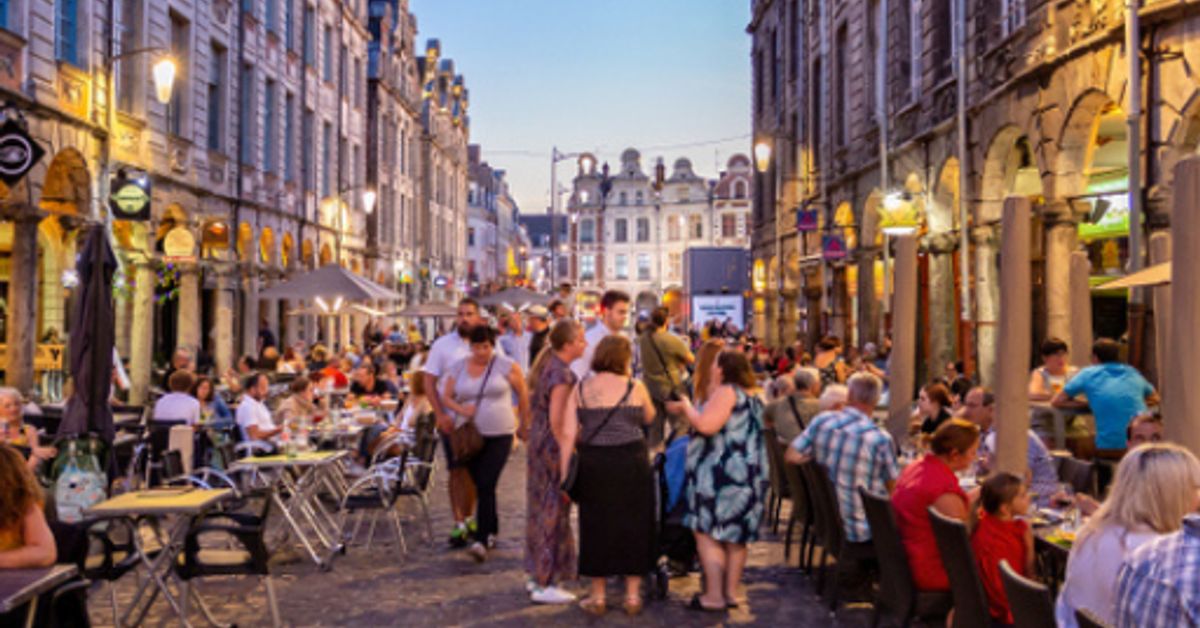
The French apéritif is more than a drink. It is a daily ritual that marks the transition from work to evening. Every evening across France, at around six or seven o’clock, something magical happens. Glasses clink. Conversations start. Small dishes of olives and crackers appear on the table. This is l’heure de l’apéritif — the apéritif hour.
No country has elevated the pre-dinner drink to an art form quite like France. For millions of French families, the apéritif is as fixed as the evening news. You do not skip it. You do not rush it. You savour it.
Whether you are in a sun-baked square in Provence, a Parisian apartment, or a village café in Burgundy, the ritual is the same. Life slows down. Appetites wake up. The evening begins.
What Is the French Apéritif?
The word apéritif comes from the Latin aperire, meaning “to open.” The idea is simple. You take a small drink before dinner to open the appetite and ease into the meal.
But in France, the apéritif has grown into something far greater than its original purpose. It has become a social institution.
The apéritif is not just about the drink. It is about the company, the conversation, and the ritual of gathering. It creates a boundary between the chaos of the day and the pleasure of the table. In French culture, dinner is serious business. The apéritif prepares everyone — physically and emotionally — for what comes next.
A Brief History of the French Apéritif
The apéritif has ancient roots. Roman physicians believed bitter herbal drinks could stimulate digestion before meals. Monasteries across medieval Europe infused wine with herbs and spices for medicinal purposes.
By the 18th century, these herbal preparations had found their way into French social life. The first commercially produced apéritif wine appeared in 1786, when Joseph Noilly created his famous dry vermouth in the south of France. Vermouth opened the door.
Through the 19th century, French entrepreneurs produced a range of fortified wines, bitters, and anise spirits for the pre-dinner ritual. Dubonnet launched in 1846. Byrrh followed in 1866. Suze, made from gentian root, appeared in 1889.
By the early 20th century, the apéritif was thoroughly French. It appeared in novels, paintings, and films. It became part of the national identity. Today, the French spend more per capita on apéritif drinks than any other nation. That says everything.
Classic French Apéritif Drinks
France produces dozens of classic apéritif drinks. Some are regional. Some are national institutions. All are worth knowing.
Kir
Kir is the most distinctly French of all apéritifs. It combines dry white wine — traditionally Bourgogne Aligoté — with a splash of blackcurrant liqueur (crème de cassis). Named after Félix Kir, a Burgundy mayor who popularised the drink after World War Two, Kir is served cold and tastes of summer. Swap the white wine for champagne and you have a Kir Royale — the drink of celebrations.
Pastis
In the south of France, pastis reigns supreme. This anise-flavoured spirit from Marseille turns cloudy when you add water. The transformation — from amber to milky white — is part of the ritual. Add one part pastis to five parts cold water. Watch it cloud. Sip slowly in the shade. You are now Provençal. Ricard and Pernod are the two great pastis brands, but countless regional varieties exist across the Midi.
Champagne and Crémant
In Paris and the Champagne region, fizz is the natural choice. A glass of champagne or crémant — the less expensive sparkling wine from other French regions — signals occasion without effort. Crémant d’Alsace, Crémant de Bourgogne, and Crémant de Loire are all excellent and considerably cheaper than champagne. No one will judge you.
Lillet Blanc
Lillet Blanc is a Bordeaux-based fortified wine infused with citrus and herbs. It is light, floral, and gently sweet. Serve it cold over ice with a slice of orange peel. It pairs beautifully with warm weather and good conversation.
Suze
Suze is an acquired taste — and a mark of sophistication. Made from gentian root, it is intensely bitter and herbal. The French serve it straight over ice, sometimes with a dash of sparkling water. It is an education in restraint.
🇫🇷 Enjoying this? 7,000 France lovers get stories like this every week.
Thinking about it for retirement? If you’ve started thinking seriously about retiring there, our complete our full Retire in France guide covers the visa, healthcare, cost-of-living, and the regions worth shortlisting.
What the French Eat During the Apéritif
The apéritif is never just liquid. Food is essential.
In France, the accompanying bites are called amuse-bouches or apéritifs dinatoires when they become a meal in themselves. The usual offerings are modest but carefully chosen. Expect a bowl of olives — good ones, marinated with herbs and lemon. A dish of salted crackers or thin toasted slices of baguette. Perhaps a small terrine or a pot of tapenade. Crisps are entirely acceptable. Nuts are always welcome.
In Burgundy, you might find gougères — small, airy cheese puffs made with Comté or Gruyère. In Alsace, tarte flambée fingers appear. In the south, ancoïade (anchovy dip) and crudités are common. The food is designed to stimulate appetite, not satisfy it. You are eating to sharpen your hunger, not blunt it.
The Social Rules of the French Apéritif
The apéritif has its own unspoken code of conduct. Understanding it helps you participate rather than observe.
Timing. L’heure de l’apéritif typically begins at 6pm or 7pm and lasts 30 to 60 minutes. It ends when dinner is ready. Do not arrive early. Do not stay so long that the hosts begin to worry about their soufflé.
Quantity. One drink, sometimes two. The apéritif is a beginning, not a destination. The French look poorly on guests who drink too much before sitting down.
Conversation. The apéritif is the time for light conversation, not serious discussion. Business talk is inappropriate. Arguments are unwelcome. This is the moment to be charming and unhurried.
Standing or sitting. At home, the apéritif often happens standing in the living room or on a terrace. At a café, you sit at the pavement table. The format is flexible. The spirit is fixed.
Where to Experience the French Apéritif
Every French city has its own apéritif culture. Here are three worth seeking out.
Lyon. Known as the gastronomic capital of France, Lyon takes its apéritif seriously. The city’s bouchons — traditional restaurants — often serve small plates of charcuterie with your pre-dinner drink. The Presqu’île district, with its café-lined squares, is the perfect setting.
Marseille. In Marseille, pastis is king. Find a terrace overlooking the Vieux-Port, order a pastis, and watch the fishing boats bob. This is the apéritif in its most elemental form.
Paris. Paris offers every style of apéritif imaginable, from champagne at a grand café on the Boulevard Saint-Germain to a Kir Royale at a small neighbourhood bar in the Marais. The city’s roof terraces are especially beautiful in summer.
If you are visiting France and want to experience local life as the French live it, skip the tourist restaurants at 6pm. Find a café instead. Order an apéritif. Watch. You will see France at its most authentic.
How to Recreate the French Apéritif at Home
You do not need to be in France to enjoy this ritual. The apéritif is entirely portable.
Choose your drink. A bottle of Kir ingredients — Bourgogne Aligoté and crème de cassis — costs less than £15 and makes a dozen drinks. Pastis is available in most wine merchants. Crémant is widely available in good supermarkets and independent wine shops.
Set out small dishes. Olives, good crackers, a piece of aged cheese. If you are feeling ambitious, make gougères — there are simple recipes widely available online. Put your phone away. Spend 30 minutes talking before you do anything else. That is the ritual. That is the point.
If you are planning a trip to France, our France Travel Planning Hub covers everything you need to know before you go — from which regions to visit to how to find your ancestral village. And if you are curious about the people behind France’s regional character, our guide to the Huguenots and their global legacy offers a fascinating window into French identity. You might also enjoy learning how to plan a French heritage trip to connect with your roots in person.
Frequently Asked Questions About the French Apéritif
What is the difference between an apéritif and a digestif?
An apéritif is taken before the meal to open the appetite. A digestif is taken after the meal to aid digestion. Common French digestifs include Calvados, Armagnac, Cognac, and herbal liqueurs such as Chartreuse. The sequence — apéritif, meal, digestif — is the structure of a formal French dinner.
Is the French apéritif always alcoholic?
Traditionally, yes. Classic French apéritifs contain alcohol. However, a non-alcoholic apéritif is entirely acceptable in modern France. Sparkling water, fresh fruit juices, and non-alcoholic sparkling wines are all served. The ritual matters more than the alcohol content.
What is the best French apéritif for beginners?
Kir is the most approachable. It is light, fruity, and gently sweet. A Kir Royale — made with champagne or crémant instead of white wine — is even more festive. Pastis is an acquired taste. Try it once before committing to a bottle.
When is the best time for an apéritif in France?
Between 6pm and 7:30pm is the traditional window. In the south of France, particularly in summer, it often extends later. If you are visiting a French family for dinner, arriving at 7pm for an 8pm table is the norm. The hour between is for the apéritif.
Is the apéritif expensive at French cafés?
Not at all. A glass of house rosé or a Kir at a neighbourhood café typically costs between €3 and €6. Even in Paris, the apéritif is one of the most affordable pleasures the city offers. It is democratic by design.
You Might Also Enjoy
- French Surnames of Provence: Origins, Meanings and Family Heritage
- The Acadians: Expelled from Nova Scotia, Forever French
- How to Trace Your French Ancestry – A Step-by-Step Guide
Plan Your France Trip
Ready to experience l’heure de l’apéritif for yourself? Our France Travel Planning Hub has everything you need — from which regions to visit to where to find the best café terraces in every city.
Join 7,000+ France Lovers
Three times a week, get France’s hidden gems, seasonal guides, local stories, and the art of la vie française — straight to your inbox.
Subscribe free — enter your email:
Love more? Join 65,000 Ireland lovers → · Join 43,000 Scotland lovers → · Join 30,000 Italy lovers →
Free forever · · Unsubscribe anytime
🇫🇷 You Might Also Love
Tours & experiences you might love


Powered by Viator. Some links are affiliate links — we may earn a small commission at no extra cost to you.

Leave a Reply