Every September, fishermen wade into the cold tidal waters of the Brittany coast and pull up something that France has argued about, celebrated, and obsessed over for centuries. Not treasure. Not fish. Oysters.
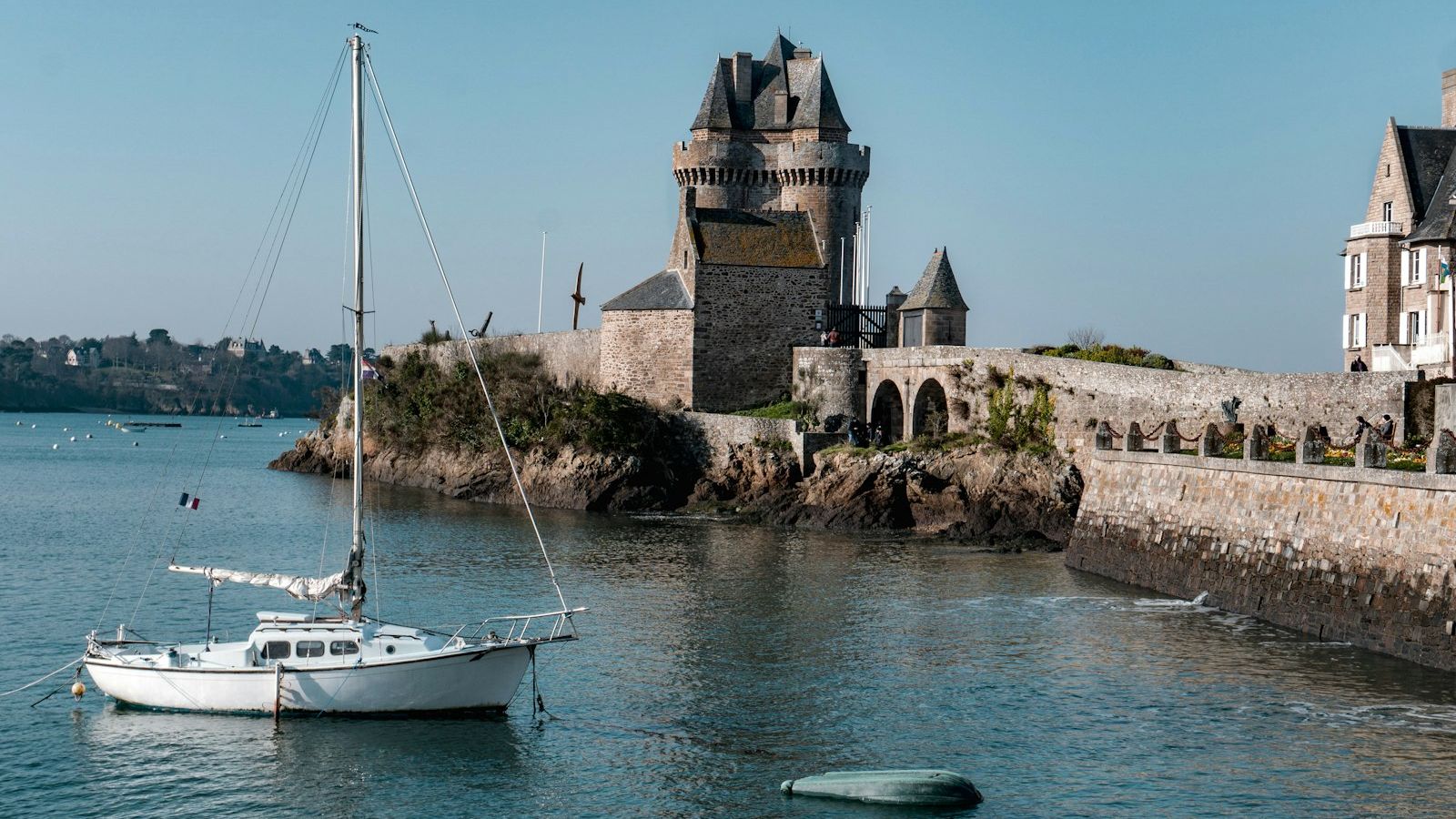
Brittany produces roughly 50,000 tonnes of oysters each year. That is half of France’s total output. And the French eat more oysters per person than almost any other nation on earth. Those two facts are not a coincidence.
Why Brittany’s Waters Produce Something Special
Stand at the water’s edge at low tide in the Morbihan Gulf and you will see why. The tidal range here reaches up to 10 metres — among the largest in Europe. Twice a day, the Atlantic pushes nutrient-rich water deep into the estuaries. Twice a day, it pulls back out.
That constant movement feeds the oysters constantly. They filter hundreds of litres of seawater every day. The plankton here is exceptionally dense. The temperature stays cold enough to slow growth but warm enough to develop flavour. Breton oyster farmers call this combination l’environnement parfait — the perfect environment.
The result is an oyster with a sharp, clean brine on the first bite, followed by a lingering sweetness that wine writers spend entire paragraphs trying to describe.
The Three Regions That Define Breton Oysters
Brittany is not one oyster region. It is at least three distinct ones, and Bretons will tell you each tastes nothing like the others.
Cancale, on the northern coast near Mont-Saint-Michel Bay, produces oysters that locals eat standing up at the market, leaning over the seawall with a squeeze of lemon. Cancale has grown oysters since the 17th century. Louis XIV’s kitchens at Versailles received regular deliveries from here. The shells are flatter, the flavour more mineral, the brine more pronounced.
Morbihan Gulf, further south, offers something different. The enclosed bay creates its own microclimate. The oysters here grow slower, taste sweeter, and carry a faint nuttiness that producers attribute to specific algae in the gulf’s sheltered waters.
Belon, near the Aven river estuary, is where France’s most famous flat oyster comes from. The Belon oyster is rarer, more expensive, and more aggressively flavoured than its cupped cousins. Chefs across Paris and New York pay premium prices for it. It tastes metallic, earthy, and intensely of the sea — not subtle at all.
Enjoying this? 7,000 France lovers get stories like this every week.
Thinking about it for retirement? If you’ve started thinking seriously about retiring there, our complete our full Retire in France guide covers the visa, healthcare, cost-of-living, and the regions worth shortlisting.
How Breton Farmers Raise Oysters
Oyster farming in Brittany is not a casual business. It takes three to four years to raise a single oyster from spat to table size. Farmers buy juvenile oysters — tiny as a fingernail — and place them in mesh bags stacked on iron trestles at low-tide level. Every few months, they turn the bags by hand to prevent the oysters fusing together and to harden their shells.
At low tide, the trestles stand exposed. You can walk along the beds and watch the work happening. Farmers in waterproofs, bent over the racks, turning bags in the November cold. It looks medieval. The technique itself has not changed much in 150 years.
In the final months before harvest, farmers move oysters into claires — shallow, algae-rich ponds — to fatten them. The type of algae in each claire gives the oyster its finishing flavour notes. Farmers guard their claire locations the way winemakers guard their best vineyard plots.
If you want to see Brittany’s other great coastal tradition, the fishing villages come alive at low tide in ways most visitors completely miss. The same tidal rhythms that make oyster farming possible also shape everything else about life on this coast.
How Bretons Actually Eat Them
No sauce. No mignonette. No elaborate preparation.
A Breton eats an oyster the way they eat everything — directly and without apology. You open it at the table, hold the shell, tip it back, and drink the brine along with the meat. A squeeze of lemon is acceptable. Bread and salted butter sit alongside. A glass of Muscadet or a local Breton cider completes the picture.
The Christmas and New Year period is when consumption peaks across France. Supermarkets stack crates near the entrance from early December. Oyster stalls appear in every market square. Families argue about who opens them and who gets the best ones. In Brittany, this feels less like a seasonal ritual and more like returning to something that was always there.
The coastal character of Brittany extends beyond oysters — the region’s offshore islands carry a fierce local identity that even mainland French find striking. That same stubborn pride runs through every aspect of Breton seafood culture.
Where to Taste Brittany Oysters
Cancale’s covered market sells oysters by the dozen from early morning. You carry them to the seawall overlooking Mont-Saint-Michel Bay, open them on a stone, and eat with the bay behind you. It costs less than a coffee in Paris.
In the Morbihan Gulf, several farms offer direct tastings. The village of Locmariaquer sits at the mouth of the gulf and runs an oyster festival each August. Producers set up tables along the port, and the tasting goes on until the stock runs out.
For Belon oysters specifically, seek out restaurants near Pont-Aven or Riec-sur-Bélon. A good seafood restaurant will source directly from the river estuary farms a few kilometres away. Ask for huîtres plates de Belon — if they have to think about it, walk out.
Before you plan your visit, the France planning guide covers everything you need to know about travelling the regions, including the best times to visit Brittany for coastal experiences.
Frequently Asked Questions About Brittany Oysters
When is the best time to eat Brittany oysters?
Brittany oysters taste good year-round, but many visitors prefer autumn through spring (September to April). Summer oysters are edible but can taste milder as the warmer water affects flavour. The old rule about eating oysters only in months with an “R” in them exists because summer heat once made safe transport difficult — refrigeration has made that mostly irrelevant, but the autumn peak remains the finest season for flavour.
What is the difference between a Belon oyster and a regular French oyster?
A Belon is a flat European oyster (Ostrea edulis), rounder and flatter in shape than the cupped Pacific oysters (Crassostrea gigas) that dominate French production. Belon oysters are more intensely flavoured — copper, metal, brine — and more expensive. They grow more slowly and in much smaller quantities. Most oysters you encounter in French restaurants and markets are Pacific cupped oysters, not Belons.
Can you visit an oyster farm in Brittany?
Yes. Several farms in the Morbihan Gulf, around Cancale, and near the Belon estuary offer visits and direct tastings. Some require a booking in advance; others welcome walk-ins. The Cancale fish market sells oysters to the public every morning from the market tables. For farm visits with a guide, ask at the local tourist office in Cancale or Locmariaquer — they maintain a current list of farms that accept visitors.
How many oysters does Brittany produce each year?
Brittany produces approximately 50,000 tonnes of oysters annually. This accounts for roughly half of France’s total oyster output. France as a whole produces around 80,000 to 100,000 tonnes per year, making it one of the world’s largest oyster-producing nations alongside Japan, South Korea, and the United States.
Brittany earns its obsession. Half a century of industrial farming elsewhere in Europe has come and gone, but Breton oyster culture stays rooted in the same tides, the same trestles, and the same cold Atlantic patience. That is why the oysters taste the way they do. And that is why people keep coming back.
Join 7,000+ France Lovers
Three times a week, get France’s hidden gems, seasonal guides, local stories, and the art of la vie française — straight to your inbox.
Subscribe free — enter your email:
📲 Know someone who’d love this? Share on WhatsApp →
Love more? Join 65,000 Ireland lovers → · Join 43,000 Scotland lovers → · Join 29,000+ Italy lovers →
Free forever · Unsubscribe anytime
🇫🇷 You Might Also Love
Tours & experiences you might love


Powered by Viator. Some links are affiliate links — we may earn a small commission at no extra cost to you.

Leave a Reply