
The Champagne region of France sits about 150 kilometres east of Paris — close enough for a day trip, but far better as an overnight stay. This is where the world’s most famous sparkling wine comes from, and the landscape makes it immediately obvious. Rolling hills covered in vines, chalky white soil, grand stone houses and deep underground cellars stretching for kilometres beneath your feet. Two cities anchor the region: Reims, with its towering Gothic cathedral, and Épernay, home to the most storied wine avenue on earth. This guide covers both, plus the wine route that connects them.
Love France? Join 7,000+ readers on our free newsletter → lovetovisitfrance.substack.com
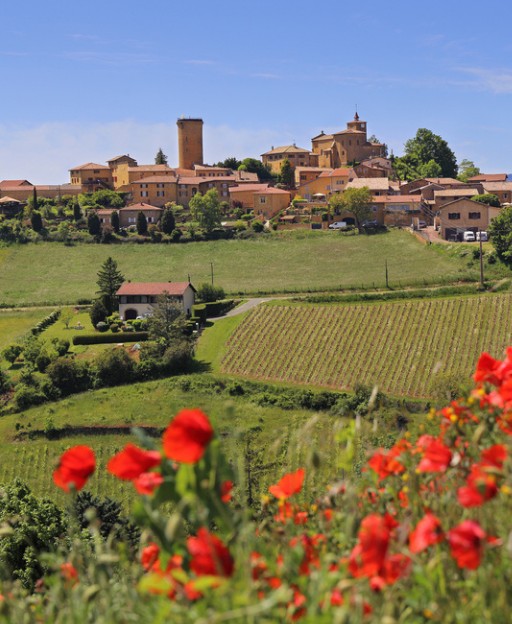
Why the Champagne Region France Is Worth a Dedicated Trip
Most visitors zip through on a day trip from Paris. That is a mistake. The Champagne region rewards those who slow down. You need time to walk vine rows in the morning light, to descend into chalk cellars beneath a great champagne house, and to eat well at a regional restaurant at lunch.
Reims alone takes a full day if you do it properly. Épernay needs another half day. Add the wine route and you have a natural two-to-three-day itinerary. If you are travelling France from east to west — or looping between Paris and Alsace — the Champagne region sits perfectly on the route and deserves proper time.
Reims: Start With the Cathedral
Reims is the capital of the Marne department and the largest city in the Champagne region. Most people visit for one thing: the cathedral. But the city has more to offer than its most famous building.
Notre-Dame de Reims
The cathedral at Reims is one of the finest examples of Gothic architecture in Europe. Construction began in 1211 and took roughly a century to complete. For centuries, it was the place where French kings were crowned — more than 30 coronations in total, including Charles VII, who was accompanied by Joan of Arc in 1429.
Stand back and look at the west facade first. There are over 2,000 sculpted figures carved into the stone, and the detail is extraordinary even from a distance. Inside, the height of the nave does what great cathedrals do: it shifts your perspective immediately.
The cathedral is free to enter. The towers require a separate ticket and a long climb, but the views across the city are worth it on a clear day.
For more on the history behind Champagne’s iconic bottles, read our piece on why every bottle of champagne spends years in the dark.
The Champagne Houses of Reims
Several major champagne producers are based in Reims. Taittinger, Veuve Clicquot, Pommery and Ruinart all have cellars carved into the chalk beneath the city, and most offer tours in English that finish with a tasting.
Book ahead — particularly for Taittinger and Veuve Clicquot, which fill up quickly in summer. Tours typically take 60 to 90 minutes and cost between €20 and €50 depending on the house and the tasting included.
Ruinart is the oldest champagne house in existence, founded in 1729. Their ancient chalk galleries — known as crayères — are listed as part of a UNESCO World Heritage Site. It is a remarkable underground space, even before you open the first bottle.
Épernay: The Capital of Champagne
Épernay is a smaller, quieter city than Reims, and it has one street that makes the entire trip worthwhile.
Avenue de Champagne
The Avenue de Champagne runs for about two kilometres through the centre of Épernay. On either side, the great champagne houses line the road like a parade of understated grandeur: Moët & Chandon, Perrier-Jouët, Pol Roger, Mercier.
Beneath the pavement, those same houses store an estimated 200 million bottles of champagne in chalk tunnels. You are walking above one of the most valuable stretches of underground real estate in the world.
Stop at the tourism office at the start of the avenue for a map showing which houses are open for visits. Some require reservations; others welcome walk-ins. Moët & Chandon is the most famous and the easiest to book. Mercier offers a tourist train through its cellars, which is popular with families.
Champagne House Tours in Épernay
Most champagne house tours follow a similar pattern: a history of the house, a walk through the chalk cellars, and a tasting at the end. The tasting is where they differ. Some houses pour one standard cuvée. Others offer comparative tastings of blanc de blancs against blanc de noirs. If you are serious about champagne, ask about premium tasting options when you book.
One practical note: Épernay is very quiet on Mondays. Several smaller houses close entirely. Plan your visit for Tuesday to Saturday if you want full access.
The Champagne Wine Route
Enjoying this guide? Get France’s hidden gems in your inbox every week — it’s free →
Thinking about it seriously? If you’ve started actually planning a move, our complete our complete Moving to France guide walks through every step, every cost, and the paperwork that catches most people out.
Between Reims and Épernay, three distinct wine routes cover the main grape-growing areas. You can drive all three in a long day, or pick one and explore at a slower pace.
Montagne de Reims
The Montagne de Reims route circles the forested plateau south of Reims. This is pinot noir country, and the villages here produce some of the most respected grapes in the region. The route passes through Verzenay, where a working lighthouse sits on a hill surrounded entirely by vines — one of the more surreal landmarks in all of France.
Côte des Blancs
South of Épernay, the Côte des Blancs is planted almost entirely with chardonnay. The villages here are quieter and less visited than those on the Montagne route. Cramant, Avize and Le Mesnil-sur-Oger are all worth stopping in. The chalk soil is closer to the surface here than anywhere else in the region, and on a clear day you can see the white of it glinting across the slopes.
For a wider look at French wine country, see our guide to the best wine regions in France.
Getting to the Champagne Region From Paris
Reims is just 45 minutes from Paris Gare de l’Est on the TGV. It is one of the easiest long-distance trips from the capital — faster than many cross-city journeys.
Épernay takes about 1 hour 20 minutes by train from Paris Est, changing at Reims or Châlons-en-Champagne depending on the service.
By car, Reims is roughly 1.5 hours from Paris on the A4 autoroute. The A4 also connects eastward toward Strasbourg and Alsace, making this a natural stop on a longer road trip. For tips on driving and using public transport across France, see our guide to getting around France.
If you plan to explore the wine route in any depth, a car is strongly recommended. Villages like Verzenay and Le Mesnil-sur-Oger are very difficult to reach by public transport.
Best Time to Visit the Champagne Region
Spring and autumn are the best seasons. April to June brings clear skies and bright green vines. September and October are harvest season — the most exciting time to be here, when the smell of freshly pressed grapes hangs in the air and the roads fill with tractor-loads of freshly picked fruit.
Summer (July and August) is busy, particularly in Épernay. Book champagne house tours well in advance during these months.
Winter is cold and quiet, but the Christmas market in Reims is one of the finest in France. The cathedral at night in December, lit from below, is a genuinely moving sight.
For a full breakdown of France’s seasons and when to travel, see our best time to visit France guide.
Where to Stay in the Champagne Region
Reims has the widest choice of accommodation. The city centre has good mid-range hotels within walking distance of both the cathedral and the champagne houses. For something more memorable, Domaine Les Crayères is a grand hotel set in a 19th-century château with private parkland — it is expensive, but consistently ranked among the finest hotels in France.
Épernay has several well-regarded hotels on or near the Avenue de Champagne. Staying in Épernay rather than Reims puts you right in the heart of wine country and makes early-morning or late-afternoon walks along the avenue easy.
Rural chambre d’hôtes (B&Bs) along the wine routes are an excellent option if you have a car. Waking up surrounded by vines and eating breakfast with a family who has farmed the same land for generations is an experience that no city hotel can replicate.
Quick Tips Before You Go
- Book champagne house tours ahead of time, especially in summer
- Carry some cash in small villages — not everywhere accepts cards
- Champagne is served as an aperitif here, not just for celebrations
- Driving the wine route after tastings is not an option — consider a guided tour or designate a driver
- Most smaller champagne houses close on Sundays in winter
- Bring a light layer even in summer — the chalk hillsides can be breezy
You Might Also Enjoy
- Why Every Bottle of Champagne Spends Years in the Dark — The fascinating story of how champagne is made, from grape to glass
- The Best Wine Regions in France to Visit — Where to go beyond Champagne, from Burgundy to Bordeaux
- How to Get Around France: Train, Car and Tips — Essential advice for planning your journey
Plan Your France Trip
Ready to plan your visit to France? Our France planning hub has everything you need — from visa tips and transport guides to the best itineraries for first-time visitors and those coming back for more.
Join 7,000+ France Lovers
Three times a week, get France’s hidden gems, local recipes, and travel inspiration — the kind you won’t find in any guidebook.
Subscribe free — enter your email:
Free forever · Unsubscribe anytime
🇫🇷 You Might Also Love
Tours & experiences you might love


Powered by Viator. Some links are affiliate links — we may earn a small commission at no extra cost to you.

Leave a Reply