
Step off the bridge onto Île de Ré on a summer morning and the first thing that might stop you is a small grey donkey wearing what appears to be striped trousers. You haven’t imagined it. This is a real tradition, older than the island’s tourist season, and it tells you almost everything you need to know about this quietly extraordinary place.
Île de Ré sits in the Atlantic off the coast of La Rochelle in western France. It’s long and slender — roughly 30 kilometres end to end — with salt marshes on one side, sand dunes and oyster beds on the other, and a string of white-walled villages along its length. For decades, it was known almost exclusively to the French. There were no package holidays here, no cruise ship ports of call. You arrived by ferry — and after 1988, across a toll bridge — and the families who returned every summer preferred it that way.
Why the Donkeys Wear Trousers
The island’s ânons — small Poitevin donkeys — worked these flatlands for centuries, carrying panniers of salt from the marshes and pulling carts through the vineyards. The problem, in high summer, was flies. In the heat, flies would torment their legs without mercy.
The solution was a pair of cloth trousers — called culottes in French — cut to fit each donkey and sewn in the striped fabric traditional to the Charente-Maritime region. The stripes deter flies, the donkeys stay calm, and visitors have been charmed by the sight ever since.
Today you’ll still find dressed donkeys at farms around the island. They’ve become an unofficial symbol of Île de Ré — practical, a little absurd, and utterly impossible to forget.
Villages That Look Like Nowhere Else
The architecture of Île de Ré is distinctive enough to have its own name: maison réaise. White lime-washed walls. Shutters painted sea-green or storm grey. Hollyhocks growing wild against every doorway from June to September. The streets are narrow enough that two bicycles can barely pass each other, which suits the island perfectly.
Saint-Martin-de-Ré is the main town — a fortified port with 17th-century ramparts designed by the military architect Vauban. UNESCO has listed these fortifications as a World Heritage Site. You can walk the full circuit of the walls in under an hour, with the harbour below you on one side and the open Atlantic on the other.
Enjoying this? 7,000 France lovers get stories like this every week. Subscribe free →
Salt, Marshes and the Work of Centuries
The eastern side of the island is given over to salt marshes — the marais salants. Paludiers, salt harvesters, work the shallow pans using methods unchanged for centuries, raking by hand and collecting the prized fleur de sel that forms on the water’s surface in warm weather.
Buy the salt at any of the island’s markets or direct from producers at the edge of the marshes. It tastes cleaner and more mineral than anything from a supermarket shelf. Locals use it on everything — butter, fish, even chocolate.
The marshes also draw herons, egrets, and avocets. In the right light at dawn or dusk they turn the colour of old copper. It’s worth getting up early for.
France’s Favourite Cycling Island
There are no hills on Île de Ré. No gradients to speak of — just flat salt air and a near-complete network of cycling paths stretching around 100 kilometres. The French have turned this into a ritual: arrive, hire bikes, and spend a week pedalling from village to village, stopping for oysters and a glass of Pineau des Charentes — the sweet local aperitif — at a harbour table.
Cycling here isn’t a sport. It’s a way of moving at the pace the island requires — slowly, with nowhere else to be. Families do it. Older couples do it. There’s a reason the hire shops have queues by 9am in July.
If you’re planning a trip to this corner of France, the France trip planning guide is the best place to start. For a deeper look at how the Atlantic coast has shaped its people, the story of France’s ancient salt farmers puts Île de Ré in a much wider context.
When to Visit
The island is busiest in July and August, when French families fill every rental house and the harbours stay lit until midnight. If you want the quieter version — more village, less queue — come in May, June, or September. The light in early autumn across the salt marshes is extraordinary, and the oysters are at their best from September onwards.
The toll bridge from La Rochelle crosses in about ten minutes. La Rochelle itself is worth an overnight stop — one of the finest old ports in France, with some very good tables.
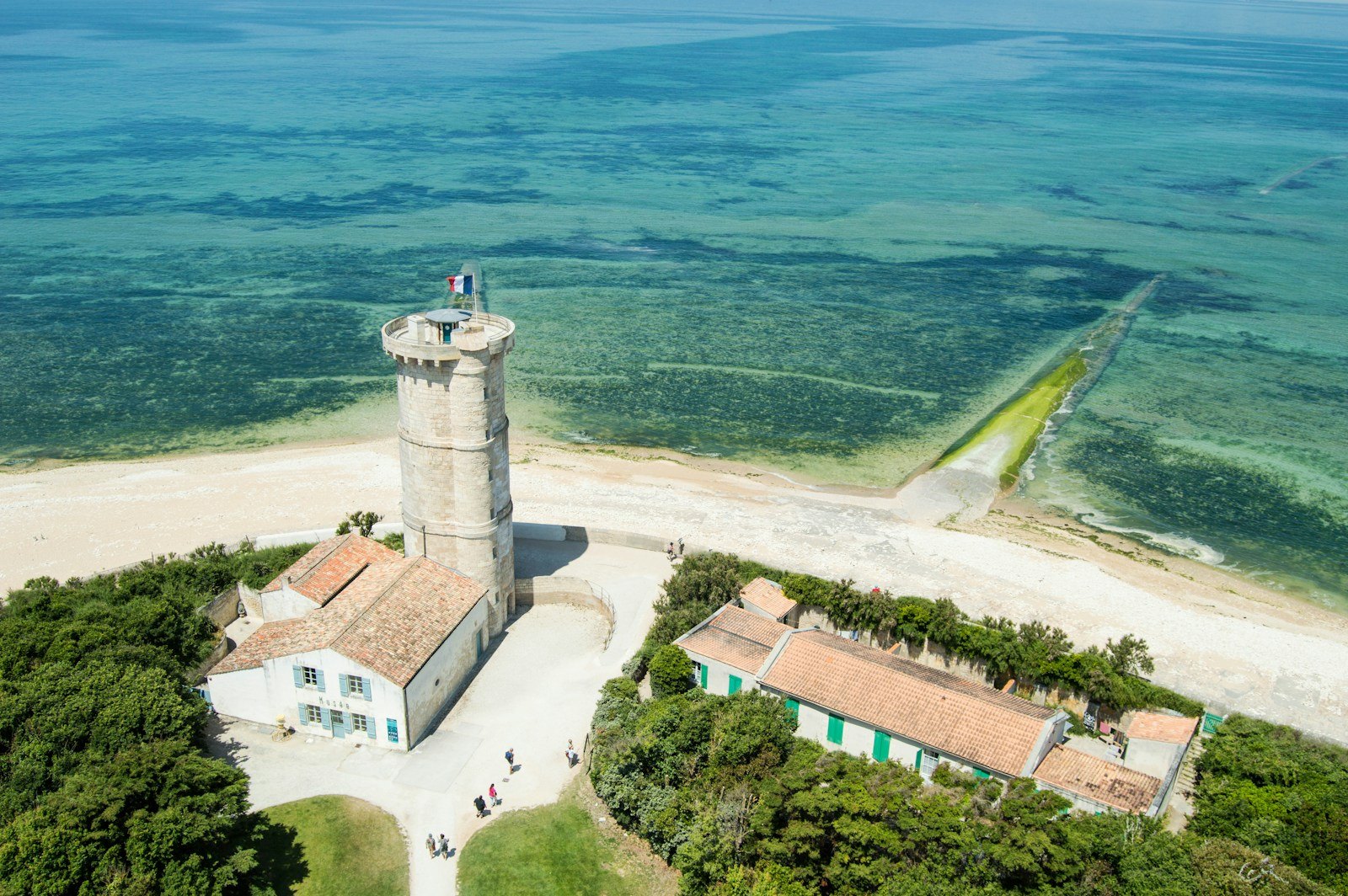
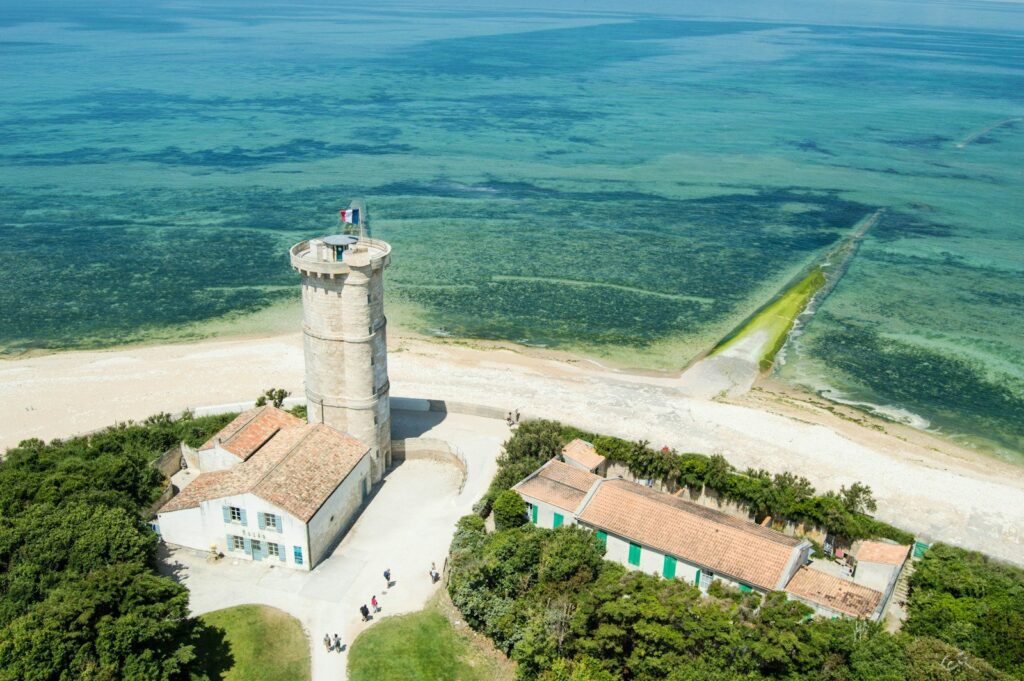
At the far western tip stands the Phare des Baleines — the Whale Lighthouse — named for the creatures that once stranded on the shallows here. Climb the 257 steps and the whole island spreads out below: salt marshes, white villages, dunes, and the Atlantic going on forever. Stand there long enough and you’ll understand, quite clearly, why the French kept this place to themselves for so long.
Join 7,000+ France Lovers
Three times a week, get France’s hidden gems, seasonal guides, local stories, and the art of la vie française — straight to your inbox.
Subscribe free — enter your email:
Free forever · Unsubscribe anytime
🇫🇷 You Might Also Love
Tours & experiences you might love


Powered by Viator. Some links are affiliate links — we may earn a small commission at no extra cost to you.

Leave a Reply