Before the baguette became the symbol of France, there was another loaf. Heavier, rounder, and darker, it came from the countryside rather than the city — and it is still being made today in much the same way it always has been.
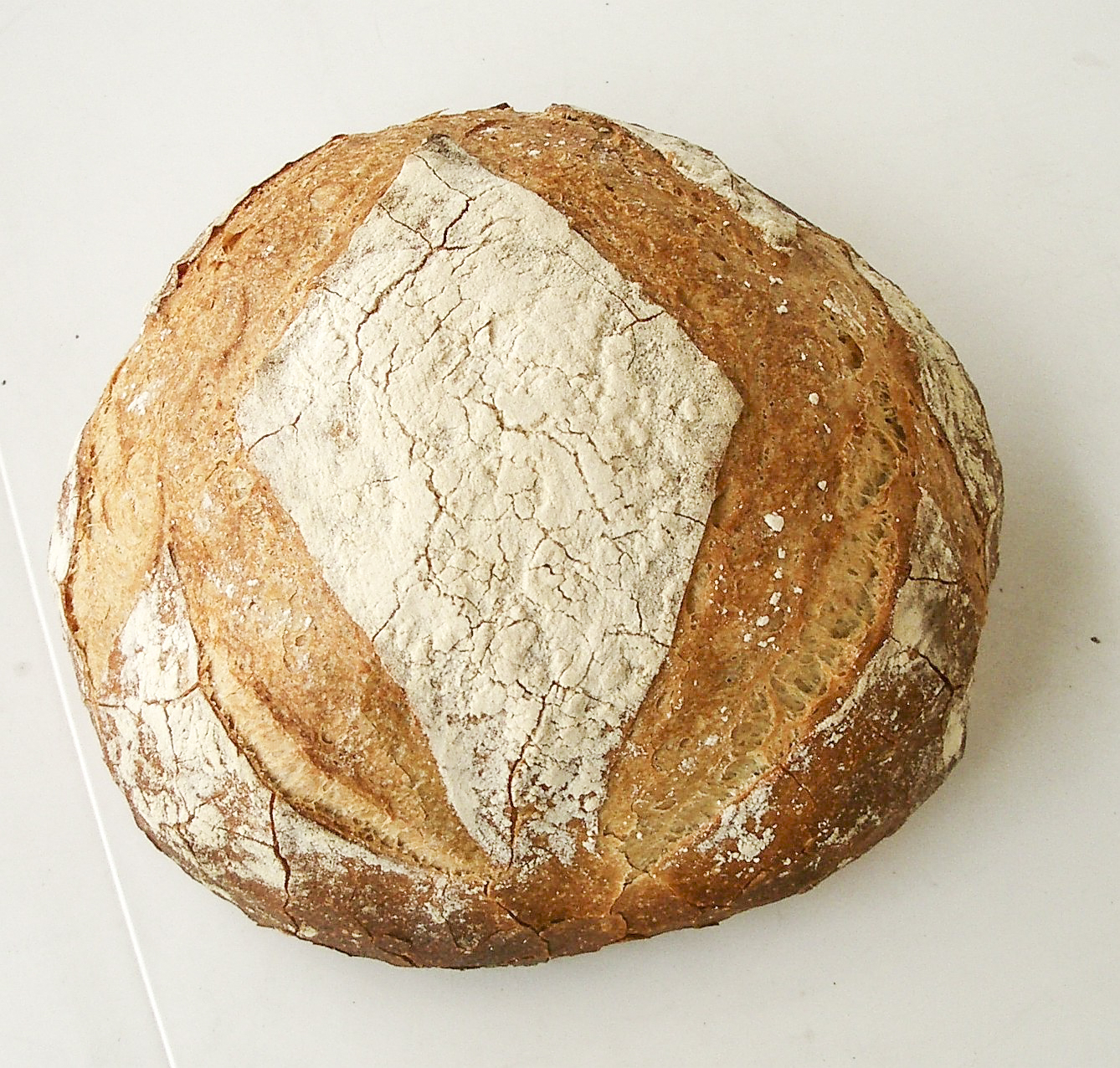
It is called pain de campagne — country bread. And the story of how it is made, and why it matters, says a great deal about the French relationship with food.
A Loaf Born of Necessity
For most of French history, bread was not a luxury. It was the meal. Rural families in Normandy, the Auvergne, Burgundy, and Provence baked once a week — sometimes once a fortnight — in communal stone ovens shared between households.
The loaves had to last. That meant large rounds of mixed-grain dough, leavened slowly with a levain — a live sourdough starter passed down through families — and baked until the crust was hard enough to survive days wrapped in a linen cloth in a stone larder.
The result was a bread unlike anything a city baker was producing. Dense but not heavy. Sour but not sharp. Chewy in a way that felt satisfying rather than difficult. A loaf that tasted different on the first day than on the third — and was arguably better by the fourth.
What Makes It Different From a Baguette
The baguette is a product of urban life. Its thin shape bakes quickly, which suited city bakers who needed to produce hundreds of loaves a morning. It is best eaten the day it is made — ideally within hours. Crisp on the outside, soft within, it is a bread of immediacy.
Pain de campagne works on a different logic entirely. The dough is mixed slowly, often with a blend of white and wholegrain or rye flour. The levain starter, rather than commercial yeast, drives fermentation over many hours — sometimes overnight. This slow rise develops a depth of flavour that fast-rise bread simply cannot replicate.
The crust is thick and crackles when you break it. The crumb has an open, irregular structure — holes of varying sizes, slightly chewy, with a mild sourness that lingers pleasantly. It toasts beautifully. It holds butter without collapse. It does not go stale so much as it slowly changes character.
If you want to understand what to order alongside it, the guide to ordering in a French boulangerie is an excellent place to start.
The Levain — A Living Ingredient
At the heart of every pain de campagne is the levain. This is not a packet of dried yeast from a supermarket shelf. It is a living culture of wild yeasts and bacteria, fed regularly with flour and water, kept alive sometimes for decades.
In the best artisan boulangeries, the starter has a history. Some bakers point to starters that have been in continuous use for generations — not because they are magical, but because a well-maintained levain develops a stable community of microorganisms that gives the bread its particular flavour profile.
The flavour depends on where the starter lives. The wild yeasts in a Breton bakery are different from those in a Provencal one. The water, the flour, the temperature of the kitchen — all of it shapes the bread that results. This is why a pain de campagne from one region can taste noticeably different from another, even when made to the same recipe.
Enjoying this? 7,000 France lovers get stories like this every week. Subscribe free →
Why It Almost Disappeared
The postwar decades were not kind to traditional bread in France. Industrial bakeries flooded the market with cheaper, faster alternatives. Pre-mixed doughs arrived. Frozen part-baked loaves followed. The communal village oven had already disappeared; now the skill required to maintain a levain and bake a proper country loaf was disappearing too.
By the 1970s, the pain de campagne sold in most shops was barely recognisable — soft, pale, slightly sweet, made with commercial yeast and none of the long fermentation that gave the original its character. It had the name without the substance.
The revival came slowly, driven partly by a generation of young bakers trained in traditional methods, and partly by French consumers who began to notice what they had been missing. The boulanger artisan movement — which eventually produced legal protections for the word boulangerie — brought slow fermentation back into conversation.
How to Find a Real One When You Visit
The best pain de campagne is found in boulangeries that display the words levain naturel or fermentation longue. These indicate that the baker is working with a live starter and slow fermentation rather than fast commercial yeast.
Look for a round or oval loaf — sometimes called a boule or a miche — with a dark, flour-dusted crust and score marks across the top. When you tap the base, it should sound hollow. The crumb, when you break it open, should have irregular holes and a slightly off-white colour rather than the brilliant white of industrial bread.
French markets are an excellent place to find artisan bakers selling directly. A good place to start planning is the guide to finding French markets and what to buy.
A Bread That Asks You to Slow Down
There is something instructive in the way pain de campagne is made and eaten. It cannot be rushed. The levain needs time. The dough needs time. Even the loaf itself rewards patience — it slices better on the second day than the first.
That slower rhythm is not incidental. It is the point. France’s food culture has always been built on the idea that some things cannot be sped up without losing what makes them worthwhile. A long lunch. An unhurried cheese course. A bread that takes twenty-four hours to make and a week to finish.
When you sit down in a French farmhouse kitchen with a thick slice of pain de campagne, a piece of aged Comte, and a glass of Beaujolais, you are not just eating. You are participating in something that has been happening in roughly the same way for centuries. And there is real comfort in that.
If you are planning a trip to France and want to build your itinerary around food, culture, and the things that make France feel genuinely French, the France travel planning guide is the best place to begin.
Join 7,000+ France Lovers
Three times a week, get France’s hidden gems, seasonal guides, local stories, and the art of la vie française — straight to your inbox.
Subscribe free — enter your email:
Free forever · Unsubscribe anytime
🇫🇷 You Might Also Love
Tours & experiences you might love


Powered by Viator. Some links are affiliate links — we may earn a small commission at no extra cost to you.

Leave a Reply