
France produces more than 1,200 types of cheese. From runny Camembert to crumbling Roquefort, each one tells a story of a region, a season, and a people. No visit to France feels complete without exploring this extraordinary world. This guide walks you through the basics — what the main families are, which cheeses to try first, and how the French actually eat them.
Why France Is the World Capital of Cheese
Charles de Gaulle once asked, half in jest: “How can anyone govern a country that has 246 different kinds of cheese?” He was underestimating. Today, France recognises more than 1,200 varieties.
This richness comes from France’s extraordinary geography. The country spans alpine meadows, Atlantic coastlines, volcanic plateaus, and Mediterranean hillsides. Each landscape produces milk with a different character. Generations of farmers and cheesemakers have turned that milk into something quite unlike anything else on earth.
The French take cheese seriously. Since 1955, France has used Appellation d’Origine Contrôlée (AOC) — and later the European AOP designation — to protect its most important cheeses. These labels guarantee that a cheese comes from a specific region, produced in a specific way, from specific breeds of animal. A Comté is only a Comté if it comes from the Jura mountains and follows strict production rules. A Roquefort must age in the caves of Roquefort-sur-Soulzon, where the limestone naturally hosts the Penicillium roqueforti mould.
This system preserves traditions stretching back centuries. It also means that French cheese tastes genuinely different from imitations found elsewhere in the world. The same name, a different place — and you have a different product entirely.
If you love food and travel, French cheese is one of the best reasons to plan a trip. Our guide to planning your trip to France covers how to structure an itinerary around the things that matter most.
🇫🇷 Free: The Perfect Provence & South of France Road Trip
A free 10-day itinerary covering Avignon, the Luberon villages, Marseille, Cassis, Aix-en-Provence, and the Camargue — ideal for discovering the real South of France, including its cheese and food culture.
Get the Free Itinerary →The Six Families of French Cheese
French cheeses fall into six broad categories. Understanding these makes every fromagerie visit far easier — you can walk in and know what you are looking for.
Fresh cheeses (fromages frais). Soft, mild, and young. These cheeses have not been aged. Fromage blanc is the simplest — a smooth, creamy curd eaten for breakfast or with honey. Chèvre frais is a young goat’s cheese, tangy and bright. Both are staples of the French table.
Soft-ripened cheeses (pâte molle à croûte fleurie). These are the bloomy-rind cheeses — white, powdery on the outside and creamy within. Brie de Meaux and Camembert de Normandie lead this family. At their peak, they almost melt onto the plate. The white rind is edible and adds a mild, mushroomy flavour.
Washed-rind cheeses (pâte molle à croûte lavée). The most pungent family. Monks developed many of these, washing the rinds in brine, beer, or wine to create a sticky orange or reddish exterior. Munster from Alsace, Époisses from Burgundy, and Livarot from Normandy all belong here. Do not be put off by the smell. The flavour is far gentler than the aroma suggests.
Blue cheeses (fromages persillés). Veined with blue or green mould, these are bold and complex. Roquefort is the oldest and most famous — crumbly, salty, and unmistakable. Bleu d’Auvergne and Fourme d’Ambert offer milder, creamier alternatives from the volcanic heartland of the Massif Central, a region you can read more about in our article on Auvergne’s heritage and history.
Semi-hard cheeses (pâte pressée non cuite). Firm but yielding, these cheeses hold their shape when sliced. Reblochon from Savoie, Cantal from Auvergne, and Tomme de Savoie all fall here. They are the workhorse cheeses of French cooking — melted into tartiflette, sliced onto charcuterie boards, or simply eaten with good bread.
Hard aged cheeses (pâte pressée cuite). These are the giants — pressed, cooked, and aged for months or years. Comté from the Jura, Beaufort from the Alps, and Emmental de Savoie all belong here. They develop extraordinary depth with age — nutty, crystalline, and sweet.
🇫🇷 Enjoying this? 7,000 France lovers get stories like this every week. Subscribe free →
The Most Famous French Cheeses and Where to Find Them
Brie de Meaux comes from the flat farmland east of Paris, in the Île-de-France. Records mention it as far back as the 8th century. At its best, it runs across the plate. At its worst — cold and underripe — it becomes rubbery and tasteless. Temperature is everything with Brie.
Camembert de Normandie comes from the heart of Normandy, a land of apple orchards, hedgerows, and heavy cream. The milk of Normande cows, grazed on rich grass, gives Camembert its distinctive buttery richness. Real Normandy Camembert must come from raw milk and follow traditional hand-ladling techniques. Factory versions use pasteurised milk and taste noticeably different.
Roquefort is the king of blue cheeses. It ages in the natural caves of the Combalou mountains near the village of Roquefort-sur-Soulzon in Aveyron. The limestone caves maintain a constant temperature and humidity year-round. Roquefort uses ewes’ milk, which gives it a particular richness and depth. You can tour the caves — it is one of the great food experiences in France.
Comté may be France’s most versatile cheese. It comes from the Jura, near the Swiss border, and ages for anywhere from 4 to 24 months. Young Comté is nutty and mild. Old Comté is intense, with tiny salt crystals and a dry, almost crumbly texture. Both are extraordinary.
Époisses from Burgundy is the most pungent cheese on this list. Producers wash it in marc de Bourgogne — a local spirit distilled from grape pomace — and age it for several weeks. The result is a sticky, orange-rinded cheese that smells powerful and tastes even better. Napoleon reportedly loved it. It arrived at his table packed in hay to survive the journey.
Reblochon from Haute-Savoie is smooth, mild, and slightly nutty. It is the star of tartiflette — that glorious Alpine dish of potatoes, lardons, and melted cheese. If you visit the French Alps in winter, you will eat tartiflette. You will not regret it.
How the French Actually Eat Cheese
Here is something most visitors do not know: the French eat cheese after the main course and before dessert. Not as a starter. Not alongside the main. After it.
This sequence matters. The cheese course gives the table time to breathe after the main dish. It extends the meal, deepens the conversation, and transitions gracefully toward dessert. Dinner guests who skip the cheese course to save room for pudding miss one of the great pleasures of the French table.
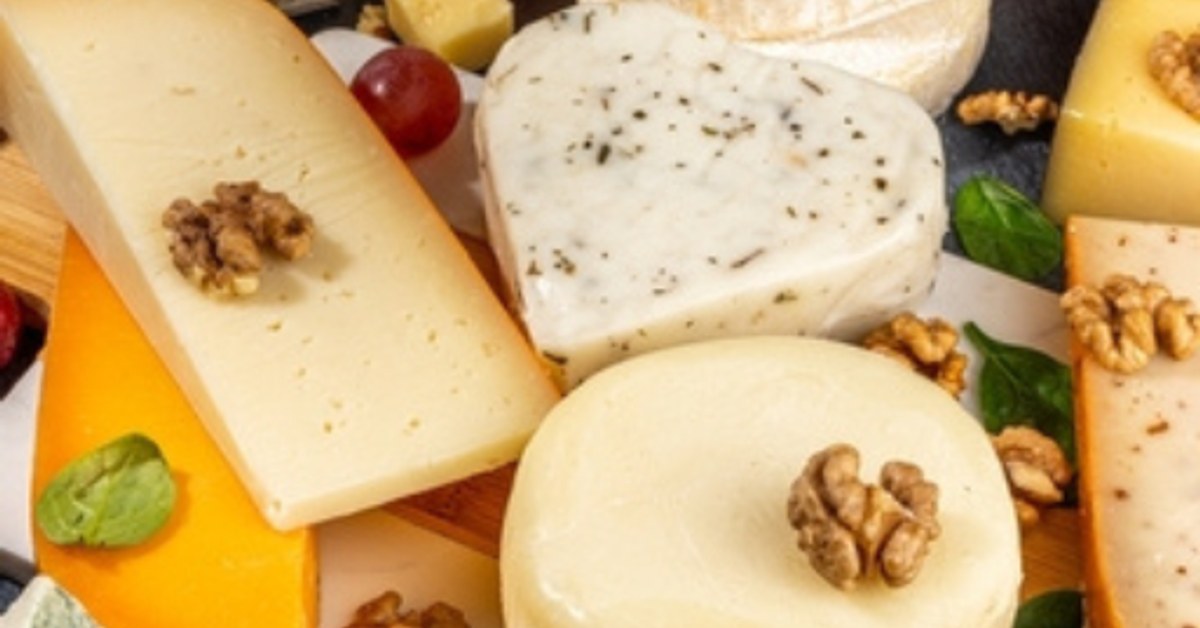
A proper cheese board — a plateau de fromages — offers three to five cheeses from different families. One soft, one semi-hard, and one blue is the classic trio. Add a fresh chèvre in summer or an aged Comté in winter, and you have a proper plateau. The variety matters. Each cheese brings a different texture, temperature, and flavour.
The French also follow rules about temperature. They take cheese out of the fridge at least an hour before serving. Cold cheese has almost no flavour. It needs time to warm and breathe before it gives its best. This simple habit makes an enormous difference.
There is also an etiquette of cutting. Never cut the nose off a wedge of Brie or Camembert. The pointed end is the most flavourful part, and slicing it takes that from everyone else at the table. Cut from edge to nose, keeping the tip intact. For a round cheese like Époisses, cut it like a clock — equal segments from the centre outward.
Pair cheese with bread, not crackers. A baguette works well with soft cheeses. Walnut bread pairs beautifully with blue cheeses. And wine — red wine with strong cheese is traditional, but many sommeliers today prefer white. A glass of Sauternes with Roquefort is one of the great food pairings in France. For more on French food culture, our piece on the art of the French apéritif explores how the French approach the whole ritual of eating and drinking.
Where to Buy Cheese in France
Avoid supermarkets for anything important. The cheeses in plastic wrap under fluorescent lights are a pale shadow of the real thing. Even in France, supermarket cheese is a compromise.
Seek out a fromagerie — a specialist cheese shop. France has thousands of them. A good fromager knows every cheese they stock, can name the farm it came from, and will tell you exactly when each piece will be at its best. They cut to order, wrap in paper that lets the cheese breathe, and send you out with something worth eating.
Tell the fromager when you plan to eat the cheese. If it is tonight, you need something ripe. If it is in three days, ask for a younger piece that will continue ripening in your bag. They will know precisely what to give you.
French markets are also excellent. As we explored in our piece on why every French town has a market, the weekly market in almost every town has at least one cheese stall. Buy small, buy often, and eat everything at room temperature. The boulangerie next door will have your bread — and as we wrote in our piece on why the French baguette is sacred, the combination of great bread and great cheese is one of the simplest pleasures in France.
Taking French Cheese Home
You can legally bring French cheese into most countries, but rules vary. The United States allows most aged and hard cheeses. Soft fresh cheeses and those made with raw milk face stricter restrictions. Check your country’s customs rules before you shop.
Pack cheese in paper — never plastic — and keep it as cool as possible during your journey. Buy your cheese on the last day of your trip if you have a long flight home. A well-chosen piece of Comté or a small Époisses will survive the journey better than a soft Camembert.
If you want to build a whole trip around French food and cheese culture, our guide on how to plan a French heritage trip walks through the process of building an itinerary that goes beyond the tourist trail.
Frequently Asked Questions About French Cheese
What is the most famous French cheese?
Camembert de Normandie and Brie de Meaux are the two most recognised French cheeses worldwide. Roquefort holds the title of most famous blue cheese. Comté leads all AOP cheeses in production volume — more tonnes are produced each year than any other French appellation cheese.
Why does French cheese taste different from cheese at home?
Most French AOP cheeses use raw milk, which carries more complexity than pasteurised milk. The specific grasses, herbs, and climate of each region also shape the milk’s character — what the French call terroir. Add traditional ageing methods and multi-generational expertise, and the difference becomes clear very quickly.
How do I know when a French cheese is ripe?
For soft cheeses like Brie and Camembert, press gently on the centre. It should yield slightly, feeling like the pad of your thumb. A rock-hard Brie is underripe. A Brie that smells strongly of ammonia is past its best. Washed-rind cheeses should feel sticky but not wet. Blue cheeses should be moist but not running. When in doubt, ask the fromager — that is what they are there for.
What wine goes best with French cheese?
It depends on the cheese. Sancerre or Pouilly-Fumé pair beautifully with fresh goat’s cheese. A Burgundy red works well with Époisses. Sauternes is the classic partner for Roquefort — the sweetness cuts the salt perfectly. For a mixed cheese board, a dry white wine from the same region as your strongest cheese is usually the safest choice.
Where in France can I visit cheese producers?
The Roquefort-sur-Soulzon caves in Aveyron offer guided tours and tastings. Normandy has several farm producers who welcome visitors — look for signs saying vente directe à la ferme (direct farm sales). The Jura region has fromageries that age Comté in their own caves. The Savoie valley towns near Annecy and Albertville sell Reblochon direct from producers. Wherever you go in France, the local tourist office will know who produces cheese nearby.
You Might Also Enjoy
• The Art of the French Apéritif: How France Drinks Before Dinner
• The French Boulangerie: Why the Baguette is Sacred
• Why French People Live Longer: The Secrets of the French Diet
Plan Your France Trip
Ready to experience French cheese in person? Our complete France travel planning guide covers everything from how to build an itinerary to where to stay and how to get around. Start there and build your trip around the regions — and the fromagers — that call to you most.
Join 7,000+ France Lovers
Every week, get France’s hidden gems, seasonal guides, local stories, and the art of la vie française — straight to your inbox.
Subscribe free — enter your email:
Love more? Join 64,000 Ireland lovers → · Join 43,000 Scotland lovers → · Join 30,000 Italy lovers →
Free forever · One email per week · Unsubscribe anytime
Tours & experiences you might love


Powered by Viator. Some links are affiliate links — we may earn a small commission at no extra cost to you.

Leave a Reply