Somewhere in France right now, a farmer is setting up his stall before sunrise. He loaded the van with crates of tomatoes still warm from the vine. He will drive through dark roads to reach the same spot his grandfather sold at, and his grandfather before him. This is the French market — the marché — and it is unlike any shopping experience you have ever had.
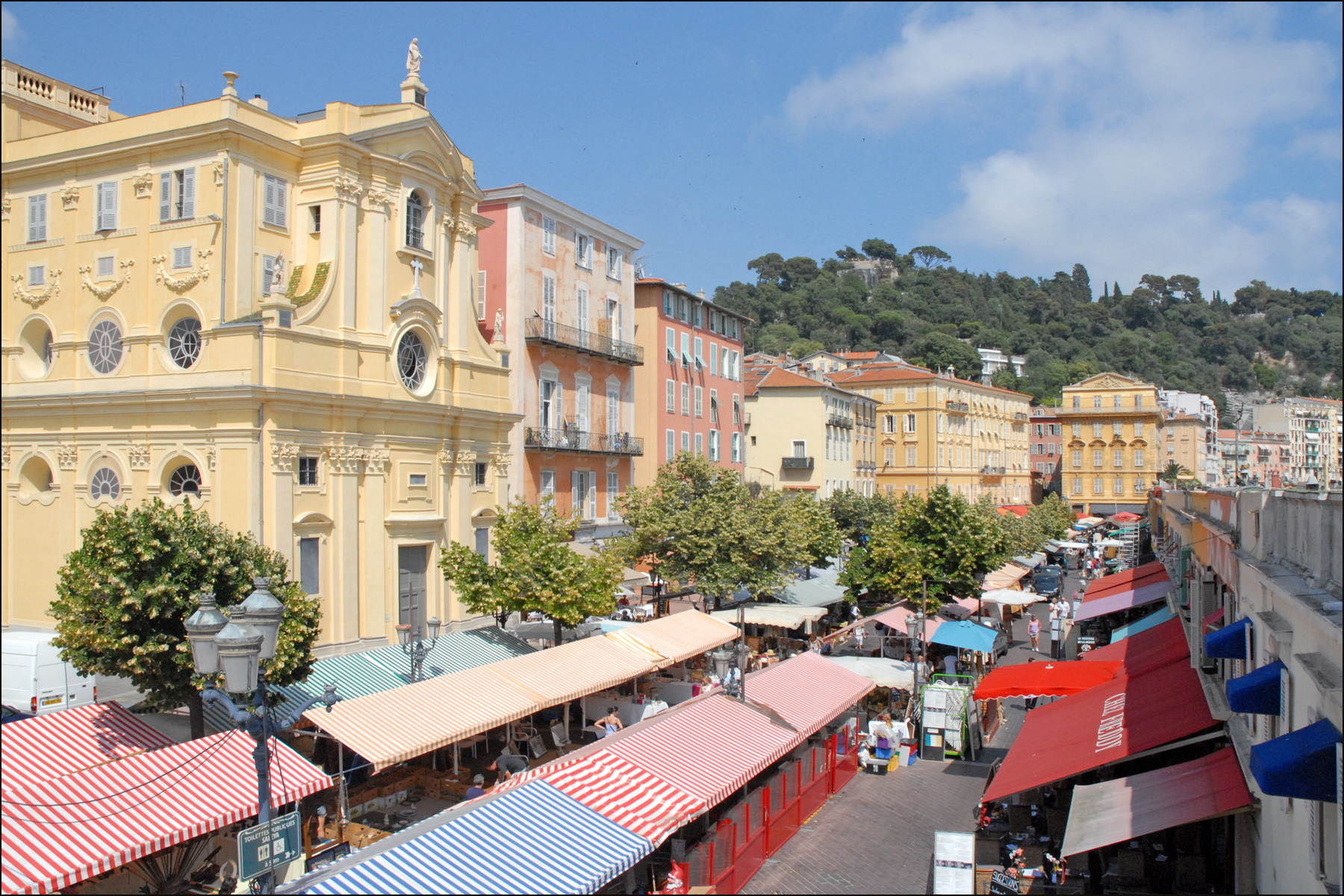
Every French town has one. Some have three or four. Large cities hold markets every day of the week. In smaller villages, it happens once a week, and the whole community organises around it. For the French, the market is not an errand. It is a ritual that defines how they live.
A Tradition That Goes Back Centuries
French markets did not appear by accident. They have existed for over a thousand years. In medieval France, local lords granted market charters to towns. These charters gave settlements the legal right to hold a weekly trading day. That turned modest crossroads into economic centres. Many French towns grew up around their marché.
Today, more than 10,000 outdoor markets take place across France every week. The Fédération Nationale des Marchés de France oversees market trading to this day. That name sounds formal. The markets themselves are anything but.
Each marché carries the character of its region. A market in Provence looks and smells nothing like one in Alsace. The stalls, the food, the voices, the light — everything tells you where you are. That regional character is something France protects with enormous pride.
What You Will Find at a French Market
The first thing you notice is the smell. Fresh bread from a boulangerie van. Ripe cheese that exists somewhere beyond polite description. Lavender bundles if you are in the south. Brined olives glistening in small tubs.
Then come the colours. France’s markets are vivid. Aubergines stacked in dark purple towers. Pale green courgettes beside orange melons. Strings of garlic hanging from wooden frames. Bundles of herbs with rough string around them.
A French market typically includes:
- Fresh fruit and vegetables — grown locally, often sold by the growers themselves.
- Cheese vendors — with anything from six to sixty varieties on display.
- Charcuterie — cured meats, terrines, and pâtés sliced fresh to order.
- Bread and pastries — not just baguettes, but local specialities by region.
- Fish and seafood — especially in coastal towns and river cities.
- Flowers — sold in armfuls by growers who know every bloom.
- Clothing and household goods — most markets include a practical general section.
The food stalls are the heart of it. And the people around them are what make a market feel alive.
How to Shop at a French Market
Arriving at a French market requires a small adjustment in pace. You do not race through it. You cannot. The French market does not permit rushing.
Greet the vendor before you ask about the produce. Bonjour, Madame. Bonjour, Monsieur. This is not optional politeness — it is the entry fee. A vendor who is not greeted first may not serve you warmly, or at all. The greeting comes first, always.
Then ask questions. How are the tomatoes this week? Are these strawberries local? The vendor will answer at length. They will tell you how to cook it, what to avoid, and probably something about the weather. Let the conversation happen. This is part of the point.
Do not pick up produce without asking. Let the vendor choose for you. They know which tomatoes will be perfect today and which need another day. That is their job. They take it seriously.
Bring a bag. Bring cash, though most stalls now accept card. Arrive early for the best selection. Stay a little later for the best prices.
🇫🇷 Enjoying this? 7,000 France lovers get stories like this every week.
Thinking about it seriously? If you’ve started actually planning a move, our complete our complete Moving to France guide walks through every step, every cost, and the paperwork that catches most people out.
Why the French Market Is More Than Just Shopping
The marché is where France’s social life happens. You go to buy cheese. You stay because you run into a neighbour. Then the woman from the farm above the town. Then someone who knows someone from years ago.
This is not incidental. It is the design. French town planning has centred on the market square — the place du marché — for centuries. The market was the town’s reason for being. Even now, as supermarkets have spread across France, the weekly market holds its ground.
A 2022 survey by the Confédération des Commerçants de France found that 74% of French people visit their local market at least once a month. That figure rises sharply in rural areas. In many small towns, nearly every resident passes through on market day. Some buy nothing. They come for the conversation.
If you want to understand French life — how people relate to food, to neighbours, to place — spend a morning at a local market. It will tell you more than most guidebooks.
This same instinct shapes how the French spend Sunday and explains why they never eat at their desks. French culture insists on pleasure as part of ordinary life. The market is where that begins, every week, without fail.
The Different Types of French Market
Not every marché is the same. France has several distinct market formats, and knowing which you are looking for helps.
The weekly outdoor market (marché hebdomadaire) is the most common. It takes over the town square, a boulevard, or a car park. Stalls appear early in the morning and disappear by early afternoon. This is the standard French market most visitors encounter.
The covered market (halles) is a permanent structure. Many French towns built beautiful covered market halls in the 19th century — iron and glass buildings that still operate today. Lyon’s Halles Paul Bocuse and Bordeaux’s Marché des Capucins run daily or near-daily with permanent vendors.
The organic market (marché bio) has grown fast since the 2000s. Most French cities now have at least one, often on weekday mornings.
The Christmas market (marché de Noël) is most strongly linked to Alsace. Strasbourg’s market dates to 1570 and draws over two million visitors each December.
The brocante is a flea market full of second-hand goods, antiques, and objects with stories behind them. It is a different experience from a food market, but equally French. The brocante has its own rituals and rewards — and deserves a morning of its own.
The Best French Markets to Visit
Every region has markets worth seeking out. These stand out across France.
Aix-en-Provence holds a daily market near the Hôtel de Ville, plus a celebrated flower market on Tuesday, Thursday, and Saturday. The town’s markets have roots in the 13th century. Aix-en-Provence is one of the south’s most rewarding towns to spend time in, and the market is central to its charm.
Lyon is France’s gastronomic capital. The Halles Paul Bocuse — an indoor cathedral of French food — is its greatest single food experience. Lyon rewards a longer visit, and the covered market gives you the best reason to stay for lunch.
Périgueux, in the Dordogne, holds a Saturday market celebrated across France for its truffles in winter, foie gras year-round, and walnuts in autumn. The Dordogne is one of France’s great food regions. This market is its showcase.
Arles holds a Saturday market along the Boulevard des Lices that stretches for several city blocks. Arles was Van Gogh’s town for a year. He painted the street life here. Some of what he saw still looks familiar today.
Strasbourg’s Christmas market runs from late November through December and draws more than two million visitors. Even for those who are not Christmas market enthusiasts, the Alsatian setting transforms the experience entirely.
If you are planning your first trip to France, add a market morning to every stop. You will find the rhythm of the country in those few hours more than anywhere else.
Frequently Asked Questions About the French Market
What days do French markets take place?
Most French towns hold their main market on Saturday morning. Many also run a midweek market on Wednesday or Thursday. Cities hold markets daily. Search “[town name] marché” before you visit, or simply ask at your accommodation.
Do I need to speak French to shop at a French market?
You do not need fluent French. Basic greetings — bonjour, merci, s’il vous plaît — go a long way. Most vendors in tourist areas understand simple English. A smile and a willingness to point also work perfectly well.
What is the best time to arrive at a French market?
Arrive between 8am and 10am for the best selection and the liveliest atmosphere. Most markets wind down by noon. Some traders begin packing up by 12:30pm, especially in the summer heat.
Can I buy lunch at a French market?
Yes — and you should. Most markets include hot food vendors selling roast chicken, paella, socca (a Provençal chickpea pancake), crêpes, and other regional dishes. Eating at the market, standing up with paper napkins, is one of the great small pleasures of French travel.
Is it normal to bargain at a French market?
For fresh food, no. Prices are set and vendors expect them. At a brocante or antique market, gentle negotiation is acceptable — especially later in the day when a vendor would rather sell than carry goods home.
You Might Also Enjoy
- How the French Spend Sunday: A National Ritual.
- Why the French Stay Slim Without Following a Diet.
- Les Grandes Vacances: How the French Do Summer.
Plan Your France Trip
Ready to discover France for yourself? Our complete planning hub covers the best time to visit, where to stay, how to get around, and the experiences worth travelling for. Start planning your France trip here →
Join 7,000+ France Lovers
Every week, get France’s hidden gems, seasonal guides, local stories, and the art of la vie française — straight to your inbox.
Subscribe free — enter your email:
Love more? Join 64,000 Ireland lovers → · Join 43,000 Scotland lovers → · Join 30,000 Italy lovers →
Free forever · One email per week · Unsubscribe anytime
Tours & experiences you might love


Powered by Viator. Some links are affiliate links — we may earn a small commission at no extra cost to you.

Leave a Reply