France makes the most talked-about wine in the world. The secret is not just the grapes. It is something older and harder to copy. The French call it terroir. Learning about French wine terroir reveals why a Burgundy Pinot Noir tastes nothing like a Rhône red. It explains why French wine has never been replaced, even as the rest of the world caught up.
What Is Terroir?
Terroir is a French word. It comes from the Latin word terra, meaning earth. But it covers more than soil. It includes the climate, the angle of the hillside, and the drainage. It even includes the microbes living underground.
French winemakers believe wine should taste of its place. A wine from Chablis should taste cold and mineral. A wine from Châteauneuf-du-Pape should taste of warm red rock. The land leaves its mark on every bottle.
This idea sounds simple. In practise, it took centuries to fully understand. The story of terroir is also the story of France itself.
The Monks Who Mapped the Soil
France’s wine story starts with monks. Benedictine and Cistercian monks controlled most of France’s finest vineyards in the Middle Ages. They had time, patience, and careful records.
The monks at Clos de Vougeot in Burgundy kept detailed notes from the 12th century. They noticed that grapes from one patch of land tasted different from grapes grown twenty metres away. They drew maps and named zones.
Those maps became French wine law. Today, Clos de Vougeot is one of the most famous vineyards on earth. Its wine sells for hundreds of euros per bottle. Monastic record-keeping built this reputation over 800 years.
How Soil Shapes the Flavour
Soil affects every glass. In Chablis, white wine grows on rock full of fossilised oyster shells from a prehistoric sea. This creates a clean, almost salty taste. Wine drinkers call this mineral character goût de pierre à fusil — the taste of gunflint.
In Bordeaux, the Left Bank sits on gravel washed down by the Garonne River over thousands of years. Gravel drains quickly. Vine roots push deep in search of water. Deep roots find minerals, and minerals create complexity.
In Burgundy, thin limestone layers sit just below the topsoil. The famous grand cru plots sit on slightly different limestone than the premier cru plots next to them. The difference is tiny in distance but huge in flavour. Winemakers have tracked it for eight centuries.
Climate and the 13 French Wine Regions
France has 13 officially recognised wine regions. They span from cool Alsace in the northeast to the sun-baked vineyards of Provence in the south. The climate in each region shapes the wine entirely.
In Champagne, the grapes barely ripen before cold autumn arrives. This creates high acidity. High acidity makes the bubbles in sparkling wine work. Without Champagne’s cool climate, there would be no champagne at all.
The Rhône Valley tells a different story. The mistral wind blows from the north nearly every day. It dries the grapes naturally and prevents rot. Grenache vines planted on rounded river stones absorb heat during the day and release it at night. The result is a rich, spice-filled wine unlike anything else in France.
The Loire Valley stays cool throughout the summer. Long growing seasons keep the acidity high and the flavours fresh. Sauvignon Blanc from Sancerre tastes completely different from Sauvignon Blanc grown anywhere else. Terroir explains why.
🇫🇷 Enjoying this? 7,000 France lovers get stories like this every week. Subscribe free →
How the French Drink Wine
The French do not talk about wine the way other cultures do. They rarely mention alcohol levels or point scores. They ask about the producer, the village, and the year.
Wine in France sits on the table at most lunches and dinners. A small glass with a meal is entirely normal. For the French, this is not indulgence — it is habit and culture. It links naturally to the French approach to food, where pleasure and moderation go hand in hand.
French wine pairs naturally with French food. Alsatian Riesling cuts through rich choucroute. Muscadet from the Loire goes beside mussels. Côtes de Provence rosé suits summer vegetables and olive oil. The match is never an accident. Each regional wine grew up alongside the local food. A great French cheese and a matching regional wine together shows what terroir really means.
The wine ritual often begins before the meal. The French love the apéritif hour — a light drink shared before anyone sits down to eat. Kir, Lillet blanc, or a simple local white wine often features. It is a ritual as old as French hospitality itself.
Reading a French Wine Label
French wine labels can confuse first-time visitors. Unlike wines from Australia or the USA, they rarely name the grape variety. Instead, they name the region, the producer, and the year.
You will see the word Appellation followed by a place name. This comes from France’s Appellation d’Origine Contrôlée (AOC) system. The AOC began formally in 1936. Its rules specify which grapes can grow in each region and protect the identity of French wine by law.
A bottle labelled Bourgogne contains wine from Burgundy. A bottle labelled Margaux contains wine from a specific commune in Bordeaux. The more precise the name, the stricter the rules — and usually, the higher the quality. Learning to read French labels makes wine shopping far more rewarding.
Visiting the French Wine Regions
The best way to understand terroir is to visit. Most French wine regions welcome visitors. Many châteaux and domaines offer tastings and vineyard walks. You do not need to be an expert.
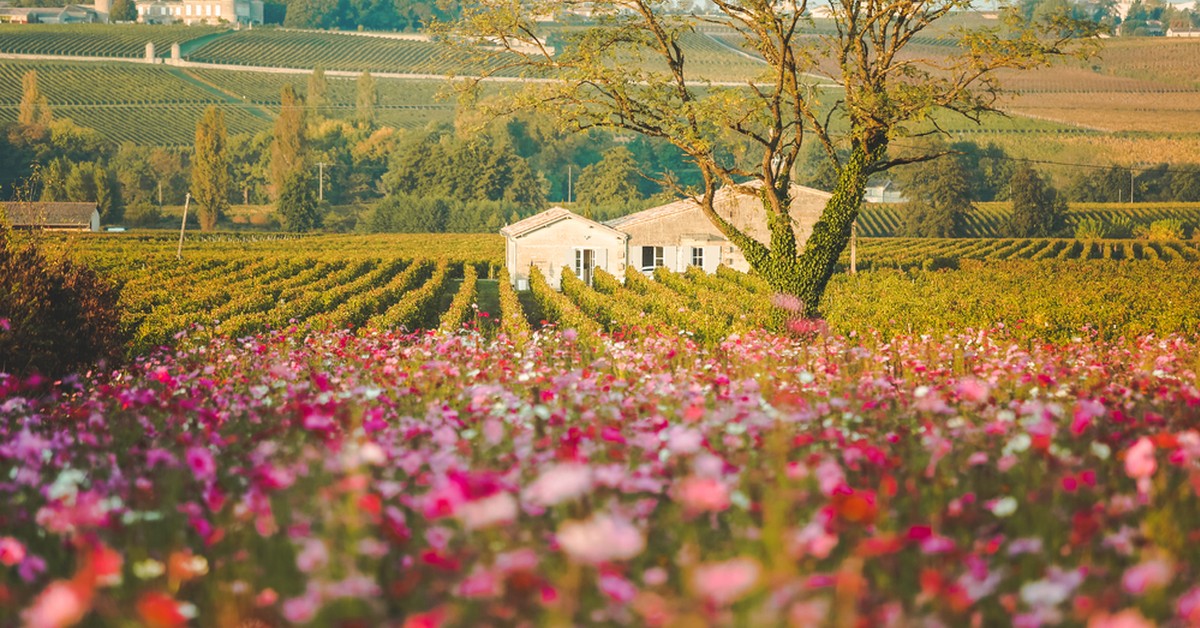
In Bordeaux, the medieval town of Saint-Émilion sits surrounded by limestone vineyards. You can taste at the cave cellars and see the rock that flavours the wine. The wine route through the Médoc passes famous names from Margaux to Pauillac.
In Burgundy, the Route des Grands Crus runs through famous villages. Stop in Gevrey-Chambertin, then Chambolle-Musigny, then Pommard. Taste the wine in each village. The differences are remarkable for grapes grown only a few kilometres apart.
The Alsace wine route runs south through a string of medieval villages. The wines here differ from anything else in France. Germanic varieties like Riesling and Gewurztraminer grow on volcanic soil. The Vosges mountains shelter the vines from Atlantic rain. The results are aromatic, precise, and deeply individual. Visiting a café in a wine village is one of France’s greatest small pleasures.
What does terroir mean in French wine?
Terroir describes the natural environment of a vineyard — its soil, climate, rainfall, drainage, and the angle of the slope. Together these factors shape the flavour of the wine in every bottle.
Which French wine region is best for first-time visitors?
The Loire Valley is an excellent starting point. Wines like Sancerre, Vouvray, and Muscadet are affordable and widely available. They make the idea of terroir easy to taste because each one is quite different from the others.
Is terroir unique to France?
Terroir exists everywhere that wine grows. But France developed the language and mapping of terroir earlier than anywhere else. Centuries of careful monastic record-keeping gave French winemakers a head start that the rest of the world still catches up to.
What is an AOC label on a French wine?
AOC stands for Appellation d’Origine Contrôlée. It is a legal stamp that confirms the wine comes from a named place and follows specific production rules. It is the backbone of French wine law and a guarantee of origin.
Can you visit French vineyards without a guided tour?
Yes. Many French wine estates welcome walk-in visitors. In Burgundy, the Loire Valley, and Alsace, you can drive the wine routes and stop at estates along the way. Calling ahead is wise, especially for smaller family producers.
You Might Also Enjoy
- The Art of the French Apéritif: How France Drinks Before Dinner — The ritual that frames every French meal
- French Cheese: A Complete Guide to France’s Most Sacred Food — The perfect companion to French wine
- Why French People Live Longer: The Secrets of the French Diet — Wine, food, and the art of pleasure without excess
Plan Your France Trip
Ready to explore France’s wine regions in person? Our complete France travel planning guide covers everything you need — from getting around to the best times to visit each region.
Join 7,000+ France Lovers
Every week, get France’s hidden gems, seasonal guides, local stories, and the art of la vie française — straight to your inbox.
Subscribe free — enter your email:
Love more? Join 64,000 Ireland lovers → · Join 43,000 Scotland lovers → · Join 30,000 Italy lovers →
Free forever · One email per week · Unsubscribe anytime
Tours & experiences you might love


Powered by Viator. Some links are affiliate links — we may earn a small commission at no extra cost to you.

Leave a Reply