
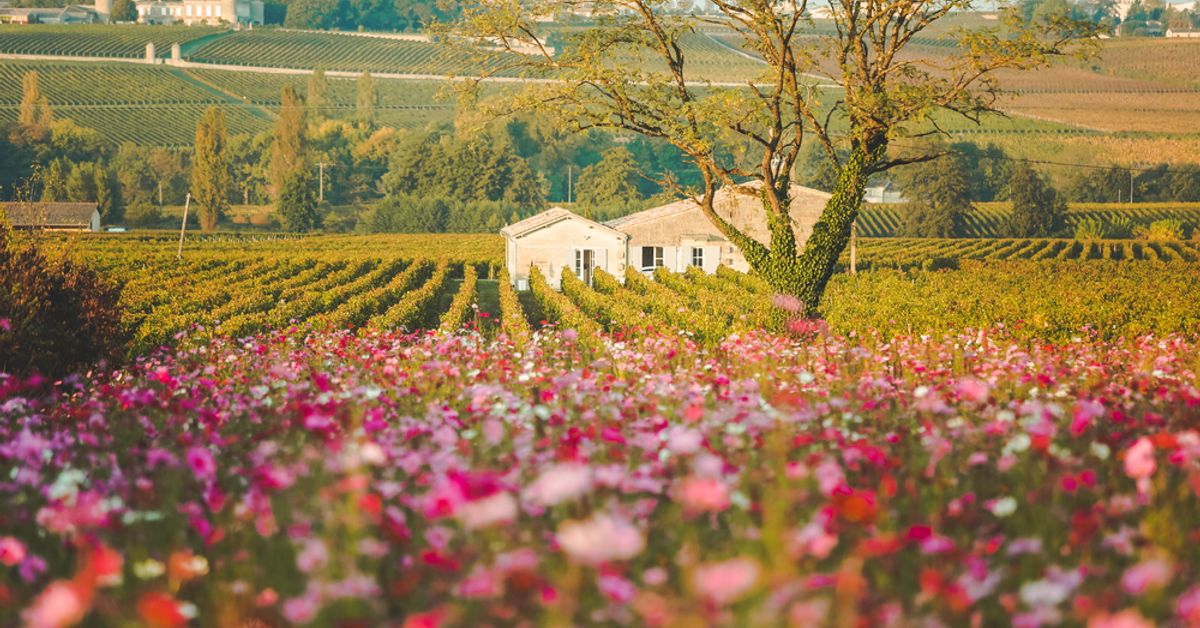
Why French Wine Feels Different
Most countries label wine by grape variety. You buy a Californian Cabernet Sauvignon or an Australian Shiraz. France does the opposite. French wine is labelled by place, not by grape. When you see “Bordeaux” or “Burgundy” on a bottle, that tells you where the wine comes from. It does not tell you the grape. So you need to learn which grapes grow in each region. That sounds difficult. In practise, most regions use just one or two main grapes. This system reflects a very French idea: the land matters. The French call it terroir. It means the soil, climate, and geography that shape every wine. Two vineyards a mile apart can produce entirely different wines. That is the beauty of French wine. France has 17 recognised wine regions. You do not need to know all of them. Start with six, and you will handle any wine list with confidence.Bordeaux: The King of Red Wine
Bordeaux sits in southwest France. It is the world’s most famous wine region. The region produces mainly red wine from a blend of grapes, not a single variety. The two key grapes are Cabernet Sauvignon and Merlot. The Left Bank of the Gironde river (the Médoc) favours Cabernet Sauvignon. These wines are firm and structured. They age well for decades. The Right Bank (Saint-Émilion, Pomerol) favours Merlot. These wines are softer and easier to drink young. Famous Left Bank names include Margaux, Pauillac, and Saint-Julien. Famous Right Bank names include Saint-Émilion and Pomerol. If a label says simply “Bordeaux,” it is an entry-level wine. The more specific the label, the more prestigious the wine. Bordeaux also makes excellent white wine. Look for Entre-Deux-Mers or white Graves — both use Sauvignon Blanc and Sémillon. Visiting Bordeaux is a joy. The city is beautiful. Saint-Émilion is a UNESCO World Heritage village. It is compact, golden, and completely built around wine. Our full Bordeaux travel guide covers everything you need for a visit.Burgundy: The World’s Most Complex Wine Region
Burgundy (Bourgogne in French) lies in eastern France. It runs south from Dijon towards Lyon. The region splits neatly into two wines: red and white. Red Burgundy uses only Pinot Noir. White Burgundy uses only Chardonnay. These are the world’s benchmark versions of both grapes. Every winemaker tries to match them. Burgundy uses a quality pyramid. At the base sits regional Bourgogne — simple, entry-level wine. Above that come village wines, such as Gevrey-Chambertin. Then Premier Cru vineyards. At the very top sit Grand Cru vineyards. There are only 33 Grand Cru vineyards in all of Burgundy. The Côte d’Or is the heart of the region. It divides into the Côte de Nuits (reds) and the Côte de Beaune (whites and reds). Chablis, north of the main region, produces steely, mineral Chardonnay. The Mâconnais in the south offers excellent value. Burgundy Grand Crus can cost thousands of pounds. But village-level Burgundy gives remarkable quality for a fair price. Start there.Champagne: France’s Most Famous Export
Champagne comes from the Champagne region, northeast of Paris. By law, only sparkling wine from this area can be called Champagne. Everything else must use a different name. The region uses three grapes: Chardonnay, Pinot Noir, and Pinot Meunier. Most Champagnes blend all three. Blanc de Blancs comes only from Chardonnay. Blanc de Noirs uses only red grapes. The great Champagne houses blend wine from many villages. This creates a consistent style year after year. Vintage Champagnes come from a single exceptional year. Small grower Champagnes (look for RM on the label) often offer better value than the big names. Reims is 90 minutes from Paris by train. The great Champagne houses there — including Veuve Clicquot and Taittinger — offer cellar tours. Épernay’s Avenue de Champagne is lined with the famous maisons. Touring the chalk cellars is a unique experience.🇫🇷 Enjoying this? 7,000 France lovers get stories like this every week. Subscribe free →
The Loire Valley: France’s River of White Wine
The Loire Valley stretches across central France. The Loire River runs through it for 1,000 kilometres. The region produces enormous variety. It is best known for white wine. Sancerre and Pouilly-Fumé produce crisp Sauvignon Blanc. These are among the finest expressions of the grape anywhere. Vouvray uses Chenin Blanc. These wines range from bone dry to beautifully sweet. Muscadet, near the Atlantic coast, produces light, salty whites. They are perfect with shellfish and oysters. The Loire also makes good red wine. Chinon and Bourgueil use Cabernet Franc. These reds are lighter than Bordeaux. They are fresh, earthy, and easy to drink young. The Loire Valley is a UNESCO World Heritage Site. The châteaux, the river, and the vineyards form one of France’s greatest landscapes. If you are planning your first trip to France, the Loire Valley rewards slow travel.The Rhône Valley: Power and Spice
The Rhône Valley runs south from Lyon towards the Mediterranean. It divides into two very different zones. The Northern Rhône produces intense reds from Syrah. Hermitage and Côte-Rôtie are the flagship wines. They are powerful, smoky, and age for decades. White Viognier from Condrieu is rich and perfumed. The Southern Rhône produces blended wines. Grenache forms the backbone. Châteauneuf-du-Pape is the most famous name. These are warm, ripe wines with dried herbs, black fruit, and spice. They suit red meat and slow-cooked dishes. Gigondas and Vacqueyras offer similar quality for less money. The Southern Rhône also produces excellent rosé. Tavel is France’s finest dry rosé appellation. It is deeper in colour than Provence rosé and works beautifully with food.Alsace: France’s Wine Wild Card
Alsace sits on France’s eastern border, next to Germany. Its history has been German as much as French. The food and wine reflect that. Alsace labels wines by grape variety. This makes it the most beginner-friendly region in France. Look for Riesling (dry and aromatic), Gewürztraminer (spicy and floral), Pinot Gris (rich and textured), and Pinot Blanc (light and fresh). Alsace wines are almost always dry. They work beautifully with the region’s food: choucroute, tarte flambée, and pork dishes. The town of Colmar makes a perfect base. Its half-timbered houses and canals are extraordinary. Our Colmar travel guide covers the best of the region.Provence: The Home of Rosé
Provence produces more rosé than any other region in the world. The pale pink style of Provence rosé now sets the standard globally. The main grapes are Grenache, Cinsault, Mourvèdre, and Syrah. The wines are dry, pale, and fresh. They are made for food, not for sweetness. Côtes de Provence is the main appellation. Bandol produces the finest, most structured wines. A good Bandol rosé can age for three to five years. Provence also produces serious red wine. Bandol reds come from Mourvèdre. They are earthy and complex. They age for 10 to 20 years. For Provence visitors, the fragrance of thyme, lavender, and pine makes every tasting feel like a sensory experience. You can learn more about the South of France in our guide to Languedoc and the south.How to Read a French Wine Label
French labels show where the wine comes from, not which grape it uses. Here are the key terms to know: Appellation / AOC / AOP — the official quality system. It defines which grapes grow where, and how producers must make the wine. Millésime — the vintage year. This tells you how old the wine is. Mis en bouteille au château — bottled at the château. The producer controlled everything from vine to bottle. Grand Cru / Premier Cru — quality rankings used in Burgundy and Alsace. In Bordeaux, the classification system works differently. Négociant — a merchant who buys wine or grapes and bottles them under their own label. Domaine — an estate that grows its own grapes and makes its own wine. Understanding these terms turns a confusing label into a story. You start to see where the wine came from, who made it, and what to expect.Planning a Wine Trip Through France
Visiting French wine regions is one of the great travel experiences. Most regions welcome visitors. Many châteaux and domaines offer tastings and cellar tours. Bordeaux is the easiest starting point. The city is beautiful. The wine trail is well-organised. Saint-Émilion is extraordinary. Burgundy rewards slow travel. Drive the Route des Grands Crus south from Dijon. Stop at villages, taste wines, and buy direct. Beaune makes an excellent base. Its medieval hospice and Saturday market are unmissable. The Loire Valley suits a longer road trip. Follow the river from Nantes to Sancerre. Stop at châteaux, vineyards, and riverside restaurants. France’s train network connects the main wine towns easily. Read our guide on travelling France by train for tips on getting around.Frequently Asked Questions About French Wine
What is the best French wine region for beginners?
Bordeaux and Alsace are the most beginner-friendly regions. Bordeaux produces reliable, well-structured reds at every price point. Alsace labels wine by grape variety, which makes it easier to understand than most French regions.
What is the difference between Bordeaux and Burgundy?
Bordeaux produces blended red wine, mainly from Cabernet Sauvignon and Merlot. Burgundy produces single-variety red (Pinot Noir) and white (Chardonnay). Bordeaux wines are typically fuller-bodied. Burgundy wines are more delicate and complex.
Can any sparkling wine be called Champagne?
No. Only sparkling wine produced in the Champagne region of France, using the traditional method, can legally be called Champagne. Other French sparkling wines are called Crémant. Italian sparkling wine is Prosecco. Spanish sparkling wine is Cava.
What does AOC or AOP mean on a French wine label?
AOC stands for Appellation d’Origine Contrôlée. AOP is the European equivalent: Appellation d’Origine Protégée. Both terms mean the wine follows strict rules about where it comes from, which grapes are used, and how it is made. An AOC label is a mark of regulated quality.
What is the best time of year to visit French wine regions?
Harvest (September and October) is the most exciting time to visit. The vineyards turn gold and red. Many properties welcome visitors during this period. Spring (April and May) is also excellent. The vines are fresh and the weather is mild. Avoid August, when many small domaines close for summer.
Is French wine always better than wine from other countries?
Not always, but France does produce some of the world’s finest wine. The country’s variety of climates, soils, and centuries of experience create conditions that few regions can match. Many of the world’s best-selling wine styles — Bordeaux blends, Pinot Noir, Chardonnay, Champagne — trace their roots to France.
You Might Also Enjoy
- Bordeaux Travel Guide: What to See, Do and Drink in France’s Wine Capital
- Colmar Travel Guide: The Most Beautiful Town in Alsace
- The Art of the French Apéritif: How France Drinks Before Dinner
Plan Your France Trip
Ready to experience French wine country for yourself? Start with our complete France trip-planning guide. It covers when to go, how to get around, and where to stay in every region.
Join 7,000+ France Lovers
Every week, get France’s hidden gems, seasonal guides, local stories, and the art of la vie française — straight to your inbox.
Subscribe free — enter your email:
Love more? Join 64,000 Ireland lovers → · Join 43,000 Scotland lovers → · Join 30,000 Italy lovers →
Free forever · One email per week · Unsubscribe anytime
Tours & experiences you might love


Powered by Viator. Some links are affiliate links — we may earn a small commission at no extra cost to you.

Leave a Reply