
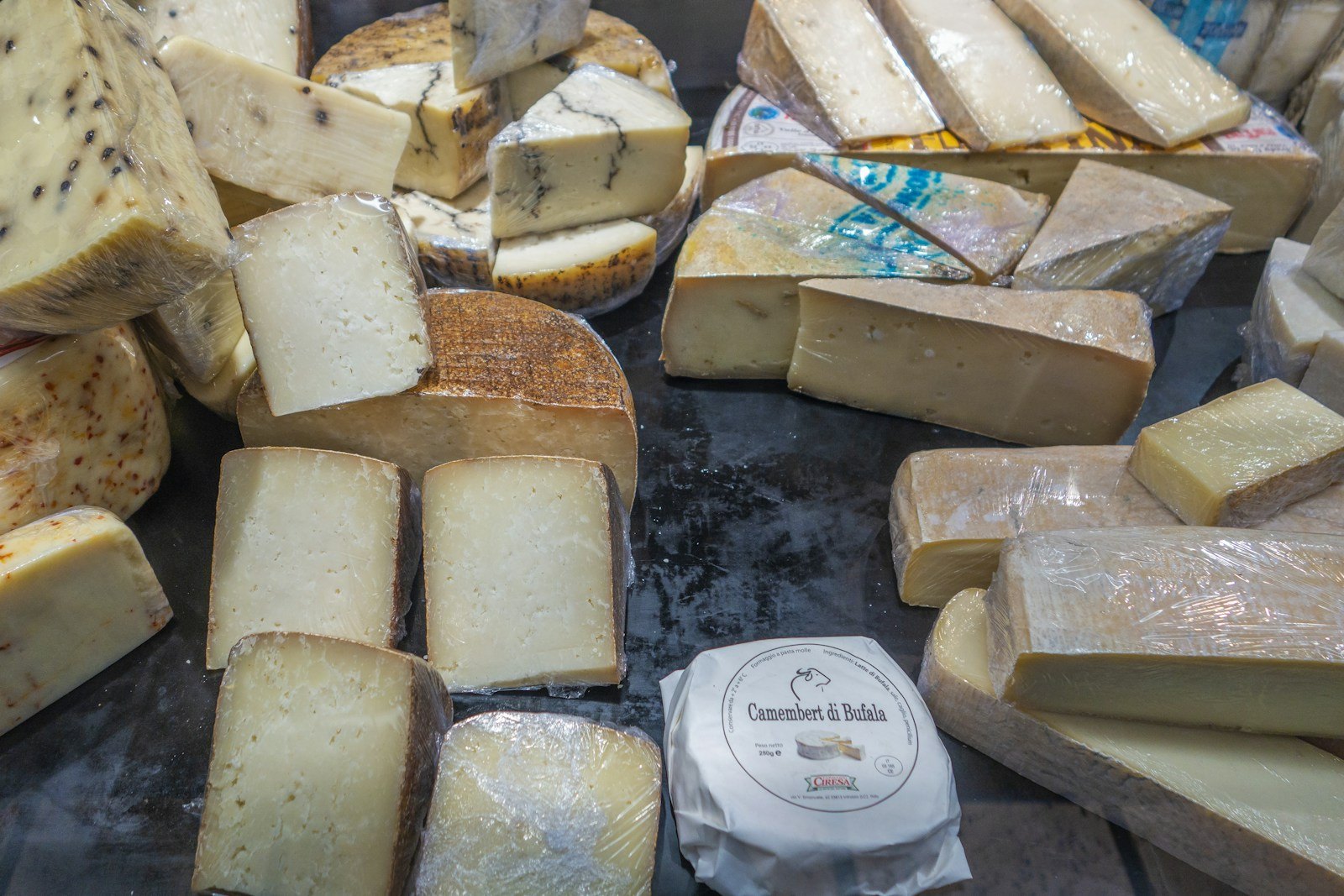
France produces more than 1,000 types of cheese. Behind many of the most famous ones is something you might not expect: a cave. Or more precisely, a carefully managed underground space where temperature, humidity, and airflow combine to create flavours you cannot get anywhere else.
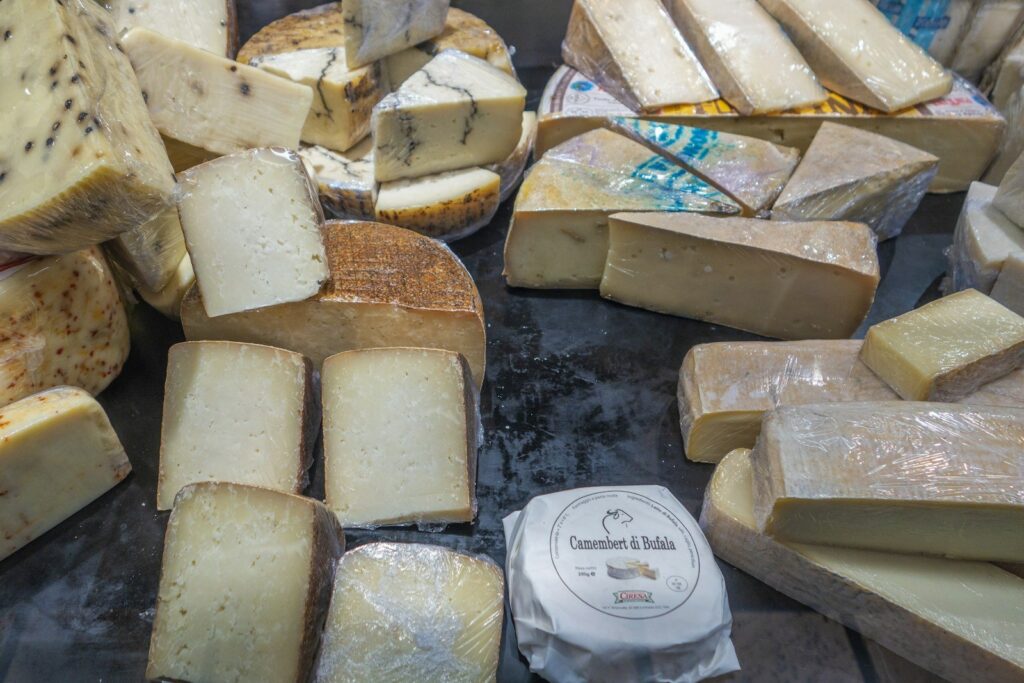
Visiting a French cheese cave is one of those travel experiences that stays with you. It is not glamorous. The air is cold and often smells strongly of ammonia and mould. But you leave understanding why French cheese is what it is — and why it tastes so different from the versions exported around the world.
Here is a guide to the main cheese caves in France, what you can expect when you visit, and how to plan a trip around them.
What Is a Cheese Cave and Why Does It Matter?
A cheese cave is an underground space — natural or man-made — where cheese is aged under controlled conditions. Temperature, moisture, and ventilation are the key variables. Most cheese caves stay between 8°C and 14°C year-round, with humidity levels above 90%.
These conditions slow down the ageing process and encourage the growth of specific moulds and bacteria that develop flavour. Without the right cave environment, many French cheeses simply cannot be made to the same standard.
France’s AOC (Appellation d’Origine Contrôlée) system exists partly because of this. When you buy Roquefort or Comté in France, the law guarantees that the cheese was made and aged in a specific region using specific methods. The cave is not a gimmick — it is central to the product.
💌 Love France? Get our weekly newsletter with guides, food tips, and travel inspiration. Subscribe here →
Roquefort-sur-Soulzon: Where the Blue Cheese Comes From
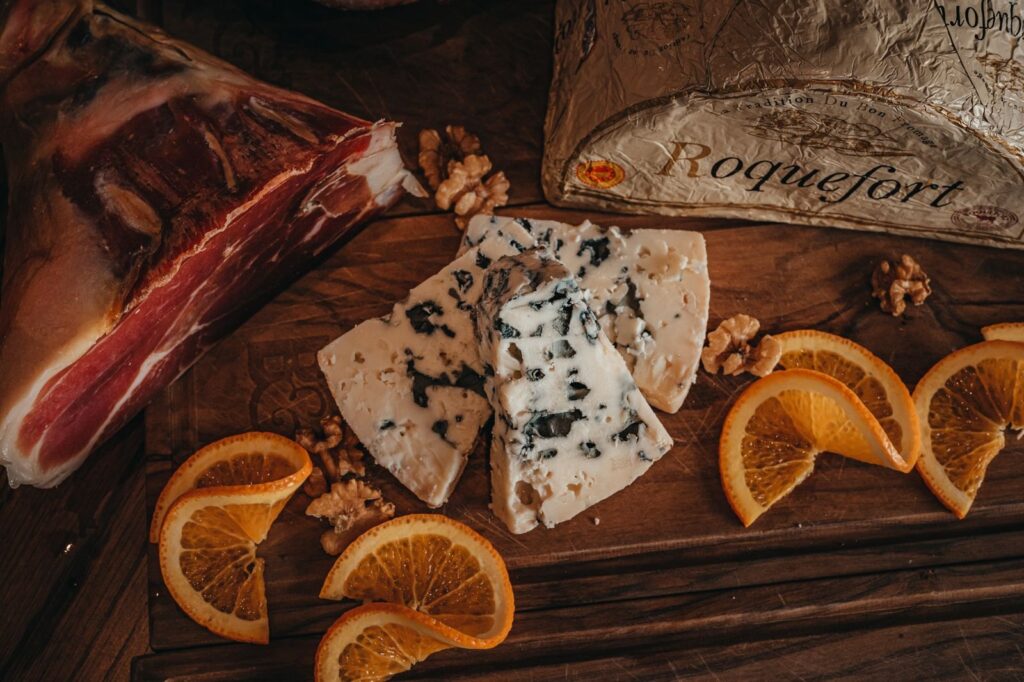
The village of Roquefort-sur-Soulzon sits on the southern edge of the Massif Central in Aveyron, about two hours north of Montpellier. The village itself is small — fewer than 700 people — but it produces one of France’s most recognised cheeses.
Roquefort gets its character from the Combalou caves, a network of natural cavities in the limestone rock beneath the village. What makes these caves unique is their system of natural ventilation called fleurines — fissures in the rock that allow cold, moist air to circulate constantly. The caves maintain a temperature of around 8°C and humidity close to 95% throughout the year.
The blue-green veining in Roquefort comes from Penicillium roqueforti, a mould that grows naturally in these caves. The cheese is made from raw sheep’s milk sourced from the surrounding Lacaune plateau, then brought to the caves to ripen. The official Roquefort AOP site explains how the caves and their fleurines work.
Several producers operate caves here, and the most accessible for visitors is Roquefort Société, which opens its caves every day of the year. The guided visit takes you through caves still in use, explains the ageing process, and ends with a tasting.
Practical Details for Roquefort
- Location: Avenue François-Galtier, 12250 Roquefort-sur-Soulzon
- Tours: Open every day, all year; tickets can be booked online, which is wise in July and August
- Prices: See the Roquefort cave visits page (checked October 2026)
- Getting there: Easiest by car; nearest large town is Millau, 25 minutes away
Comté and the Caves of the Jura
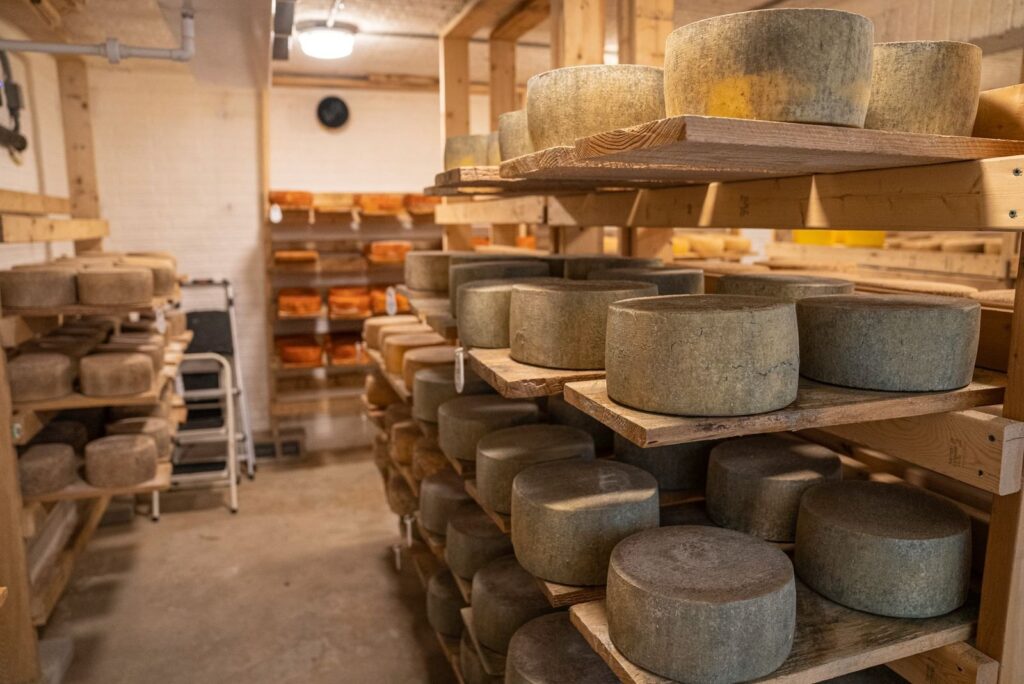
Comté cheese comes from the Franche-Comté region in eastern France, close to the Swiss border. It is made from raw cow’s milk and aged for a minimum of four months, though many wheels are left for 12, 18, or even 24 months. The Comté AOP site covers how it is made.
The ageing happens in fruitières (co-operative dairies) and large affineurs’ caves. The most spectacular of these is the Fort des Rousses, a 19th-century military fort near the Swiss border that was converted into a cheese-ageing facility. Today its vaulted stone galleries hold well over 100,000 wheels of Juraflore Comté.
Tours of the Fort des Rousses take visitors through long stone corridors lined floor-to-ceiling with cheese wheels, each being turned and brushed by hand at regular intervals. It is an extraordinary sight and one of the most impressive food-production visits you can do in France.
Another notable cave is the Fort Saint-Antoine near Malbuisson, south of Pontarlier, where the Fromageries Marcel Petite have aged Comté slowly since 1966. Around 100,000 wheels rest here. Guided visits (about 1 hour 30 minutes) are by appointment only, so contact them before you go, and bring warm clothes and closed shoes.
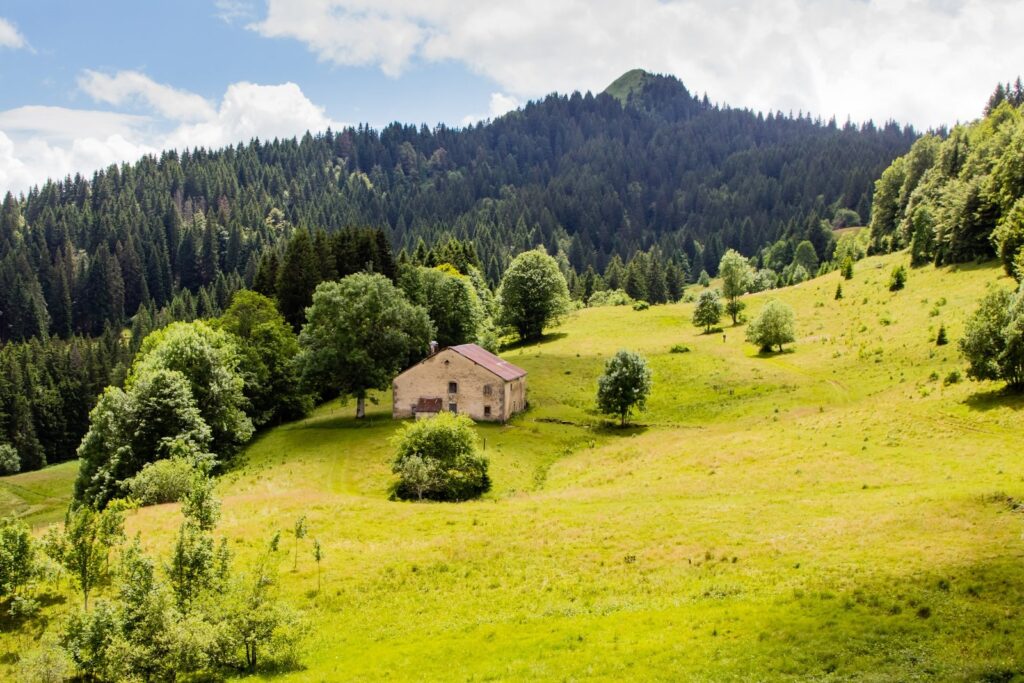
Practical Details for Fort des Rousses
- Location: Fort des Rousses, 39220 Les Rousses
- Open: Guided tours all year; booking online is required
- Duration: About 1 hour 30 minutes
- Getting there: Easiest by car; Les Rousses sits in the Jura mountains right by the Swiss border
💌 Discover more of France’s food regions with our free weekly newsletter. Subscribe here →
Other French Cheese Caves Worth Knowing
Roquefort and Comté are the most famous, but France has other notable cheese-cave experiences worth adding to your itinerary.
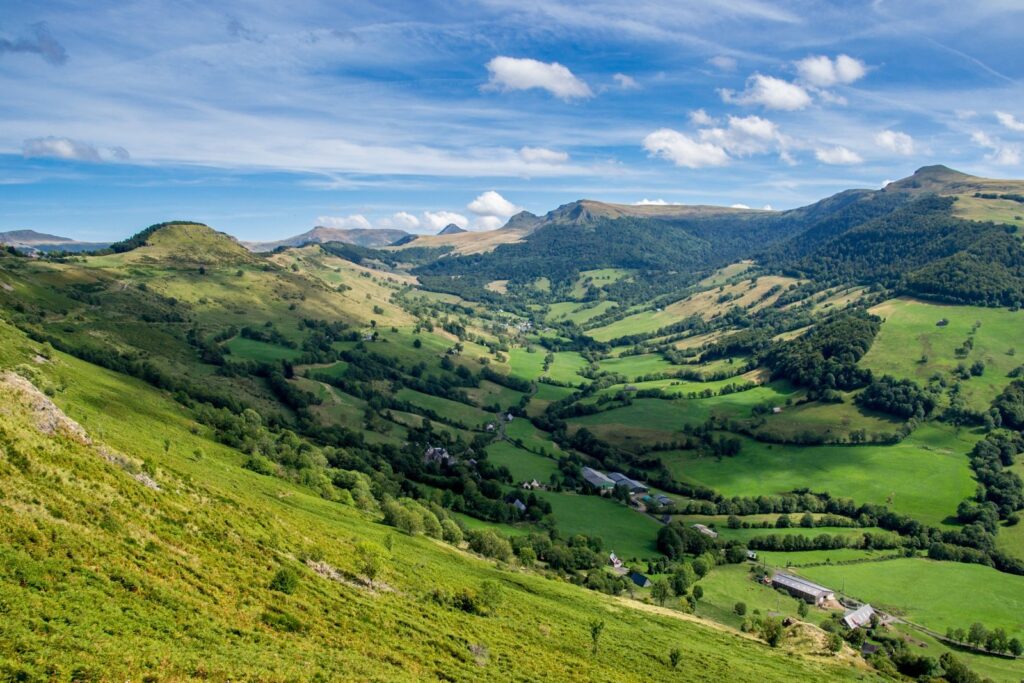
Bleu d’Auvergne, Auvergne: This is Roquefort’s lesser-known cousin — a blue cheese made from cow’s milk in the Auvergne. The Bleu d’Auvergne AOP site lists its producers, and the Route des Fromages AOP d’Auvergne points you to farms and dairies that welcome visitors.
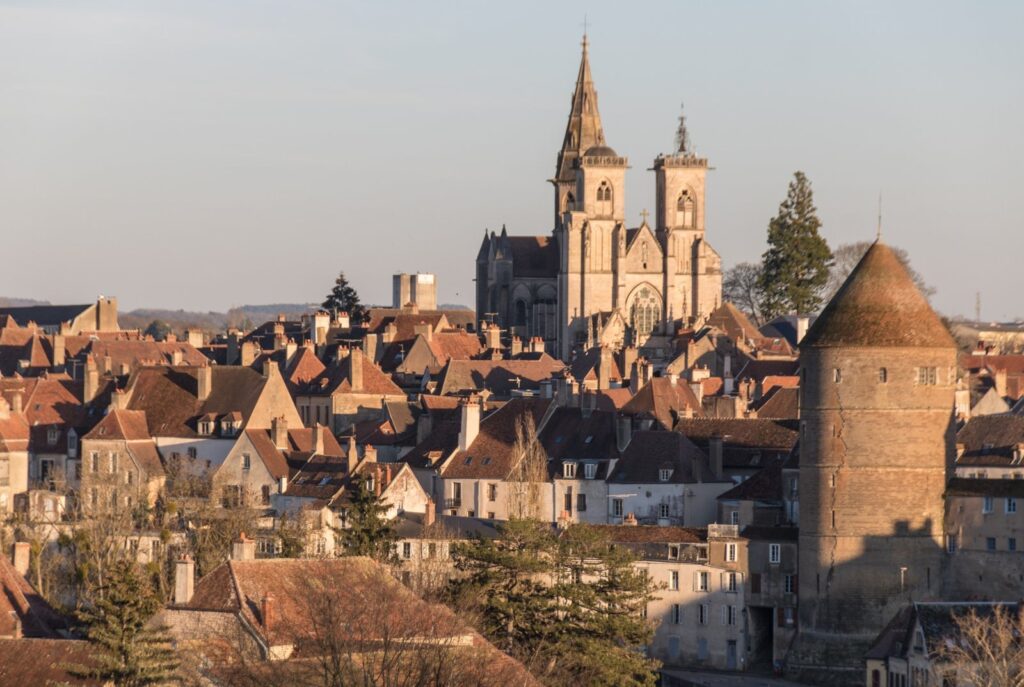
Époisses, Burgundy: Époisses is a washed-rind cheese aged in cool, damp cellars and washed regularly with Marc de Bourgogne — a local spirit. The village of Époisses is home to the Fromagerie Berthaut, a good place to buy the cheese at its peak.
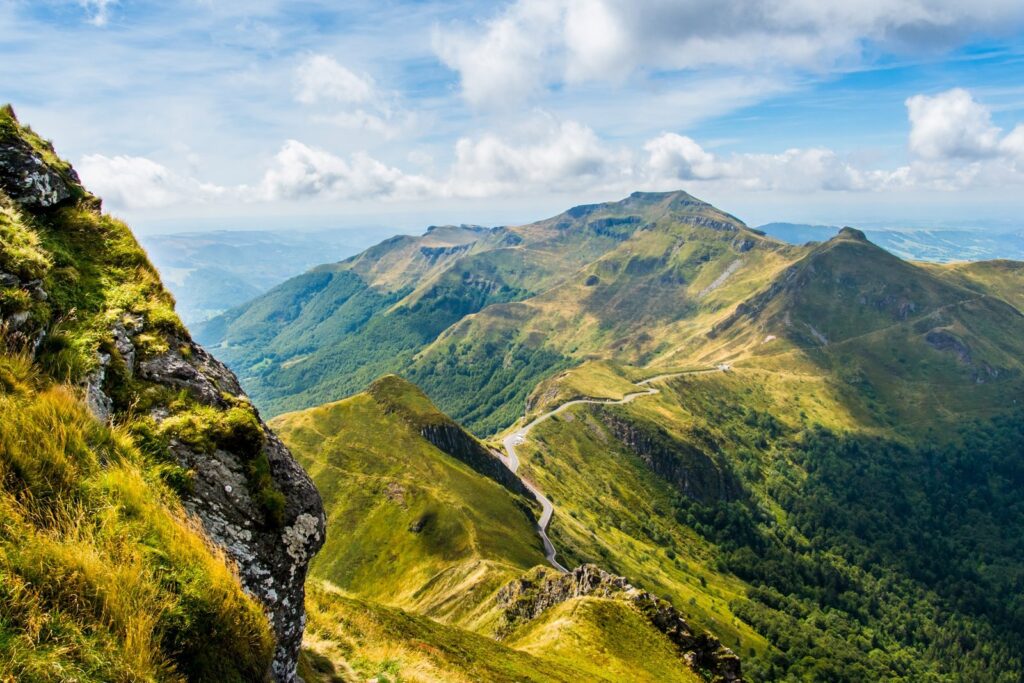
Cantal, Auvergne: One of France’s oldest cheeses, Cantal is aged in large wheels for anywhere from one month to over a year. Affineurs in the Cantal department age the cheese in traditional cellars. The official Cantal AOP site lists events built around the cheese.
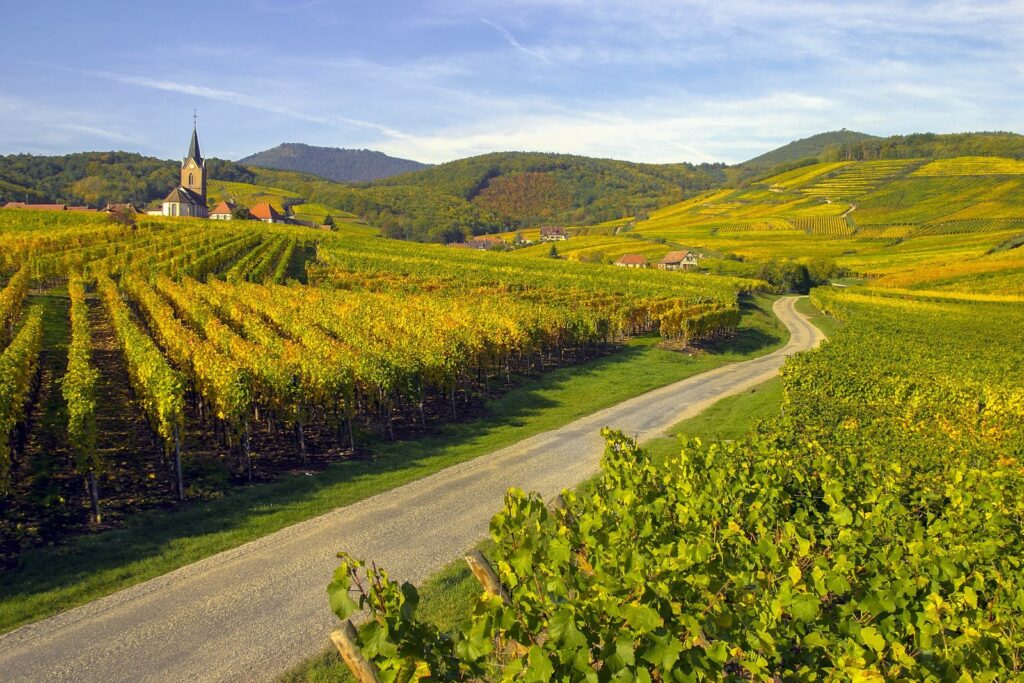
Munster, Alsace: The cellars of Alsace age Munster, a pungent washed-rind cheese with a very different character from its supermarket counterpart. The Munster AOP site introduces the cheese and the producers who make it.
What to Expect When Visiting a French Cheese Cave
Going in prepared makes the visit more enjoyable. Here are the practical points to know before you go.
It will be cold. Caves are kept at temperatures between 8°C and 14°C. Bring a light jacket even in summer — most people are surprised by how cold it feels after a warm day outside.
The smell is strong. Ammonia, mould, and intense cheese aromas are part of the experience. Most people adapt within a few minutes, but the first moment inside can be a shock.
Photography is usually permitted, but flash is often restricted to protect the ageing environment. Check with your guide before taking photos.
Tastings are included at most caves. This is the real highlight — tasting cheese aged on site, in optimal conditions, is noticeably different from buying it in a supermarket.
English tours are available at the major sites (Société Roquefort, Fort des Rousses) but not always at smaller producers. It is worth checking the producer’s website before you visit.
How to Plan a Cheese Cave Trip
France’s main cheese caves are spread across the country, so most visitors combine one or two with a broader regional trip rather than making the caves the sole destination.
For Roquefort: Pair it with a visit to the Millau Viaduct (30 minutes away), a drive through the Gorges du Tarn, or a stop in the medieval town of Millau. The surrounding Aveyron countryside is excellent walking territory.
For Comté: The Jura region combines well with wine tourism — Jura wines are excellent and still underrated. The region also offers good hiking, and Besançon is a worthwhile city to base yourself in.
Book in advance. The major caves get busy in July and August. Booking a tour online before you travel saves time and guarantees your place.
Buy directly. Cheese bought at the cave is always fresher and more varied than what you find in shops. Many caves sell in formats — whole portions, vacuum-packed pieces, tasting selections — that travel reasonably well if you are heading home soon after.
French cheese caves are one of those travel experiences that connects food directly to place. When you see the conditions that produce Roquefort or Comté — the cold air, the stone walls, the thousands of wheels ageing in silence — the price tag on a good piece of French cheese starts to make sense.
💌 If you enjoyed this guide, sign up for our weekly France newsletter — food, travel, and the best of French life, every week. Subscribe free →
Tours & experiences you might love


Powered by Viator. Some links are affiliate links — we may earn a small commission at no extra cost to you.

Leave a Reply