
In the summer of 1777, a 19-year-old French nobleman stepped off a ship in South Carolina. He had crossed the Atlantic in secret. He was risking his fortune, his title, and his life. His name was Gilbert du Motier. The world knows him as the Marquis de Lafayette.
America was at war with Britain. France was watching from the sidelines. But Lafayette had already made up his mind. He believed in the American cause. He crossed an ocean to fight for it.
This is the story of a young man from Auvergne who helped change the history of two nations — and whose name still echoes across America today.
Born in the Heartland of France
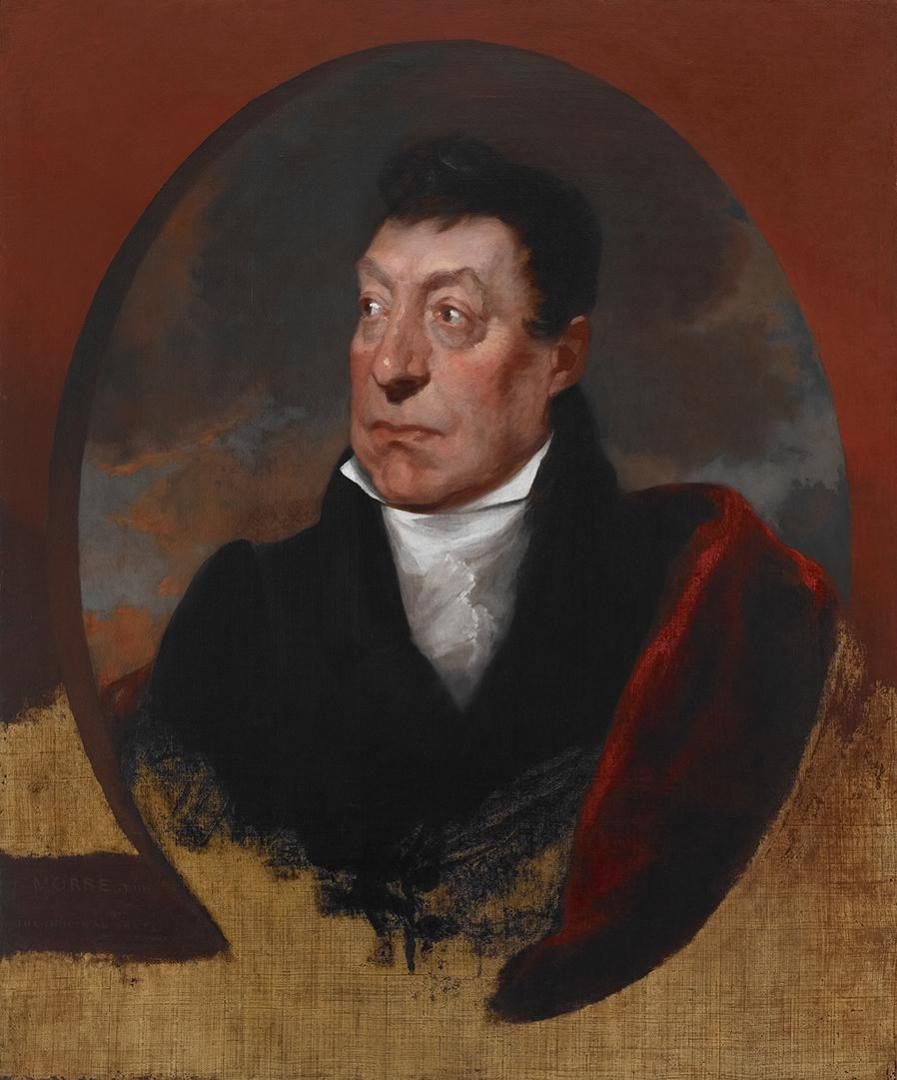
Lafayette was born on 6 September 1757. His birthplace was a château in Chavaniac, a small village in Auvergne. The region sits in the rugged hills of central France. The village still carries his name: Chavaniac-Lafayette.
His full name was long even by French standards. He was Marie-Joseph Paul Yves Roch Gilbert du Motier, Marquis de Lafayette. His family called him Gilbert.
His father died when Lafayette was just two years old. Colonel Michel du Motier fell at the Battle of Minden in 1759. The British killed him. This fact would shape his son’s choices for the rest of his life.
His mother died when he was thirteen. He inherited enormous wealth at that young age. He was suddenly one of the richest young men in France.
At sixteen, he married Marie Adrienne Françoise de Noailles. She came from one of France’s most powerful noble families. The match gave him a place at the court of Versailles. But Lafayette was restless. The grand halls of Versailles could not hold him for long.
Why a Young Frenchman Chose America
In 1775, war broke out in the American colonies. The colonists were fighting for freedom from British rule. Word spread to Europe. It fascinated young French officers.
Lafayette heard about the American cause at a dinner in 1775. The Duke of Gloucester, brother of King George III, spoke of the colonial rebellion. Lafayette was electrified. Here was a fight worth having.
France and Britain had been enemies for centuries. Lafayette’s own father had been killed by the British. He saw the American war as his chance to act.
The French king had other ideas. Louis XVI did not want war with Britain — not yet. He told Lafayette to stay home.
Lafayette disobeyed. He bought a ship with his own money. He named her La Victoire — The Victory. In April 1777, he sailed from Spain in secret. He was nineteen years old.
France’s connection to North America ran deep. French explorers had already built an empire across North America. Lafayette was crossing an ocean where his countrymen had sailed before him.
🇫🇷 Enjoying this? 7,000 France lovers get stories like this every week. Subscribe free →
Fighting for American Independence
Lafayette arrived in Georgetown, South Carolina, in June 1777. He walked into the Continental Army’s offices. He offered to serve without pay.
Congress made him a Major General. He met George Washington for the first time in August 1777. Washington was not expecting much from the young French nobleman. He was impressed anyway.
“When I first saw him, I formed such a liking for him that I wished to adopt him as my son,” Washington later wrote.
Lafayette proved himself quickly. At the Battle of Brandywine in September 1777, a musket ball struck him in the leg. He kept fighting until his men had retreated to safety. Then he collapsed from his wound. Washington’s own doctor treated him.
Lafayette recovered and returned to battle. He trained troops. He drilled the Continental Army. He sent urgent letters back to France. He made the case for French support in detail.
In 1779, he returned to France to argue in person for more help. He met King Louis XVI. He pressed for ships, soldiers, and money. He got them.
Many French soldiers who fought in the American war came from families like those in the story of the Filles du Roi — ordinary French men and women who had already crossed the Atlantic to build a new world.
The Alliance That Won the War
France officially joined the American war in 1778. The decision came after the American victory at Saratoga. France believed the colonists could actually win.
French forces arrived under General Rochambeau. The French navy under Admiral de Grasse cut off British supply lines at sea. Lafayette worked between Washington and the French commanders. He spoke both languages. He understood both sides.
The final battle came at Yorktown, Virginia, in October 1781. British General Cornwallis was surrounded on land. French and American forces closed in from every direction. The French fleet blocked any escape by sea.
Cornwallis surrendered on 19 October 1781. The American Revolution was effectively over.
Without France, the outcome might have been very different. Without Lafayette’s tireless work in Paris, France might never have entered the war at all.
Lafayette Returns to a Changing France
Lafayette returned to France as a hero. But France itself was changing fast. The cost of the American war had strained the country’s finances. Ordinary people were going hungry. The gap between rich and poor grew wider.
Lafayette believed in the ideals he had fought for in America. He pushed for reform. He wanted a written set of rights for French citizens. He presented a draft of rights to the king.
In 1789, the French Revolution began. Crowds stormed the Bastille on 14 July. Lafayette was appointed commander of the new National Guard. He ordered a new flag for the guard. He combined the red and blue of Paris with the white of the royal family. The French Tricolore was born.
But the Revolution moved beyond what Lafayette had planned. Violence grew. Radical groups took control. Lafayette tried to slow the bloodshed. He failed.
In 1792, he fled France. Austrian forces captured him at the border. He spent five years in prison. Washington lobbied hard for his release. The Austrian emperor refused.
Napoleon helped secure his freedom in 1797. Lafayette returned to France. He lived quietly for many years. He kept his land in Auvergne. He never stopped believing in his ideals.
The French-American bond that Lafayette helped build survived the Revolution. It shaped French communities across the New World, from Louisiana to Quebec. The Creoles of Louisiana carried that French heritage well into the nineteenth century.
A Hero’s Welcome in America
In 1824, the United States Congress invited Lafayette back to America. He was 67 years old. He made a grand tour of all 24 states. Crowds came out everywhere to greet him.
In Washington DC, President James Monroe welcomed him at the White House. In Boston, he walked the battlefields of his youth. In New Orleans, French-speaking crowds cheered him for hours.
America treated him as its own. Congress gave him 24,000 acres of land. They presented him with $200,000. They named him an American citizen.
He visited every state. He spent more than a year crossing the young country he had helped create.
Lafayette’s Enduring Legacy
Lafayette died in Paris on 20 May 1834. He was buried at the Picpus Cemetery. His tomb was covered with soil from Bunker Hill in Massachusetts. Americans had brought it to France.
President Andrew Jackson ordered all flags in America lowered to half-mast. It was the first time an American president had done so for a foreign national.
His name is everywhere in the United States today. There are Lafayette counties in 17 American states. At least 35 cities and towns carry his name. Lafayette Square sits directly across from the White House in Washington DC.
In France, streets and schools bear his name. His childhood home at Chavaniac is now a museum. Visitors can walk the rooms where he grew up before he changed the world.
The Statue of Liberty — France’s gift to America in 1886 — carries his spirit. It stands as a symbol of the friendship between two nations. Lafayette spent his life building that friendship.
He crossed the Atlantic as a teenager. He believed in ideals most people only talked about. He fought for them. He paid with his blood and five years in an Austrian prison.
No single person better represents the bond between France and America. If you want to trace your own French heritage or follow in his footsteps, our guide to tracing French ancestry is the place to start.
Frequently Asked Questions About the Marquis de Lafayette
Who was the Marquis de Lafayette?
The Marquis de Lafayette was a French nobleman born in 1757 in the Auvergne region. He sailed to America at 19 to fight for independence from Britain. He later became a key figure in the early French Revolution and designed the French Tricolore flag.
Where was Lafayette born in France?
Lafayette was born at the Château de Chavaniac in Auvergne, central France. The village is now called Chavaniac-Lafayette in his honour. His childhood home is open to visitors as a museum and heritage site.
Why did Lafayette fight for American independence?
Lafayette admired the ideals of the American Revolution. He was also driven by a personal motive. The British had killed his father at the Battle of Minden in 1759. Fighting Britain gave him a chance to act on both belief and grief.
What role did Lafayette play in the French Revolution?
After the Bastille fell in 1789, Lafayette commanded the new National Guard. He helped design the French Tricolore flag by combining the colours of Paris and the royal family. He pushed for a system of rights but was forced to flee when radical groups took control.
How is Lafayette remembered in the United States?
Lafayette is remembered as one of America’s greatest foreign allies. More than 35 American cities bear his name. Lafayette counties exist in 17 states. Lafayette Square in Washington DC sits across from the White House. When he died in 1834, President Jackson lowered American flags to half-mast — the first time a US president had done so for a foreign national.
You Might Also Enjoy
- New France: How French Explorers Built an Empire Across North America — The story of French expansion across Canada and the Mississippi
- The Filles du Roi: The 800 French Women Who Built Canada — How France sent young women to populate New France, and the families they founded
- How to Trace Your French Ancestry — A step-by-step guide for French-Canadians and Americans tracing their roots
Plan Your France Trip
Visiting Auvergne, following Lafayette’s footsteps, or planning a French heritage journey? Start here with our complete France travel planning guide — from when to go to how to find your family’s ancestral village.
Join 7,000+ France Lovers
Every week, get France’s hidden gems, seasonal guides, local stories, and the art of la vie française — straight to your inbox.
Subscribe free — enter your email:
Free forever · One email per week · Unsubscribe anytime
Tours & experiences you might love


Powered by Viator. Some links are affiliate links — we may earn a small commission at no extra cost to you.

Leave a Reply