
More than 300 years ago, French colonists sailed across the Atlantic and built a colony at the mouth of the Mississippi River. They named it La Louisiane. They planted oak trees, built Catholic churches, and brought their language, their food, and their way of life to the Gulf Coast. Most empires fade. This one didn’t. The French heritage of Louisiana is still alive today — in surnames, in kitchens, in cemeteries, and in the streets of New Orleans. This is the story of the Louisiana Creoles: the people who kept French culture burning in America long after France itself was gone.
Who Were the Louisiana Creoles?
The word “Creole” comes from the Portuguese crioulo. It meant someone born in the New World of European descent. In Louisiana, the term became something richer. Louisiana Creoles descended from the original French and Spanish settlers of colonial Louisiana. Over generations, their families also included Africans — both enslaved and free — and Native Americans. The result was a distinct culture: Catholic, French-speaking, and deeply rooted in the bayou.
Louisiana Creoles are often confused with Cajuns. They are different communities. Cajuns descended from the Acadians expelled from Nova Scotia in 1755. Creoles were already in Louisiana when the Acadians arrived. Both groups share French Catholic roots. Both have worked for centuries to preserve their heritage. But their histories took different paths.
🇫🇷 Free Guide: How to Trace Your French Ancestry
Step-by-step: Archives Départementales, état civil records, parish registers, Acadian roots, DNA testing, and planning a heritage trip to France. Completely free.
Get the Free Guide →
Subscribe free at the guide page to receive weekly France stories
Where the French Came From
France claimed Louisiana in 1682. The explorer René-Robert Cavelier, Sieur de La Salle, paddled down the Mississippi River and planted a cross near its mouth. He named the territory after King Louis XIV. But settlers didn’t arrive in large numbers until the 1700s.
The Company of the West — later the Company of the Indies — began recruiting settlers in 1717. They came from across France. Many left from Bordeaux, which was the main port for the Atlantic colonies. Others sailed from La Rochelle and Rochefort. Settlers came from Normandy, Brittany, Gascony, and the Île-de-France. They brought their surnames, their dialects, and their Catholic faith.
Not all came willingly. The Company transported prisoners, orphans, and poor migrants alongside willing volunteers. German settlers also arrived — especially from Alsace — and they quickly became French in name and culture. By 1720, a mix of French, German, African, and Native peoples had formed the foundation of Creole Louisiana.
New Orleans: France’s Most Enduring City
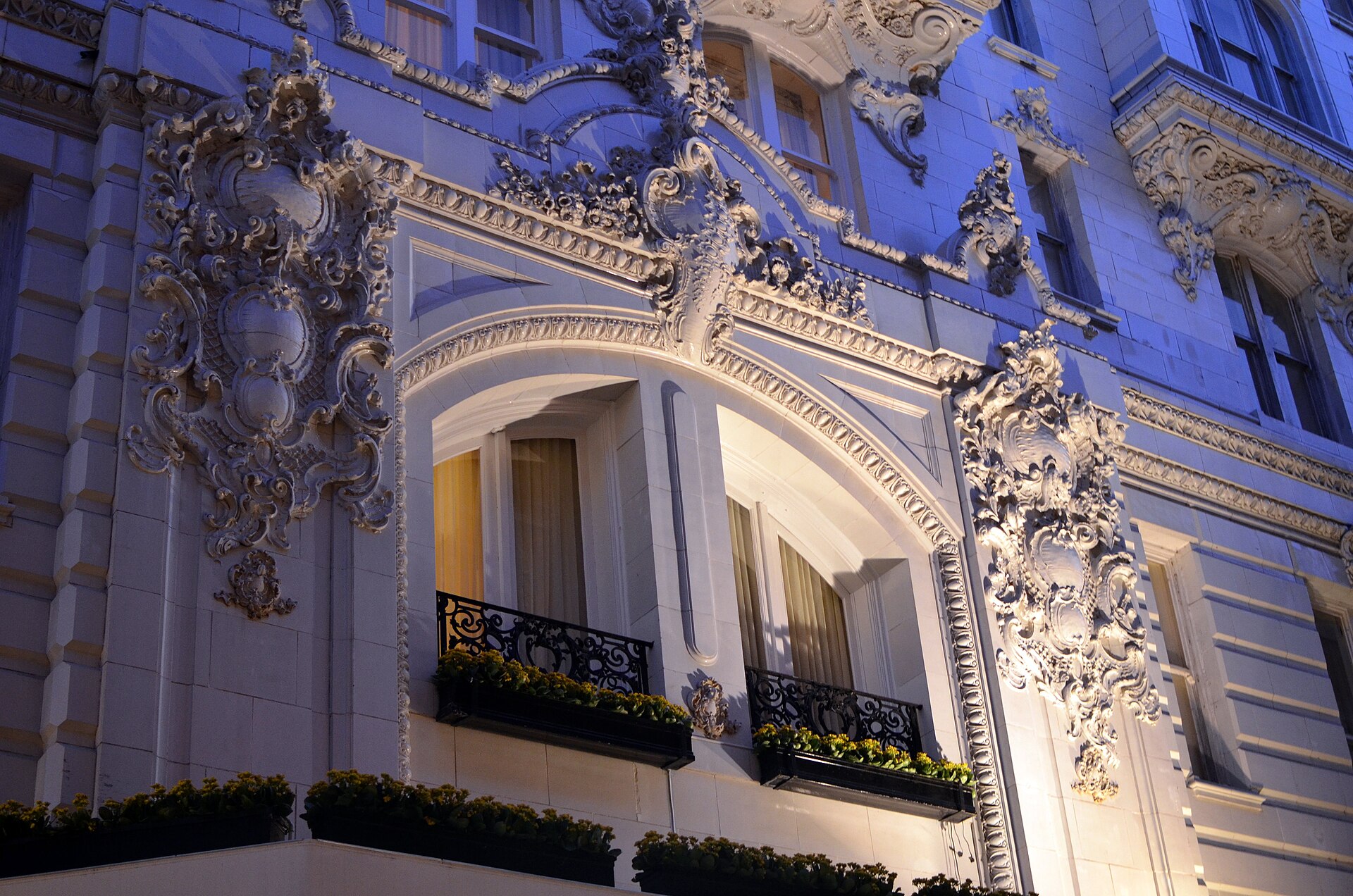
Jean-Baptiste Le Moyne de Bienville founded New Orleans in 1718. He named it La Nouvelle-Orléans after the Duc d’Orléans, regent of France. The city grew along a sharp bend in the Mississippi River. The French Quarter — the Vieux Carré — was the original settlement. Its street names are still French: Bourbon Street, Chartres Street, Toulouse Street, Burgundy Street, Bienville Street.
The French built St Louis Cathedral in 1727 — the oldest continuously active cathedral in the United States. The Ursuline Convent, completed in 1752, is the oldest surviving building in the Mississippi Valley. The French Market has operated since 1791. France ceded Louisiana to Spain in 1763. Spain held it for four decades. But French culture didn’t yield. The settlers kept speaking French, kept cooking French food, and kept burying their dead in Catholic cemeteries.
Napoleon briefly reclaimed Louisiana in 1800 — and then sold it to the United States in 1803. The Louisiana Purchase shocked the Creole population. They had not been consulted. Many feared losing their language, their laws, and their way of life. Some of those fears were justified. But much of what they cherished survived.
🇫🇷 Enjoying this? 7,000 France lovers get stories like this every week.
Thinking about it for retirement? If you’ve started thinking seriously about retiring there, our complete our full Retire in France guide covers the visa, healthcare, cost-of-living, and the regions worth shortlisting.
What Creole Culture Preserved
Creole culture is one of the most visible legacies of France in the Americas. Several things survived for three centuries.
Language. Louisiana French was spoken widely in the state until the mid-20th century. Schools banned it in the 1920s. Generations grew up ashamed to speak it. Yet some still do. Louisiana Creole is a distinct French-based creole language, mixing French grammar with vocabulary from African languages, Spanish, and Native American tongues. Organisations like CODOFIL — the Council for the Development of French in Louisiana — now fight to keep the language alive.
Religion. Louisiana’s Catholic heritage is French. The feast of All Saints on 1 November is still celebrated with visits to family graves. Louisiana cemeteries are above-ground — the water table makes burial in the earth impossible. The result is a landscape of whitewashed tombs that looks like a small city. This French Catholic tradition remains one of Louisiana’s most distinctive features.
Food. Creole cooking is French technique adapted to the Louisiana bayou. A French roux — butter and flour cooked low and slow — forms the base of gumbo. Étouffée is a French word: smothered. Beignets are the French doughnuts still sold at Café Du Monde, every day, since 1862. Red beans and rice on Monday is a Creole tradition: it was washing day, and the beans could simmer on the stove all morning without attention. These are not tourist inventions. They are genuine French cooking habits transplanted to American soil.
Architecture. The Creole cottage — raised on piers, with a full-length front porch and a steeply pitched roof — is French colonial design adapted to the heat and floods of the Gulf Coast. The wrought-iron balconies of the French Quarter owe their decorative style to Spanish rule, but the buildings behind them are French.
Mardi Gras. Carnival is older than New Orleans. Bienville himself organised the first Mardi Gras celebration in Louisiana in 1699, before the city existed. The tradition is direct from Catholic France: the Tuesday before Lent has been marked with feasting and revelry in France since the Middle Ages. New Orleans made Mardi Gras famous. France made Mardi Gras.
Creole Surnames: French Names in Louisiana
If you have Louisiana ancestry, your surname may trace directly back to France. Many Creole families carry French surnames unchanged for three centuries.
Broussard comes from the Poitou-Charentes region of France, near La Rochelle — one of the main ports for colonial emigrants. The name derives from brosse, meaning brush or scrubland, and referred to a family who lived near the edge of a forest. Thousands of Louisiana Broussards trace their line back to a single French ancestor who arrived in the 1700s.
Fontenot and Fonteneau come from Fontenay-le-Comte in the Vendée. It was one of the main departure towns for settlers heading to Louisiana. The name means “little spring” or “fountain place.”
Landry, Hébert, LeBlanc, and Guidry are surnames shared by both Creoles and Cajuns. All are French in origin. Many families with these names arrived as Creoles and later intermarried with Acadian settlers.
Delacroix (of the cross), Dubois (of the woods), Dupré (of the meadow), and Dufour (of the oven) are all classic French surnames from the Île-de-France and Normandy regions. In Louisiana, these names appear in church records as far back as the 1720s.
Beauregard is a noble French name meaning “beautiful view.” General P.G.T. Beauregard — who commanded the first shots of the American Civil War — was of Louisiana Creole heritage. His family came from France generations before.
For more on the French surnames that shaped the region, see our guide to French Surnames of Gascony and Occitanie and French Surnames of Bordeaux and Aquitaine — many Louisiana families traced their roots to both regions.
Finding Your Louisiana Creole Ancestry
Louisiana has some of the best colonial records in North America. Many date back to the French colonial period itself.
St Louis Cathedral in New Orleans kept baptismal records from 1731. The Archdiocese of New Orleans has digitised many of these. They are among the most valuable genealogical records in the Americas for French Catholic heritage.
The Louisiana State Archives hold colonial-era documents from the French and Spanish periods. The Notarial Archives of New Orleans contain wills, property contracts, and manumission records dating back to the 1700s. The Tulane University Special Collections has extensive Creole family papers.
FamilySearch has an expanding Louisiana collection. The Louisiana Genealogical and Historical Society publishes records and can connect you with local researchers.
Once you find a Louisiana ancestor, the next step is tracing them back to France. Our step-by-step guide to tracing French ancestry covers the archives départementales, état civil records, and parish registers you will need to search in France itself.
Visiting Louisiana to Connect With French Roots
Louisiana is the most French place in North America. A heritage trip here brings French history to life.
The French Quarter in New Orleans is the starting point. Walk Chartres Street past St Louis Cathedral and the Cabildo — the old Spanish colonial government building that now houses the Louisiana State Museum, with its powerful collection on the French and Spanish colonial period.
St Louis Cemetery No. 1, opened in 1789, is the oldest cemetery in Louisiana. Its above-ground tombs reflect French Catholic burial tradition. Family plots have held the same families for generations. It is a deeply moving place for anyone with Creole ancestry.
Natchitoches, founded in 1714, is the oldest permanent European settlement in Louisiana — four years older than New Orleans. Its historic downtown sits along the Cane River and still feels French. The Fort St Jean Baptiste State Historic Site preserves a reconstruction of the original French fort.
Breaux Bridge calls itself the “Crawfish Capital of the World.” It is also one of the last places in Louisiana where French is still spoken in daily life. The boucheries, the music, and the local Cajun-Creole cuisine are a direct link to France that has survived 300 years.
If you want to trace your Louisiana roots back to their French source, our guide to planning a French heritage trip will help you prepare for the journey to France itself.
The French Legacy That Never Left
France sold Louisiana to the United States in 1803. On paper, it was a transfer of territory. In practise, the French remained. They kept their language as long as they could. They kept their faith, their food, their architecture, their music, and their way of living. The Louisiana Creoles chose identity over assimilation, again and again, for three hundred years.
Today, Louisiana Creole heritage is one of the most celebrated in the American South. The Zydeco music of the bayou carries the rhythm of French accordion music from Poitou and Brittany. A bowl of gumbo is a direct descendant of French peasant cooking. A Creole family name — Broussard, Landry, Thibodaux, Beauregard — is a link to a French village that exists today, often unchanged, in the French countryside.
If you have Louisiana Creole roots, you have French roots. And those roots still go somewhere. You can find them, stand in the villages your ancestors left, and understand something about who you are.
To understand the other great French diaspora story — the Huguenots who fled religious persecution — read our article on The Huguenots: France’s Great Exodus and Its Global Legacy.
Frequently Asked Questions
What is the difference between Louisiana Creoles and Cajuns?
Louisiana Creoles descended from the original French and Spanish settlers of colonial Louisiana, along with African and Native American ancestry. Cajuns descended from the Acadians — French settlers expelled from Nova Scotia, Canada, in 1755. Both groups share French Catholic roots, but they have different origins and slightly different cultural traditions. Today, the two cultures have blended significantly in south Louisiana.
Do Louisiana Creoles still speak French?
Louisiana French was widely spoken until the mid-20th century, when schools banned it and discouraged its use. Today, fluent speakers are mostly elderly, but organisations like CODOFIL are working to revive the language through immersion schools and cultural programmes. Louisiana Creole — a distinct French-based creole language — also survives in some communities.
What French regions did Louisiana Creole families come from?
Most French settlers came from the western and southwestern regions of France — Normandy, Brittany, Gascony, Poitou-Charentes, Bordeaux and Aquitaine, and the Île-de-France. They typically left from the ports of Bordeaux, La Rochelle, and Rochefort. Some also came from Alsace, though German settlers often quickly adopted French names and customs.
How do I trace my Louisiana Creole ancestry back to France?
Start with Louisiana church records, especially the St Louis Cathedral baptismal records from 1731 onward. The Louisiana State Archives, Notarial Archives of New Orleans, and FamilySearch Louisiana collections are good starting points. Once you identify a French immigrant ancestor — usually someone who arrived between 1717 and 1800 — you can search the French archives départementales and état civil records to trace their family in France. Our full guide to tracing French ancestry walks you through the process step by step.
What are the most common French surnames in Louisiana Creole families?
Common French surnames in Louisiana Creole families include Broussard, Fontenot, Landry, Hébert, LeBlanc, Guidry, Delacroix, Dubois, Dupré, Thibodaux, Beauregard, and Marigny. Many of these names trace back to specific French regions — Broussard to Poitou-Charentes, Fontenot to the Vendée, and Beauregard to French nobility. If your family has one of these names, you likely have direct French colonial ancestry.
You Might Also Enjoy
- The Acadians: Expelled from Nova Scotia, Forever French — the story of the other great French diaspora in North America
- The Huguenots: France’s Great Exodus and Its Global Legacy — how France’s Protestant refugees spread French culture across the world
- How to Trace Your French Ancestry — a step-by-step guide to finding your family in French archives
Plan Your France Trip
If Louisiana Creole heritage has made you curious about the France your ancestors left behind, our complete France trip planning guide will help you visit the towns, archives, and churches where your family story began.
Join 7,000+ France Lovers
Every week, get France’s hidden gems, seasonal guides, local stories, and the art of la vie française — straight to your inbox.
Subscribe free — enter your email:
Love more? Join 64,000 Ireland lovers → · Join 43,000 Scotland lovers → · Join 30,000 Italy lovers →
Free forever · One email per week · Unsubscribe anytime
Tours & experiences you might love


Powered by Viator. Some links are affiliate links — we may earn a small commission at no extra cost to you.

Leave a Reply