
The Cathars of Languedoc lived simple, peaceful lives. They owned little. They preached kindness. They healed the sick.
They also rejected the Catholic Church. That last point changed everything.
In 1209, Pope Innocent III launched a crusade against them. It was the first crusade in history against fellow Christians. It lasted twenty years. Hundreds of thousands died.
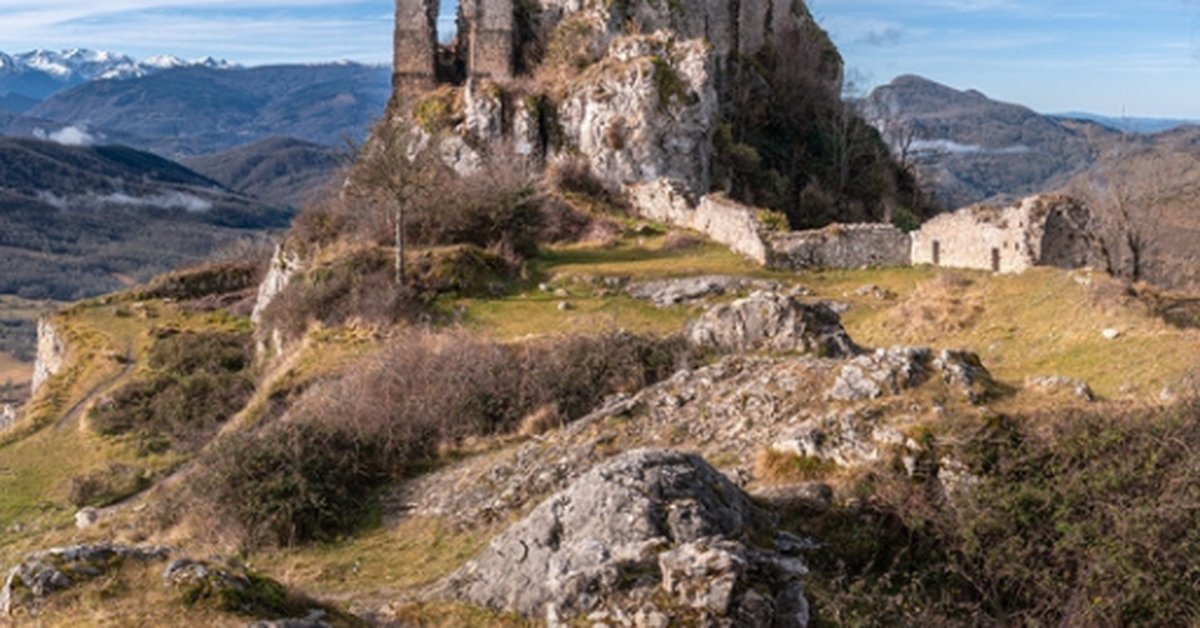
Today, the ruins of their mountain castles still stand across southern France. Their story is one of the most extraordinary — and most forgotten — chapters in French history.
Who Were the Cathars of Languedoc?
The Cathars were a Christian movement that spread across Languedoc in the 12th and 13th centuries. Their beliefs differed sharply from those of the Catholic Church. They held that the material world was created by an evil power. Only the spiritual world held any value.
They had two kinds of followers. The first were the Parfaits, or Perfect Ones. These men and women lived extremely simply. They ate no meat, no eggs, and no dairy. They owned nothing. They walked from village to village, preaching and tending to the sick.
The second group were the Credentes, or believers. They lived normal lives — working, raising families, eating meat. But they followed Cathar teaching. They hoped to receive the consolamentum, a form of spiritual blessing, before they died.
People across Languedoc often admired the Parfaits. Many felt the Catholic clergy had grown corrupt and wealthy. The Parfaits seemed genuinely holy by contrast. Villages welcomed them. Nobles protected them.
By 1200, the Cathar movement had spread through much of southern France. The city of Albi was a major centre. This is why historians also call the Cathars the Albigensians. Their heartland was Languedoc — a region with its own language, laws, and culture.
Many families across this region carry surnames that trace back to this era. Our guide to French surnames of Languedoc explores these deep family roots. And if you want to trace your own French ancestry, our step-by-step ancestry guide is the best place to begin.
The Albigensian Crusade: A Pope Sends Armies South
In January 1208, a papal legate named Pierre de Castelnau was murdered near the Rhône. Pope Innocent III blamed Count Raymond VI of Toulouse for sheltering Cathars. He declared a crusade.
The Albigensian Crusade began in 1209. Northern French knights answered the call. They received the same spiritual rewards as crusaders fighting in the Holy Land. They also received the lands of any lord they defeated. The south of France was rich, and the incentive was enormous.
The first act of the crusade shocked all of France. On 22 July 1209, the army reached Béziers. The city held both Catholics and Cathars. A commander asked how to tell them apart. The papal legate reportedly replied: “Kill them all. God will know his own.” Around 20,000 people died that day. The city burned.
The crusade lasted twenty years. Simon de Montfort led many of its campaigns. He was skilled, ruthless, and efficient. Village by village, castle by castle, the forces of the north pushed through Languedoc. The culture of the region was changed forever.
France has known other moments of religious intolerance. The Huguenots faced a similar fate three centuries later — another minority driven from France by the official Church.
The Cathar Castles of Languedoc
🇫🇷 Enjoying this? 7,000 France lovers get stories like this every week. Subscribe free →
As the crusade advanced, Cathar communities fled to the high places. The mountains of Languedoc became their refuge. Lords built fortresses on rocky peaks that seemed impossible to reach.
These castles still stand today. They are among the most dramatic in all of France. Visiting them is one of the great experiences of any trip to the south.
Château de Montségur sits at 1,207 metres above sea level in the Ariège mountains. It became the spiritual heart of the Cathar world. Hundreds of Parfaits sheltered here during the crusade. Its fall in 1244 marked the end of organised Catharism.
Château de Peyrepertuse clings to a cliff edge high in the Corbières hills. People often call it the “celestial Carcassonne.” On clear days, you can see both the Mediterranean Sea and the Pyrenees from its walls.
Château de Quéribus was the last Cathar fortress to fall. It held out until 1255 — a full decade after Montségur. Its single tower still stands on its dramatic peak above the Maury valley.
Château de Roquefixade is less visited but deeply moving. Its ruins overlook the Ariège valley. The Pyrenees stretch across the horizon on clear days. Local tradition says Cathar refugees sheltered here during the hardest years of the crusade.
The Fall of Montségur
Montségur was the last Cathar stronghold. In May 1243, the armies of the Inquisition and the French Crown surrounded the mountain. The siege lasted ten months.
Inside the fortress, around 220 Parfaits waited. They knew what surrender meant. They had already decided: they would not convert.
The castle fell in March 1244. A two-week truce followed. The terms were clear: any Cathar who accepted Catholicism could walk free. Not one of them did.
On 16 March 1244, the 220 Parfaits descended the mountain. A large wooden pyre waited at the foot of the cliff. They walked into it. None was forced. Witnesses said they sang as the flames rose.
The event is called the Crematio de Montségur. A stone memorial marks the site today. It reads: “Here, on this pyre, 220 Cathars were burned on 16 March 1244.” The field is called the Prat dels Cremats — the Field of the Burned.
The Inquisition and the End of the Cathars
The Albigensian Crusade destroyed the open Cathar movement. But thousands of believers survived in hiding. The Catholic Inquisition was created, in part, to find them.
Inquisitors travelled through Languedoc for decades. They questioned entire villages. They recorded each testimony in careful detail. These records — the Inquisition registers — survive today. They give us a vivid picture of medieval life in southern France.
One of the most remarkable sources is the Montaillou Register. In the early 1300s, Inquisitor Jacques Fournier questioned every person in the Pyrenean village of Montaillou. He wrote it all down. Historian Emmanuel Le Roy Ladurie later used this source to write his book Montaillou, published in 1975. It remains a classic of medieval history.
The last known Parfait was a man named Guillaume Bélibaste. Inquisition agents caught him in 1321. He was burned at Villerouge-Termenès. With his death, organised Catharism was gone.
But the memory did not die. The people of Languedoc kept it alive for centuries. The castles remained on their cliffs. The stories passed from parent to child. Today, visitors travel from across the world to walk in the footsteps of the Cathars.
Where to Visit Cathar Country in France
Cathar country sits in the modern region of Occitanie in south-western France. The landscape is rugged and full of history. A week here combines dramatic scenery with extraordinary stories.
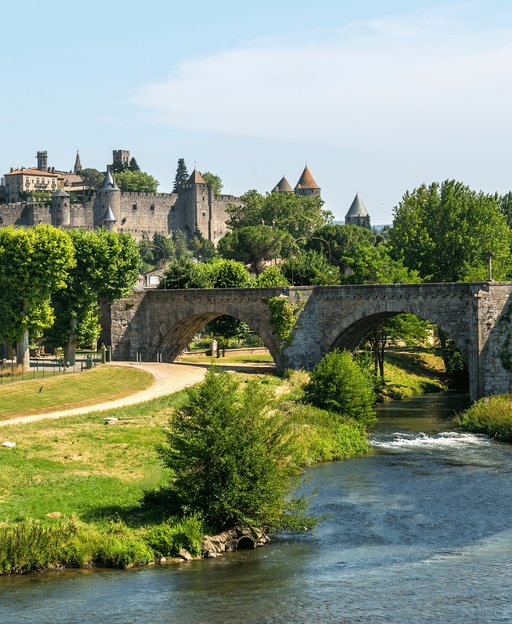
Carcassonne is the essential starting point. Its La Cité fortress is the best-preserved medieval walled city in Europe and a UNESCO World Heritage Site. Walk the ramparts, visit the Château Comtal, and stay the night to see it after the crowds leave.
Montségur draws visitors who want to understand the Cathars fully. The climb to the castle takes around 45 minutes. The views are extraordinary. The village museum below explains the Cathar world with care and clarity.
Minerve is one of the most beautiful villages in France. It sits on a natural rock between two river gorges. It fell to the crusade in 1210, and many Cathars were burned here. The village is tiny, quiet, and unforgettable.
Lastours has four ruined Cathar castles on a single ridge above a river valley. It draws far fewer visitors than Carcassonne. The silence and dramatic views make the short walk entirely worthwhile.
Béziers holds the memory of the 1209 massacre. The Cathédrale Saint-Nazaire stands on the high ground above the Orb river. This is where the crusade revealed its true character.
Our guide to planning a French heritage trip covers how to visit historic sites and ancestral villages across France. Start all your trip planning at our France trip planning hub.
Frequently Asked Questions About the Cathars
Who were the Cathars?
The Cathars were a Christian religious movement in southern France in the 12th and 13th centuries. They rejected many Catholic teachings and lived peacefully and simply. The Church declared them heretics and launched a military crusade to destroy them.
What did the Cathars believe?
The Cathars believed the material world was created by an evil force and only the spiritual world held value. Their leaders, the Parfaits, lived without possessions or animal products. Ordinary followers lived normal lives but followed Cathar teaching.
Why did the Pope launch a crusade against the Cathars?
Pope Innocent III saw Catharism as a direct threat to the Catholic Church. When a papal legate was murdered in 1208, the Pope declared a crusade against the Cathar-supporting nobility of Languedoc. The Albigensian Crusade lasted from 1209 to 1229.
What happened at the fall of Montségur?
Montségur was the last Cathar stronghold. After a ten-month siege, it fell in March 1244. The 220 Parfaits inside refused to convert to Catholicism. They were all burned alive on 16 March 1244 in the field below the castle, now called the Field of the Burned.
Where can you visit Cathar country in France today?
Cathar country is in the Occitanie region of southern France. Key sites include Carcassonne, Montségur, Peyrepertuse, Quéribus, Minerve, Lastours, and Béziers. Most are within a day’s drive of each other and make an excellent heritage road trip.
You Might Also Enjoy
- The Huguenots: France’s Great Exodus and Its Global Legacy — another remarkable story of a French religious minority
- French Surnames of Languedoc: Origins, Meanings and Family Heritage — discover the family names of this extraordinary region
- The Hundred Years’ War: The Conflict That Made France — the next defining chapter in French history
Plan Your France Trip
Ready to explore France? Our France trip planning hub has everything you need — from the best regions to visit to practical advice for first-timers and returning visitors.
Join 7,000+ France Lovers
Every week, get France’s hidden gems, seasonal guides, local stories, and the art of la vie française — straight to your inbox.
Subscribe free — enter your email:
Free forever · One email per week · Unsubscribe anytime
Tours & experiences you might love


Powered by Viator. Some links are affiliate links — we may earn a small commission at no extra cost to you.

Leave a Reply