
In early spring, before the cafés open and before the school run begins, French families slip quietly into the forest. They carry wicker baskets. They speak in low voices. And they will never, ever tell you where they are going.
The ritual is called la cueillette — the gathering. In France, it runs deeper than a hobby. For millions of families, it is part of who they are.
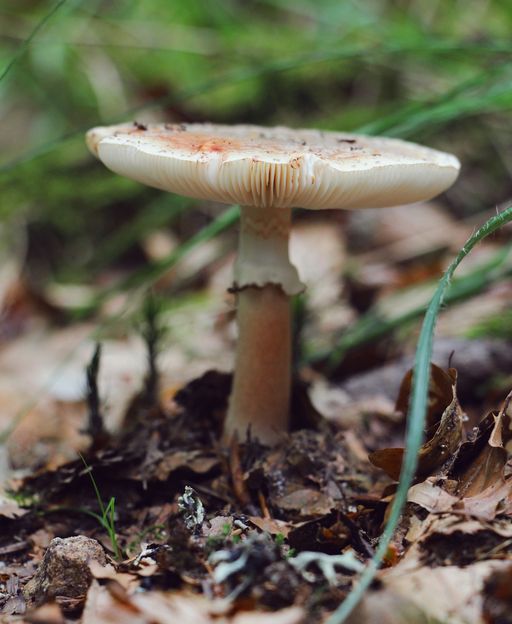
The Season That Changes Everything
The morel arrives in France between March and May. No other wild food creates quite the same excitement.
This honeycomb-shaped mushroom grows in hidden places — beneath old apple trees, along stream banks, at the edge of beech forests after rain. It appears without warning. It vanishes just as fast.
French foragers track the conditions obsessively. A wet week followed by warm days. Soil that finally exhaled after winter. The first wild garlic pushing through the leaf litter. When those signs arrive, the baskets come out.
Miss the window and you wait another year.
The Secret Every French Family Keeps
Foraging knowledge in France moves through families like a private language. Grandparents show grandchildren the exact oak grove or hillside where mushrooms return every spring. Families pass these places down with more care than recipes.
French foragers guard their spots with absolute seriousness. Ask someone where they found their morels and they will smile warmly and tell you absolutely nothing.
This is not unfriendly. It is simply the code of the forest. Everyone who forages understands it.
The relationship between a French family and its secret spot can run across three or four generations. The same trees. The same damp hollow. The same walk taken in hushed voices every April.
The Rules the Forest Teaches
French foraging is not casual. It comes with clear practices that families pass down alongside the knowledge itself.
You take only what you can use. You cut each mushroom cleanly at the stem with a small knife, so the underground fungal network stays intact and fruits again the following year. You carry a wicker basket rather than a plastic bag — the open weave lets spores fall back to the forest floor as you walk.
These are not official regulations. No one enforces them. They are simply what a French forager does. To behave otherwise would feel like a betrayal of everything the tradition stands for.
Autumn brings the most variety — cèpes, girolles, chanterelles, and trumpets of death (despite the name, entirely edible). Spring is morel season. Both feel completely different in character. The autumn forager hunts in abundance. The spring forager waits for one rare thing. The French villages known for their black truffle markets carry the same energy — that particular thrill of finding something extraordinary that the forest does not give easily.
The Pharmacist Nobody Told You About
Here is a French institution that surprises almost every visitor.
Take your foraged mushrooms to any pharmacy in France, and the pharmacist will identify them for you. Free of charge. No appointment needed.
French pharmacists train in mycology — the study of fungi — as part of their professional qualification. They can look at a basket of wild mushrooms and tell you exactly which ones are safe and which ones to discard. They know the difference between a prize cèpe and a deadly Amanita phalloides.
This service keeps the tradition alive and open. You do not need expert knowledge to join in. You just need to visit a pharmacy before you cook.
Enjoying this? 7,000 France lovers get stories like this every week. Subscribe free →
From the Forest Floor to the Table
The best foraged mushrooms in France rarely travel far from where they grew.
Morels go into a hot pan with butter, garlic, and flat parsley. A handful of girolles pair simply with scrambled eggs. Cèpes end up sliced on toast with a little cream and thyme. French foragers cook with the lightest possible touch — because the mushroom is the point, and everything else is just respectful company.
This restraint runs through all of French food culture. The best ingredient needs the least interference. You find this same attitude at the Saturday morning market in any French town — the vendor who says nothing because the tomato speaks for itself.
If you want to experience this side of France, the countryside in April and May puts you in the right place at the right time. The France trip planning guide can help you find the right region and pace your visit around the seasons that matter most.
Somewhere in France this morning, a family is walking a quiet path through oak trees their grandparents walked before them. Their baskets are empty. Their voices are low. They know the spot they are heading for — though they would never point it out on a map.
This is not a tourist experience. It is not something you photograph. It is just a family in a forest, doing what their grandparents taught them, on a spring morning when the light comes through the canopy like something remembered from childhood.
Join 7,000+ France Lovers
Three times a week, get France’s hidden gems, seasonal guides, local stories, and the art of la vie française — straight to your inbox.
Subscribe free — enter your email:
Free forever · Unsubscribe anytime
🇫🇷 You Might Also Love
Tours & experiences you might love


Powered by Viator. Some links are affiliate links — we may earn a small commission at no extra cost to you.

Leave a Reply