
Every year, on 1 November, France stops. Shops close. Motorways fill with cars. Families travel home.
It is La Toussaint — All Saints’ Day — and it is one of the most important days in the French calendar. Not just a bank holiday. A ritual. A homecoming. A quiet act of love for the dead.
Understanding La Toussaint helps you understand France. This one day reveals something deep about how the French relate to family, memory, and time.
What Is La Toussaint?
La Toussaint falls on 1 November each year. It is a public holiday across France. Every school, shop, and most offices close for the day.
The name means “All Saints.” The Catholic Church established it to honour every Christian saint. Over centuries, it blended with a second tradition — La Fête des Morts, or All Souls’ Day, on 2 November.
In France, these two days merge in practice. Families use both to visit cemeteries, clean family tombs, and place fresh flowers. The religious origin matters less now. The human ritual remains very much alive.
La Toussaint is not a day of grief. The French do not weep publicly in cemeteries. It is a day of memory and connection — a moment to acknowledge that the dead are still part of the family.
The Chrysanthemum Tradition
Walk through any French market in October and you will see them. Rows of chrysanthemums in yellow, white, bronze, and purple fill every stall.
In France, chrysanthemums are the flower of Toussaint. They cover every grave. They fill every florist’s window. Supermarkets stack them outside for weeks before 1 November.
The chrysanthemum became the Toussaint flower for two reasons. It blooms naturally in late autumn, just as other flowers fade. And it lasts. A pot of chrysanthemums survives weeks of cold weather on an outdoor grave.
Each year, French households buy millions of chrysanthemum pots for La Toussaint. It is a ritual as fixed as buying a Christmas tree in December.
One important note for visitors: never give chrysanthemums as a gift in France. They are for graves only. Bringing them to a French home would cause real offence. They are beautiful flowers — but their meaning here is unmistakable.
The Family Cemetery Ritual
On La Toussaint morning, French families gather. Many travel hundreds of kilometres to reach their family’s hometown.
At the cemetery, the work begins. Adults pull weeds from around the tomb. Children carry flower pots. Everyone checks that the grave is clean and in good repair.
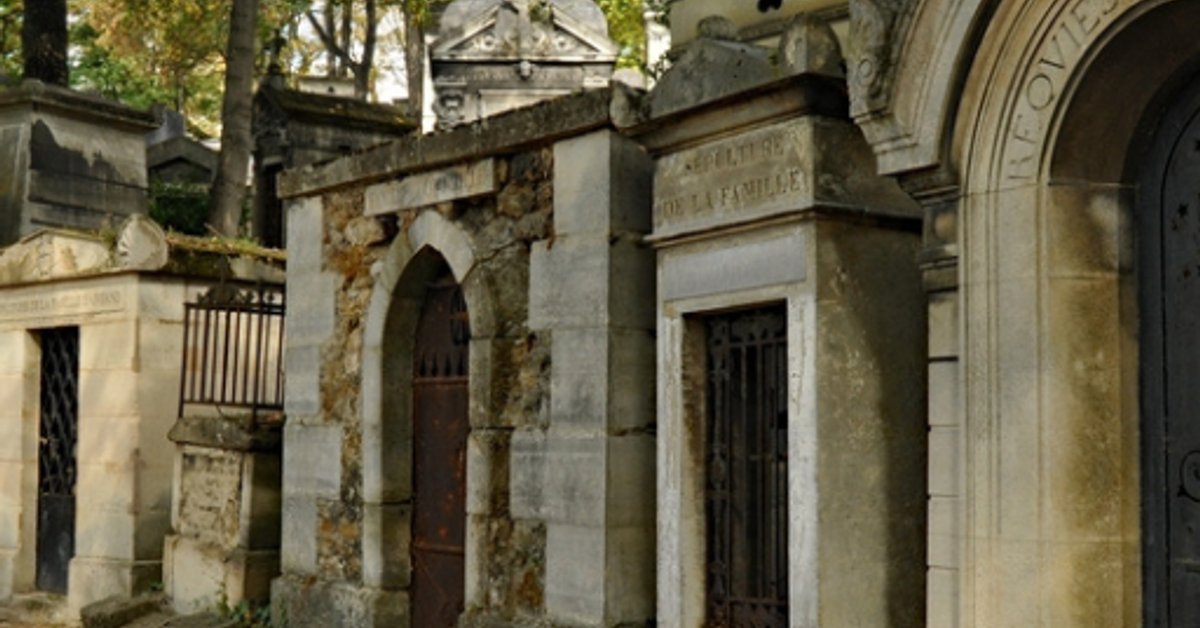
French cemeteries are called villes des morts — cities of the dead. Family plots sit close together. Each grave tells a story. Some carry photographs of the person buried there. Others hold flowers in ornate stone vases that families have tended for generations.
After the cemetery visit, families eat together. Often at a grandparent’s house. Often around a long table. La Toussaint blends quiet reflection with the warmth of family reunion. It is sad and comforting at once.
For visitors to France, this is a day to experience gently. If you pass a cemetery on La Toussaint morning, you may see whole families moving between the graves. It is one of the most quietly moving sights France offers.
🇫🇷 Enjoying this? 7,000 France lovers get stories like this every week. Subscribe free →
A National Holiday Like No Other
Schools in France close for two full weeks around La Toussaint. This break is called the Vacances de la Toussaint. It is one of the longest school holidays in the French year.
Children return to grandparents. Students come home from university. Workers take annual leave. The TGV trains fill up on the last Friday of October. The roads are busy all weekend.
This mass movement is called le grand départ — the big departure. France empties from the cities and fills the regions. A Paris apartment block becomes almost silent. A village in Burgundy fills with returning children.
For visitors, this is worth knowing. Museums, tourist sites, and transport may be busier than usual. But the human dimension of this week is extraordinary. Everywhere, France behaves as a family.
If you are planning a trip to France in late October or early November, build La Toussaint into your itinerary. Do not treat it as an obstacle. It is an experience.
Père Lachaise Cemetery at Toussaint
Paris holds many famous cemeteries. None is more famous than Père Lachaise, in the city’s 20th arrondissement.
On and around La Toussaint, Père Lachaise becomes extraordinary. The cemetery holds over 300,000 tombs. It includes the graves of Édith Piaf, Frédéric Chopin, Oscar Wilde, Marcel Proust, and Jim Morrison.
In late October, the tall chestnut trees shed their leaves. They fall across the stone tombs in waves of amber and gold. The whole cemetery takes on the look of a romantic painting.
Visitors arrive from across France and the world. Many bring flowers. Some bring notes. Others simply walk — and think about memory and the people buried here.
La Toussaint at Père Lachaise is one of the most moving experiences Paris offers. Go in the morning. Bring a map. Walk slowly. Let the place speak.
The great French writer Victor Hugo spent his life thinking about death, exile, and the meaning of French identity. Many of the writers and artists he admired are buried in Paris’s historic cemeteries. A walk through Père Lachaise at Toussaint is a walk through French cultural history.
La Toussaint and the French Diaspora
France exported its people for centuries. Wars, religious persecution, and famine sent French families across the Atlantic. Today, millions of people in Canada, the United States, and Louisiana carry French ancestry.
For French-Canadian families — descendants of settlers from Normandy, Brittany, and the Loire Valley — La Toussaint remained a living tradition. The Church carried it to Quebec. Local priests led cemetery processions well into the 20th century.
In Louisiana, Cajun and Creole communities built their own form of Toussaint. In New Orleans, All Saints’ Day became a day of grave cleaning, candlelight, and family meals in the cemetery. This tradition survives in parts of Louisiana today. The Cajuns of Louisiana kept French rituals alive long after their expulsion from Acadia.
Acadian communities in New Brunswick and Nova Scotia also kept cemetery rituals long after deportation. They carried the memory of French Toussaint across an ocean and held onto it for generations.
If you have French, French-Canadian, Acadian, or Cajun ancestry, La Toussaint connects you to this tradition directly. Your family once stood at graves in France, just as French families stand at graves today. If you want to explore that connection further, our guide on how to trace your French ancestry is a good place to start.
How to Experience La Toussaint as a Visitor
La Toussaint is a wonderful time to see rural France. The summer crowds have gone. The countryside glows with autumn colour. Markets fill with chestnuts, mushrooms, and pumpkins.
If you visit a cemetery, be respectful. Dress quietly. Speak softly. Do not photograph family groups without their permission. French families are private, especially at such moments.
Many village cemeteries are beautiful and rarely visited by tourists. A small communal cemetery in Normandy or Burgundy, covered in chrysanthemums on 1 November, tells you more about France than any museum ever could.
If you are tracing French ancestry, La Toussaint is a meaningful time to visit your family’s region. The local mairie (town hall) holds civil records. The village church holds baptismal registers. The cemetery may contain the graves of your direct ancestors.
Visit them. Place flowers. Take a moment. That is what French families do.
Frequently Asked Questions About La Toussaint in France
When is La Toussaint in France?
La Toussaint falls on 1 November every year. It is a public holiday across France. Schools also close for a two-week Toussaint holiday around this date.
What do the French do on La Toussaint?
Most French families visit cemeteries to clean family tombs and lay chrysanthemums on the graves. Many travel to their family’s home region. It is a day of quiet memory and family reunion.
Why do the French use chrysanthemums for La Toussaint?
Chrysanthemums bloom naturally in autumn and survive cold weather for several weeks. They became the official flower of La Toussaint over many decades. Never give chrysanthemums as a gift in France — they are reserved for graves and carry a clear meaning of mourning.
Is La Toussaint the same as Halloween?
No. La Toussaint is All Saints’ Day on 1 November. Halloween on 31 October is an Anglo-American tradition. Halloween has grown in popularity in French cities in recent years, but La Toussaint remains a separate and much older French tradition.
Can tourists visit French cemeteries on La Toussaint?
Yes. French cemeteries are open to the public. At Toussaint, famous cemeteries such as Père Lachaise in Paris are particularly moving to visit. Always be respectful of families who are present to remember their loved ones.
You Might Also Enjoy
- The French Vendange: Why the Grape Harvest Is France’s Greatest Annual Ritual
- How to Trace Your French Ancestry: A Step-by-Step Guide
- Victor Hugo: The Exiled Giant Who Defined French Identity
Plan Your France Trip
Ready to experience La Toussaint or explore France in autumn? Our complete France planning guide covers the best times to visit, how to get around, and what every first-time visitor should know.
Join 7,000+ France Lovers
Every week, get France’s hidden gems, seasonal guides, local stories, and the art of la vie française — straight to your inbox.
Subscribe free — enter your email:
Love more? Join 64,000 Ireland lovers → · Join 43,000 Scotland lovers → · Join 30,000 Italy lovers →
Free forever · One email per week · Unsubscribe anytime
Tours & experiences you might love


Powered by Viator. Some links are affiliate links — we may earn a small commission at no extra cost to you.

Leave a Reply